1764

Author
Meat.Milk
Share on


Published on
2026 October 06
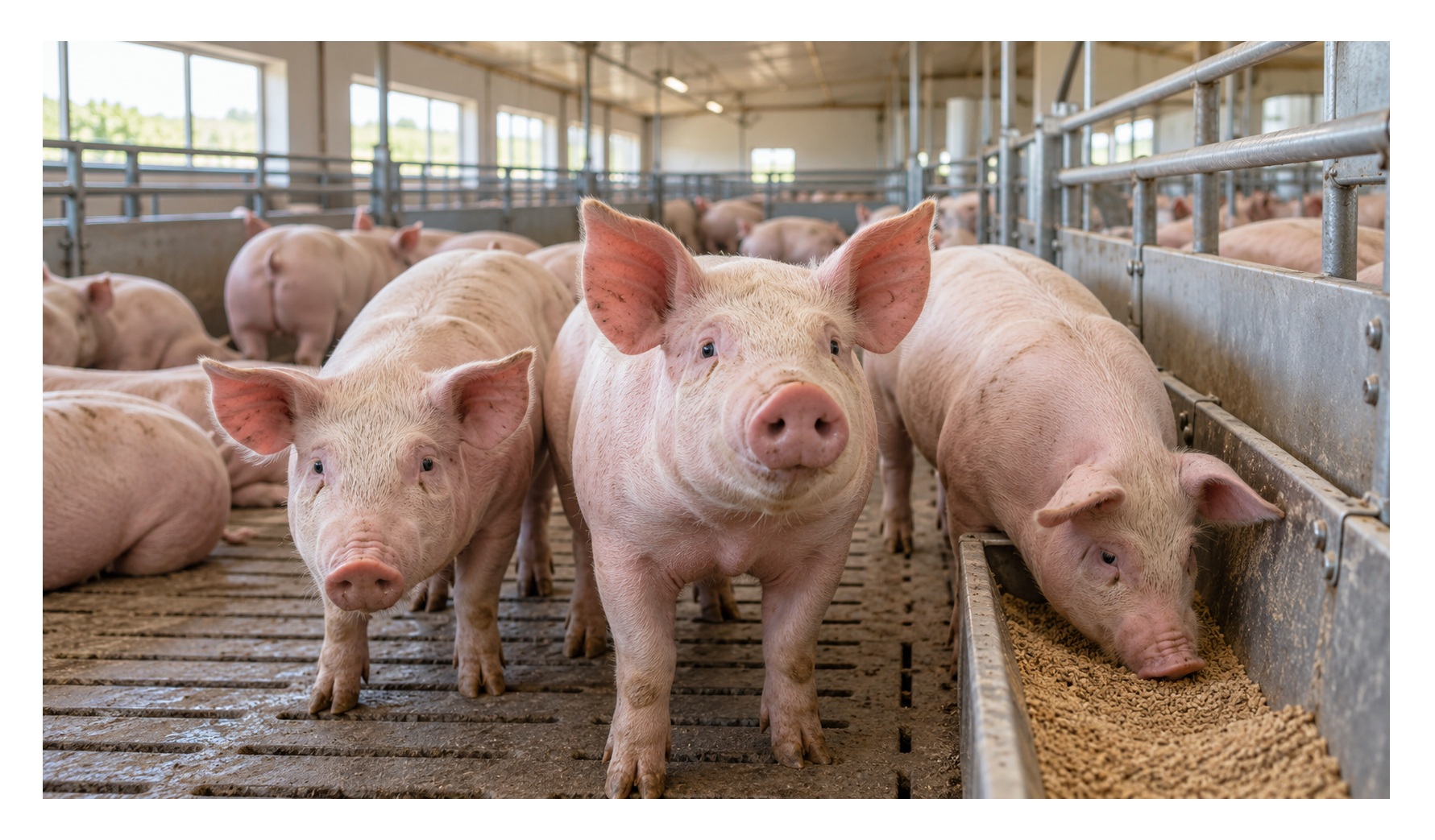
Romanian pork production increased in the first half of 2026, but the recovery in output does not necessarily mean that profitability is improving. The PORC INFO No. 59 summary, published in September by the Romanian Pork Producers Association (APCPR), points to a rebuilding of production capacity, driven primarily by commercial farms. Feed and energy costs, imports and animal health risks continue to weigh on the sector.
According to the document, total production reached 214.8 thousand tonnes in live weight, up 2% on the first half of 2025. Deliveries to authorised facilities increased by 6.3%, a development the association links to the growing importance of commercial production. The reported quantity is expressed in live weight and should not be confused with production measured in carcass weight.
Commercial farms drive the recovery
As of 1 May 2026, total pig numbers, including both the commercial sector and private households, were 11.6% higher than on the same date in 2025. The breeding herd increased by 18.9%. However, analysis of the 2018–2026 series shows that total pig numbers remain below the 2018 level.
The differences between farm categories are significant. As of 30 June 2026, commercial companies and associations held 2.084 million pigs, compared with 1.776 million in 2025. Pig numbers on family farms continued to decline, according to the summary. The sector’s recovery is therefore uneven.
Imports account for 49.4% of consumption
In the first half of 2026, imports accounted for 49.4% of domestic pork consumption, according to APCPR. This share is lower than in 2023–2025, but meat sourced from other countries continues to play a major role in supplying the Romanian market.
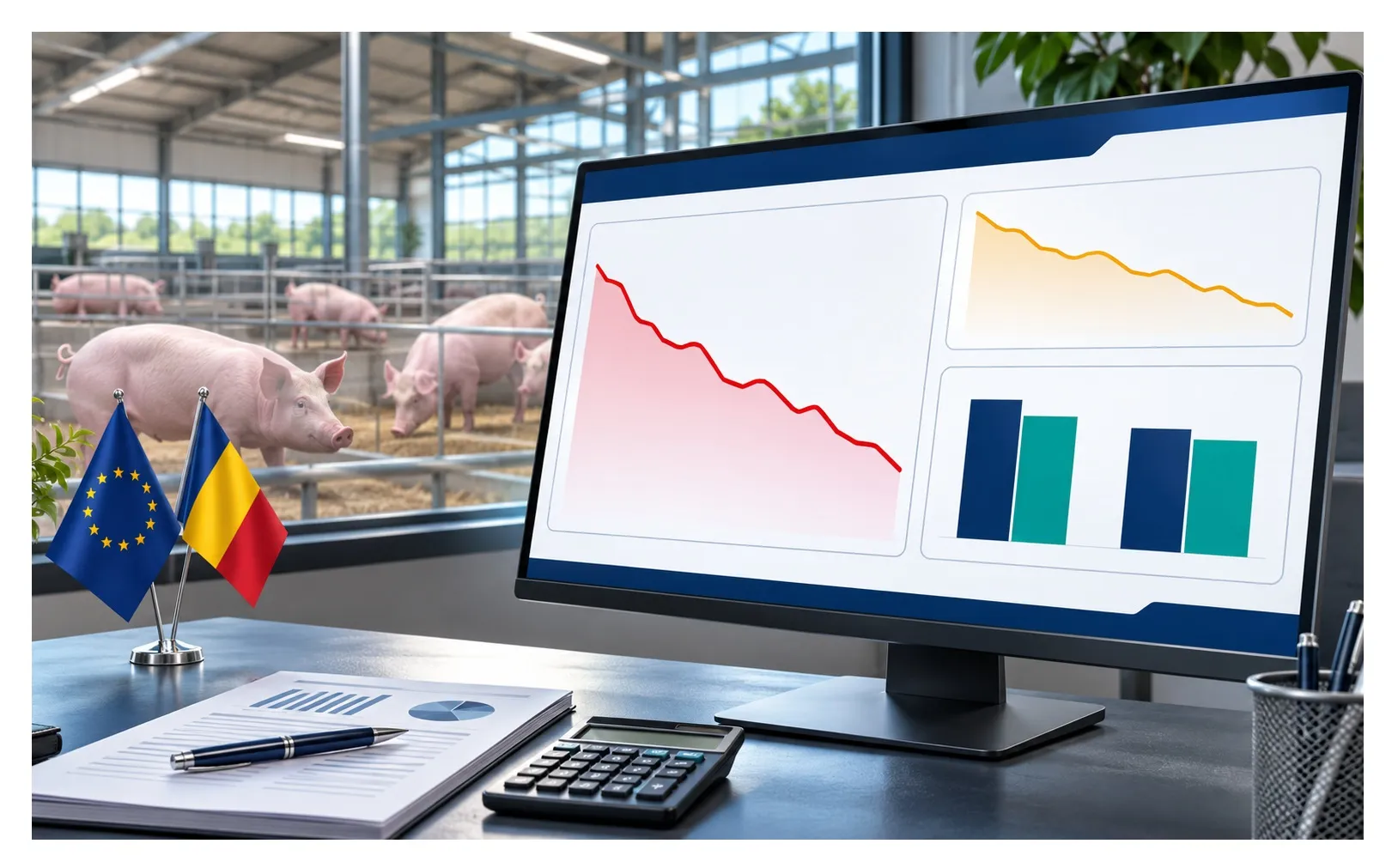
The association notes that increased production does not automatically translate into better financial results. High feed and energy costs continue to constrain profitability, while substantial imports and developments in the European market maintain commercial pressure on farms.
In week 38 of 2026, the average pig carcass price in the European Union stood at €166.17 per 100 kg, 15.5% below the level recorded in the same period a year earlier. The piglet price was €43.65 per head, down 26.9% compared with 2025, according to the document.
Biosecurity remains a priority
African swine fever continues to be one of the main risks facing the sector. The summary highlights the importance of traceability, controls on animal movements and biosecurity measures, particularly during the autumn.
Looking ahead, APCPR also highlights the need to improve market access, increase transparency in price formation and make use of European support instruments. The document’s conclusion remains cautious: domestic production is showing positive growth, but the data do not yet support a conclusion that the recovery is firmly established. Turning this growth into sustainable economic performance remains the central challenge for Romanian farms.
Did you learn something new from this article?
Read also: