1008

Author
Meat.Milk
Share on


Published on
2026 January 22
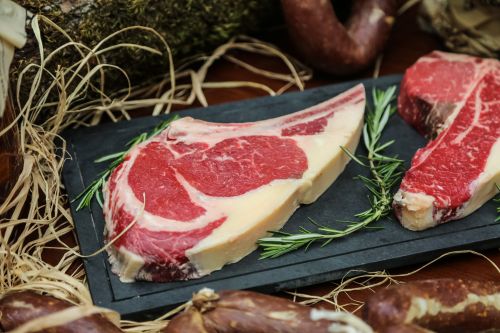
In 2024–2025, beef remains a marginal segment in Romania from a volumetric perspective, but one under high economic pressure at every link of the chain. The problem is not a lack of demand, but the structure of production, which generates high costs and a limited supply for industrial processing.
The mechanism is both zootechnical and economic. Most cattle are raised in mixed or extensive systems, with long production cycles and low yields. This model limits the availability of animals for slaughter and increases the cost per kilogram of meat. For processors, the lack of consistent volumes makes standardization and the amortization of fixed costs difficult.
Data published by Eurostat show that Romania is below the EU average in beef production per capita, while herds dedicated exclusively to meat production are limited. According to FAO, the cost of beef production is the highest among the main livestock species, due to the length of the growth cycle and the high consumption of resources.
The implication for the industry is clear: beef remains a niche market, with limited potential for large-scale industrial processing and a focus on differentiated products or occasional exports.
(Photo: Freepik)
Did you learn something new from this article?
Read also: