710

Author
Meat.Milk
Share on


Published on
2026 March 25

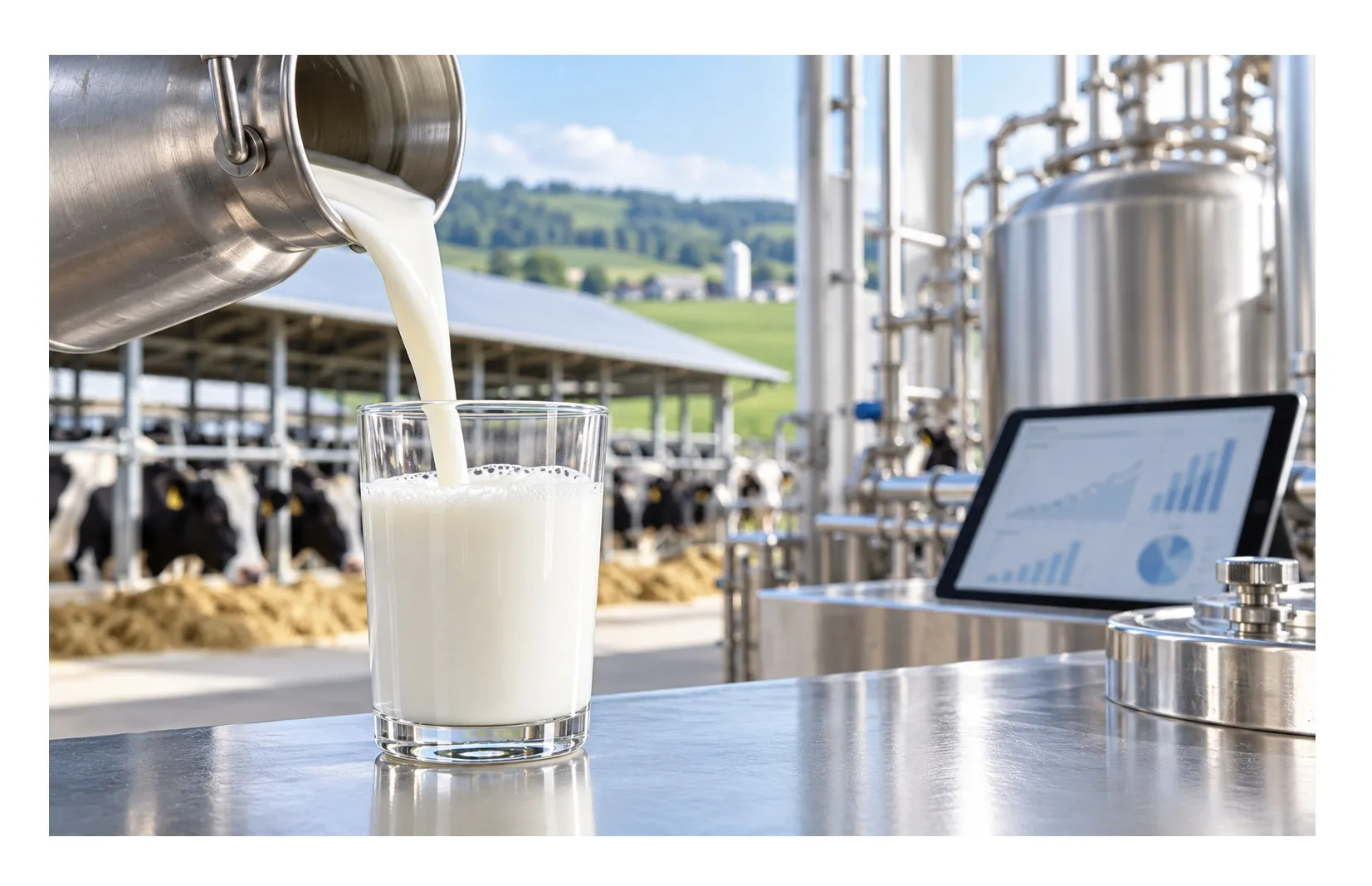
Recent signals from the dairy sector indicate increasing pressure on European farmers, driven by volatility in raw milk prices and imbalances between supply and demand. In this context, the European Commission’s positioning suggests an approach oriented toward market mechanisms, with limited direct intervention. This strategy is consistent with the reform of the Common Agricultural Policy (CAP), which over the past decade has reduced traditional intervention tools such as public storage or guaranteed minimum prices.
The milk market in the European Union is characterized by a high degree of integration and exposure to international trade. The abolition of milk quotas in 2015 led to production increases in competitive member states, but also to recurring episodes of overproduction. In such situations, the Commission has preferred indirect instruments: temporary aid for private storage, coupled support, or targeted interventions through the CAP crisis reserve, while avoiding structural measures to limit production.
The current approach indicates that adjustment will occur through economic mechanisms: falling prices lead to reduced production in less efficient farms, while integrated and competitive operators consolidate their position. This logic favors sector consolidation, but raises challenges in regions dominated by small and medium-sized farms, where production costs are higher and market access is limited.
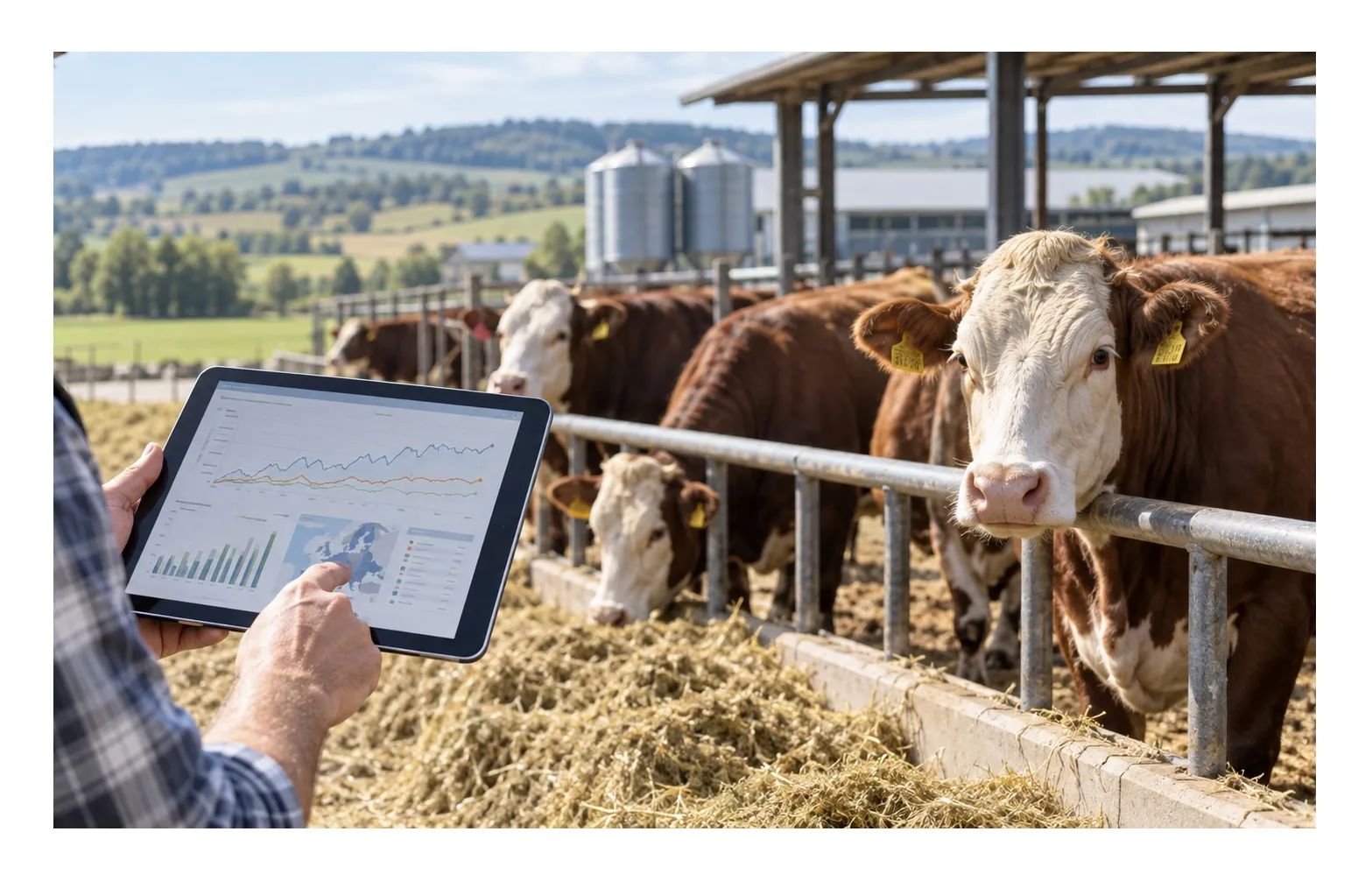
In Romania, the impact is amplified by the structural fragmentation of the sector. Most dairy cattle farms are small in size, and integration into the processing chain remains limited. In the absence of effective national support mechanisms or producer organization, the volatility of the European market is transmitted directly into farmers’ incomes. Historical data show significant gaps between farm-gate prices and retail prices, indicating an uneven distribution of value along the supply chain.
Public policy direction thus becomes strategic: a focus on producer organization, investment in local processing, and more stable contractual relationships with retail. In the absence of such adjustments, relying exclusively on market forces to correct imbalances risks accelerating the exit of small farms and increasing dependence on imports, even in countries with strong agricultural potential.
(Photo: Freepik)
Did you learn something new from this article?
Read also: