1072

Author
Meat.Milk
Share on


Published on
2026 March 02

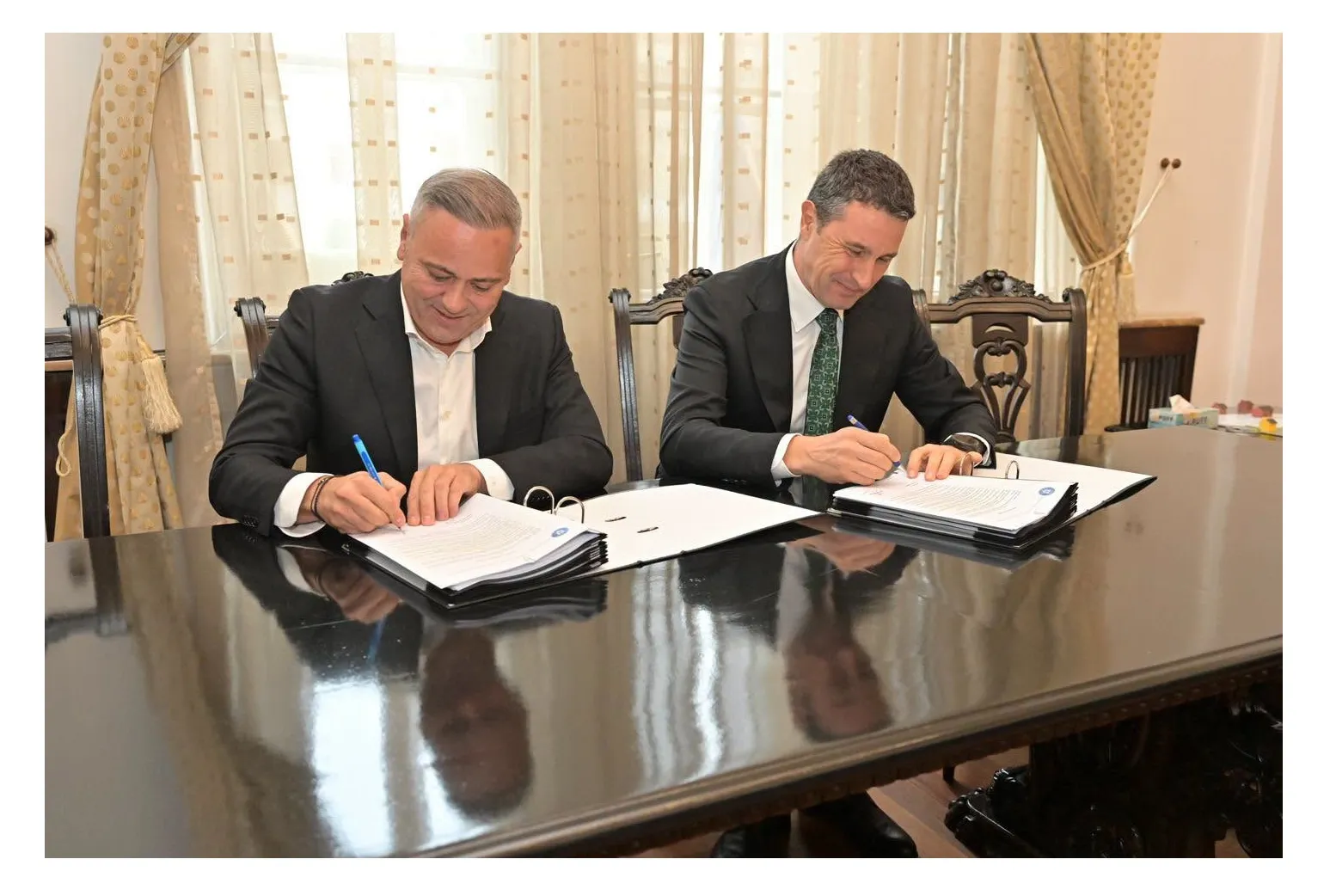
In 2026, medium-term contracts between farmers, slaughterhouses, processors, and retailers are becoming a central risk management instrument in a market that experienced pronounced volatility during the 2021–2023 period. The relative stabilization of quotations does not eliminate the structural uncertainty related to costs and demand.
Data published by the European Commission for the meat market show that, following the 2022 price peaks, pork and beef quotations entered a phase of adjustment and stabilization in 2024–2025. At the same time, feed and energy costs remain above the averages recorded in 2015–2019, according to Eurostat data. This combination creates an environment in which predictability becomes a priority.
The economic mechanism of medium-term contracts is clear: pricing formulas indexed to European quotations or input costs reduce volatility and enable cash flow planning. In Member States with a high level of farm-to-processing integration, forward contracting covers a significant share of volumes, reducing exposure to the spot market.
In Romania, the fragmentation of production and dependence on imports, particularly in the pork sector, limit the bargaining power of farmers and processors. Contracts can provide stability, but they may also cap margins during periods of rapid market price increases.
In 2026, the choice is not between risk and absolute safety, but between full volatility and a moderate yet predictable margin. A medium-term contract does not eliminate risk; it distributes it along the chain.
The structural implication is evident: in a sector characterized by low margins and high fixed costs, predictability of animal flows and pricing becomes more valuable than speculative opportunity. For Romania’s meat industry, smart contracting is part of the architecture of economic sustainability in 2026.
(Photo: Freepik)
Did you learn something new from this article?
Read also: