846

Author
Meat.Milk
Share on


Published on
2026 April 02

In the period leading up to the Easter holidays, the National Sanitary Veterinary and Food Safety Authority (ANSVSA) carried out extensive nationwide inspections targeting units across the entire agri-food chain. The actions aimed to verify product compliance and marketing conditions, in a context characterized by increased consumption of food products of animal origin.
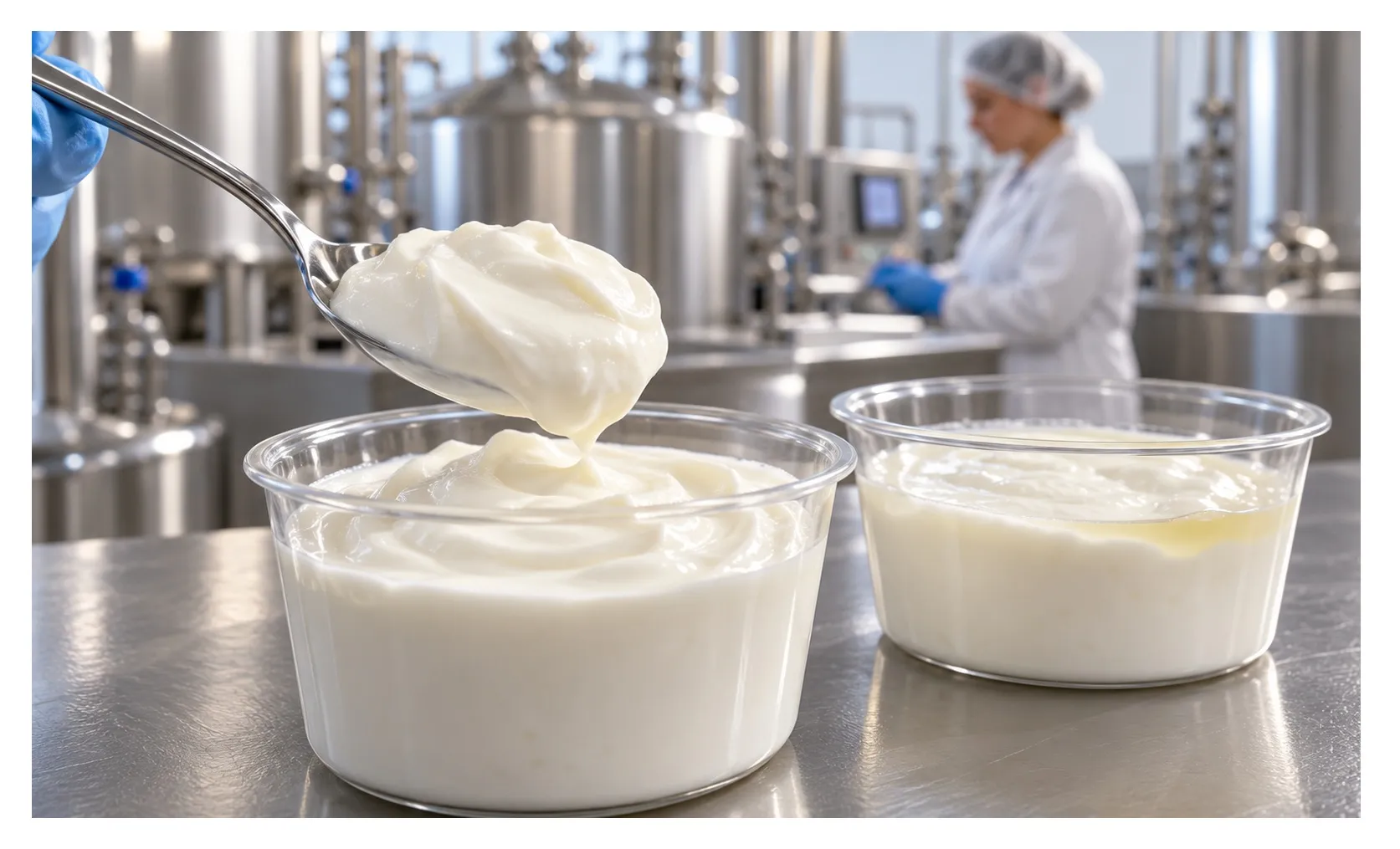
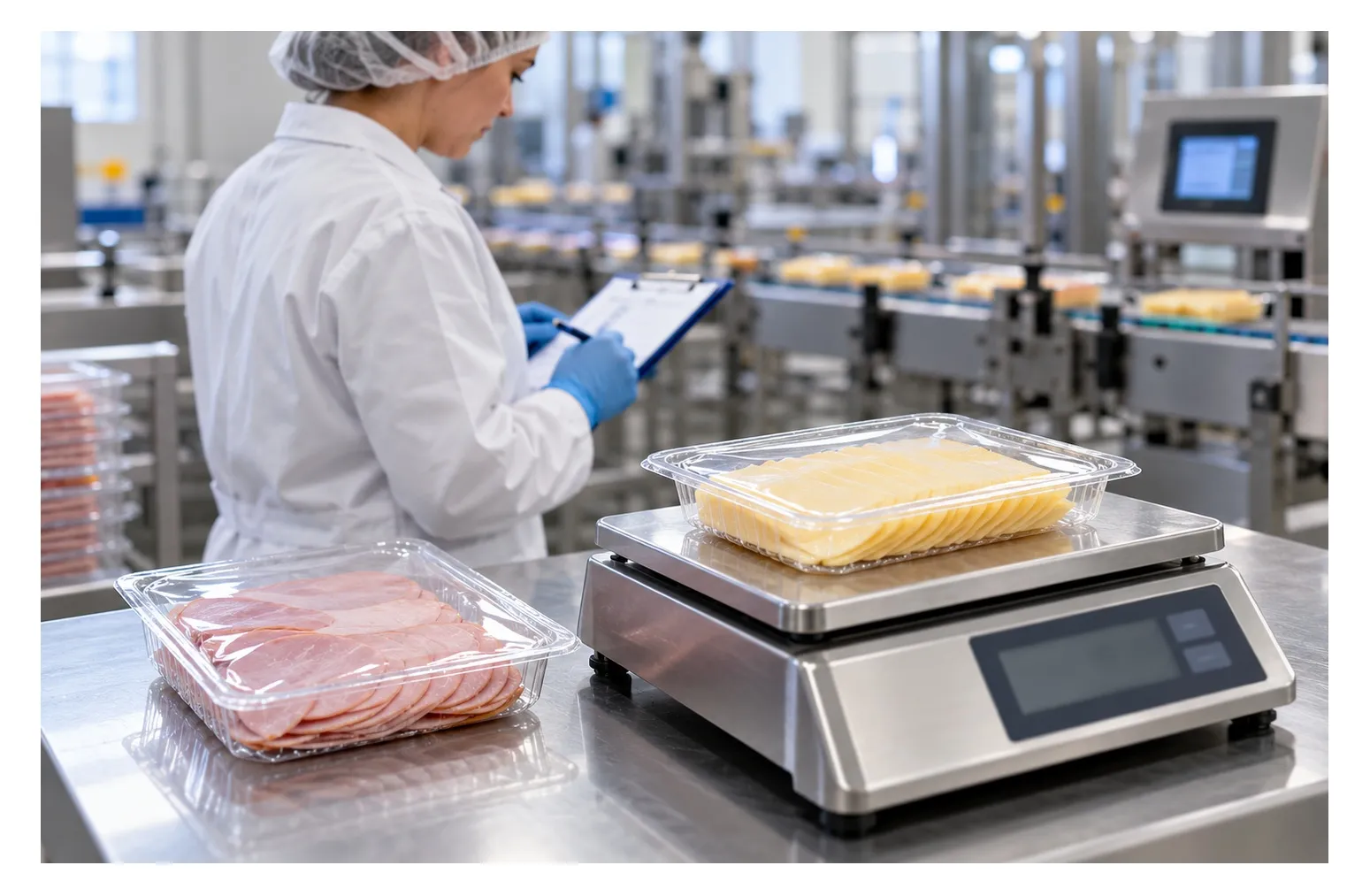
According to the reported data, the total value of the sanctions imposed reached approximately 14 million lei. Following the inspections, significant quantities of food products were withdrawn from sale, particularly meat, meat products, eggs, and dairy. The main non-compliances identified included improper storage, disruption of the cold chain, incomplete or incorrect labeling, as well as the sale of products without clear traceability or with expired shelf life.
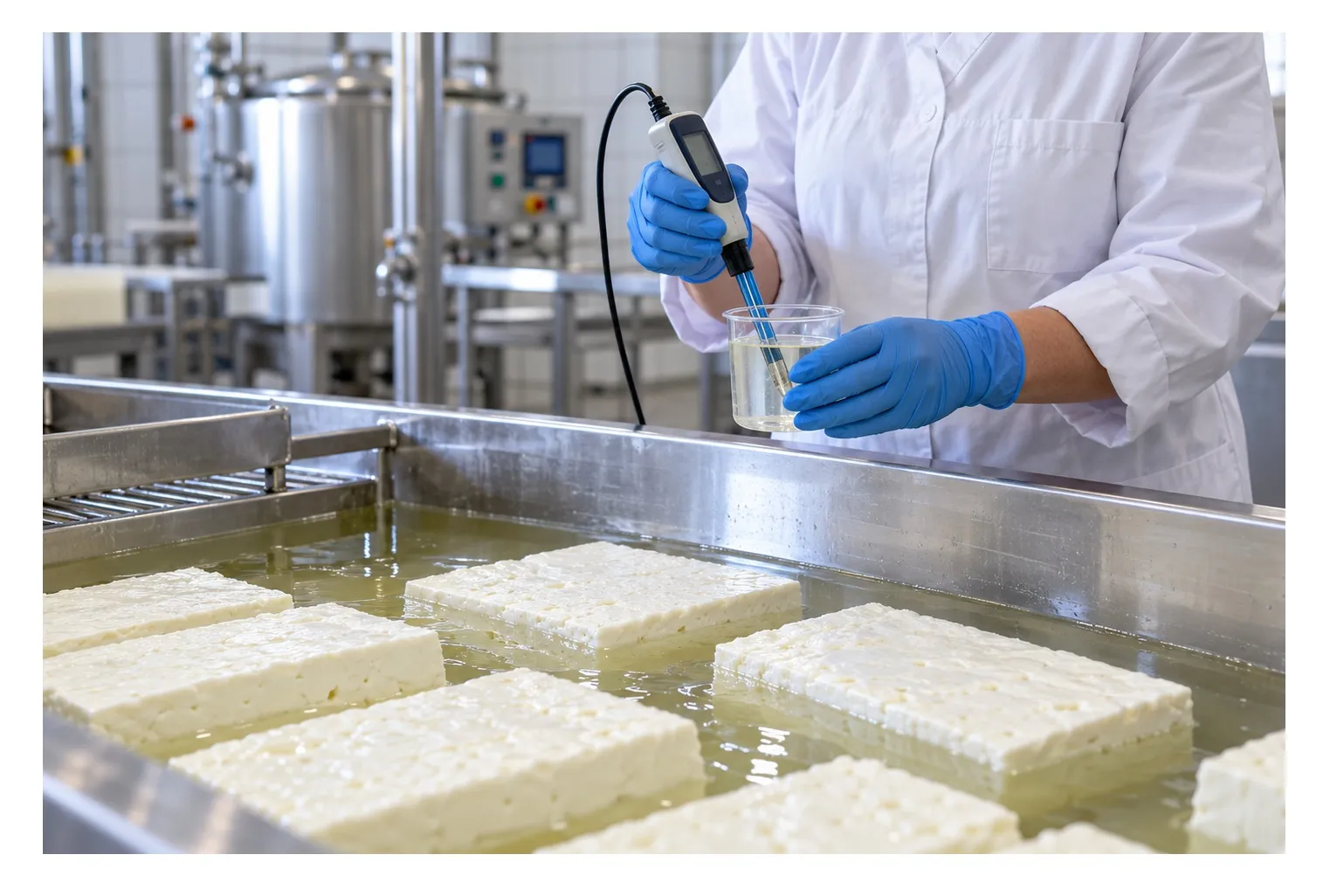
The inspections were conducted in slaughterhouses, processing units, warehouses, agri-food markets, and retail spaces. In some cases, authorities ordered the temporary suspension of operators’ activities, in addition to the administrative penalties applied. Non-compliant products were officially seized and directed for disposal, in accordance with veterinary sanitary procedures.
These actions follow a recurring annual pattern specific to periods of high food consumption, when risks associated with product safety increase. From an operational perspective, the results indicate both an intensification of inspections and the persistence of dysfunctions in compliance with hygiene and traceability standards, particularly in segments under high seasonal pressure.
For the industry, these inspections highlight the need to strengthen internal self-control systems and to invest in storage and transport infrastructure. At the same time, for authorities, the data suggests maintaining consistent pressure on compliance, especially during commercially critical periods.
(Photo: Freepik)
Did you learn something new from this article?
Read also: