798

Author
Meat.Milk
Share on


Published on
2026 April 03

The purchasing decision appears, at first glance, to be individual. In reality, it is the result of a framework constructed before the consumer even enters the store. The shelf does not merely display the offer; it organizes it into a structure that filters options and directs behavior.
In modern retail, the structure of space is defined by operational indicators: rotation, margin, purchase frequency, and price elasticity. Products are not placed randomly, but according to their probability of conversion. Eye-level placement, end caps, and promotional zones concentrate the most profitable or strategic items. Under these conditions, visibility becomes equivalent to market access.
Data from consumer behavior analysis indicate that over 70% of decisions are made at the point of sale, while the average time spent in front of a shelf is only a few seconds. Within this limited interval, the consumer does not conduct an exhaustive comparison, but reacts to visual stimuli and price cues. The choice is not the result of a complete evaluation, but of a preconfigured selection.
Private labels amplify this mechanism. Through control over specifications, positioning, and pricing, the retailer can direct consumption toward products that optimize margin and supply stability. In certain categories within the European Union, their share exceeds 35–40%, with a clear trend toward expansion into higher value-added segments.
For producers, the consequence is structural. Product quality remains a necessary, but no longer sufficient, condition. Without access to relevant shelf positions and without the capacity to support their presence logistically and commercially, products become invisible. Negotiation no longer concerns price alone, but also space, promotional frequency, and integration into the retailer’s overall strategy.
In Romania, where modern retail concentrates the majority of urban sales, this dynamic is reshaping competition. Producers are no longer competing solely with one another, but for access to a limited space organized according to strict commercial criteria. In this context, differentiation must be supported by operational consistency and delivery capacity.
For 2026, the market will be shaped less by the diversity of supply and more by the architecture through which it is presented. The shelf does not reflect preferences; it structures them. The choice remains with the consumer, but the options are defined in advance.
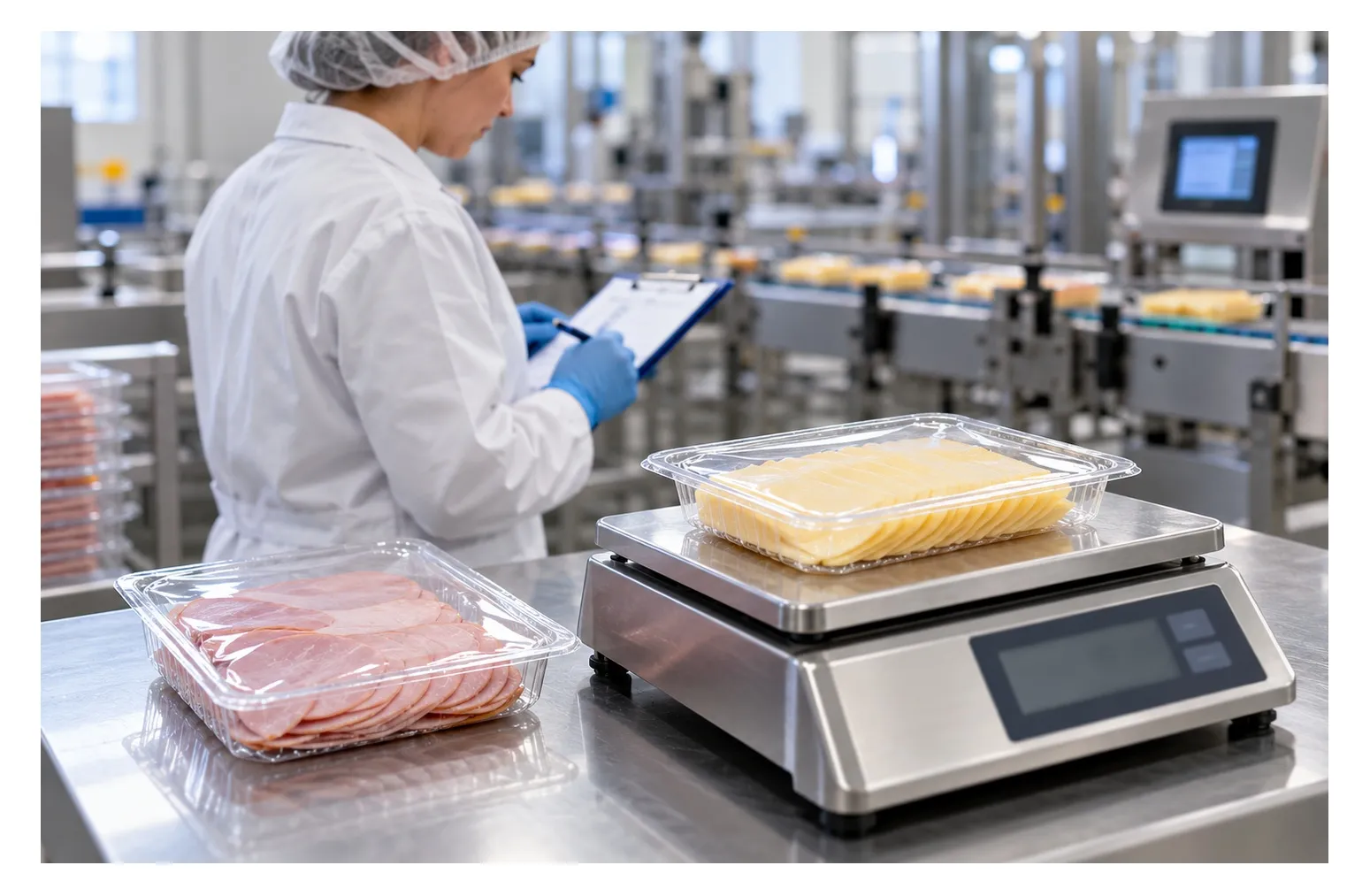
(Photo: Freepik)
Did you learn something new from this article?
Read also: