977

Author
Meat.Milk
Share on


Published on
2026 February 16
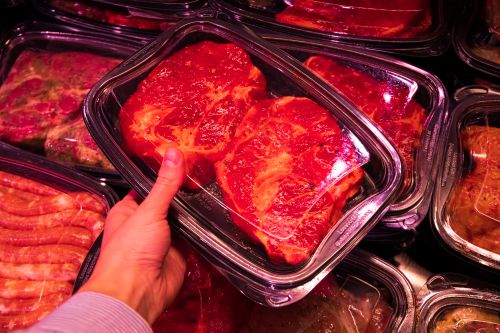
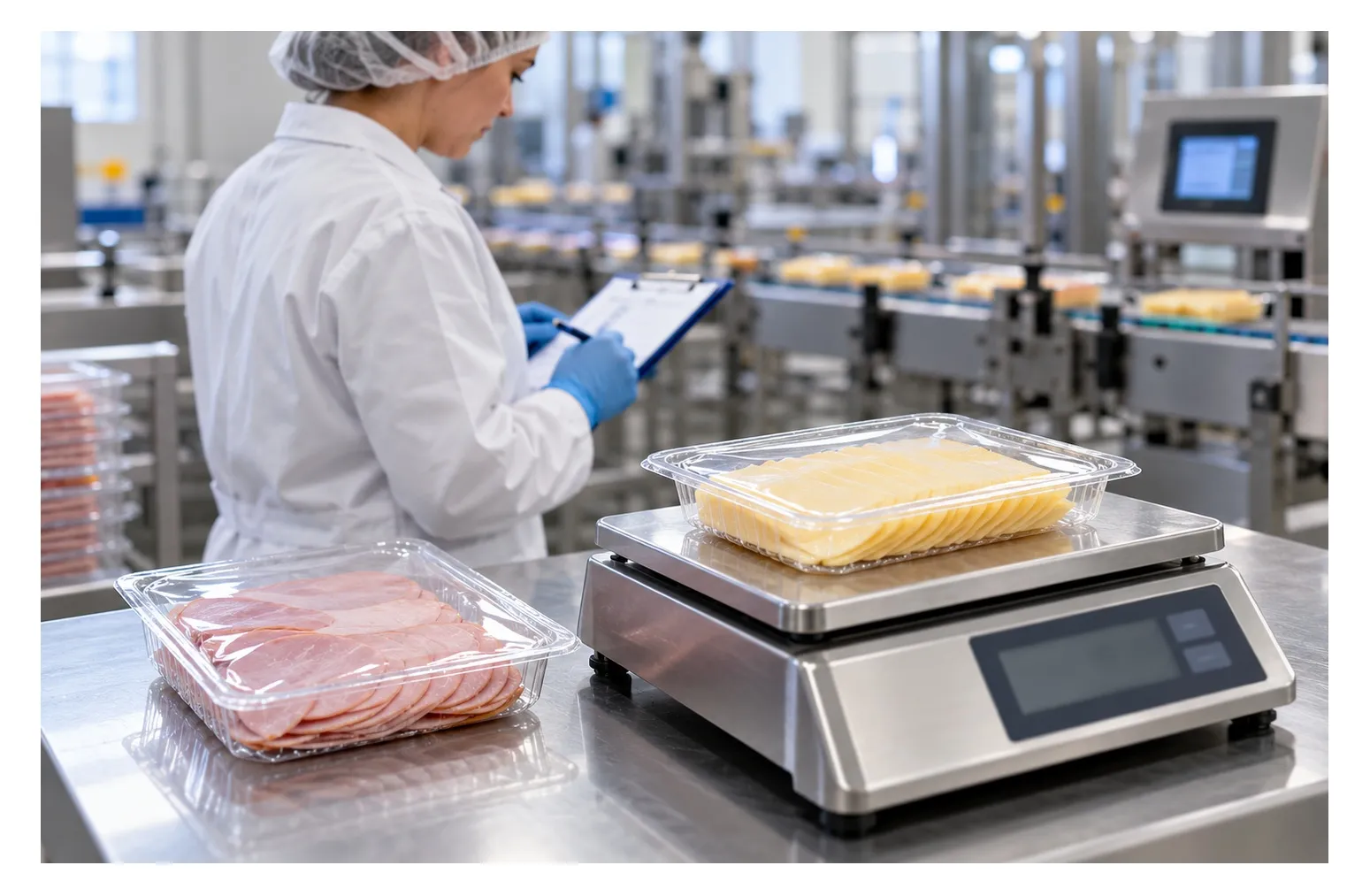
In 2026, meat imports are no longer just a tool for balancing the market, but a structural element of domestic supply. Especially in pork and beef, dependence on external flows directly influences prices and the stability of the industry.
The mechanism is both commercial and productive. In the absence of sufficient domestic volumes, processors rely on imports to keep production capacities active. This solution ensures operational continuity, but introduces price volatility and exposure to regional and global developments.
Eurostat data indicate that Romania remains a net importer of pork, with a significant trade deficit in recent years. According to FAO, countries with an insufficient livestock base are the most exposed to regional price fluctuations and trade shocks. For 2026, European scenarios point to the continuation of intense trade flows, with no rapid return to self-sufficiency.
The implication is structural: without rebuilding livestock numbers and integrating the farm-to-processing chain, imports remain a permanent cost for Romania’s meat industry.
(Photo: Freepik)
Did you learn something new from this article?
Read also: