538

Author
Meat.Milk
Share on


Published on
2026 October 29
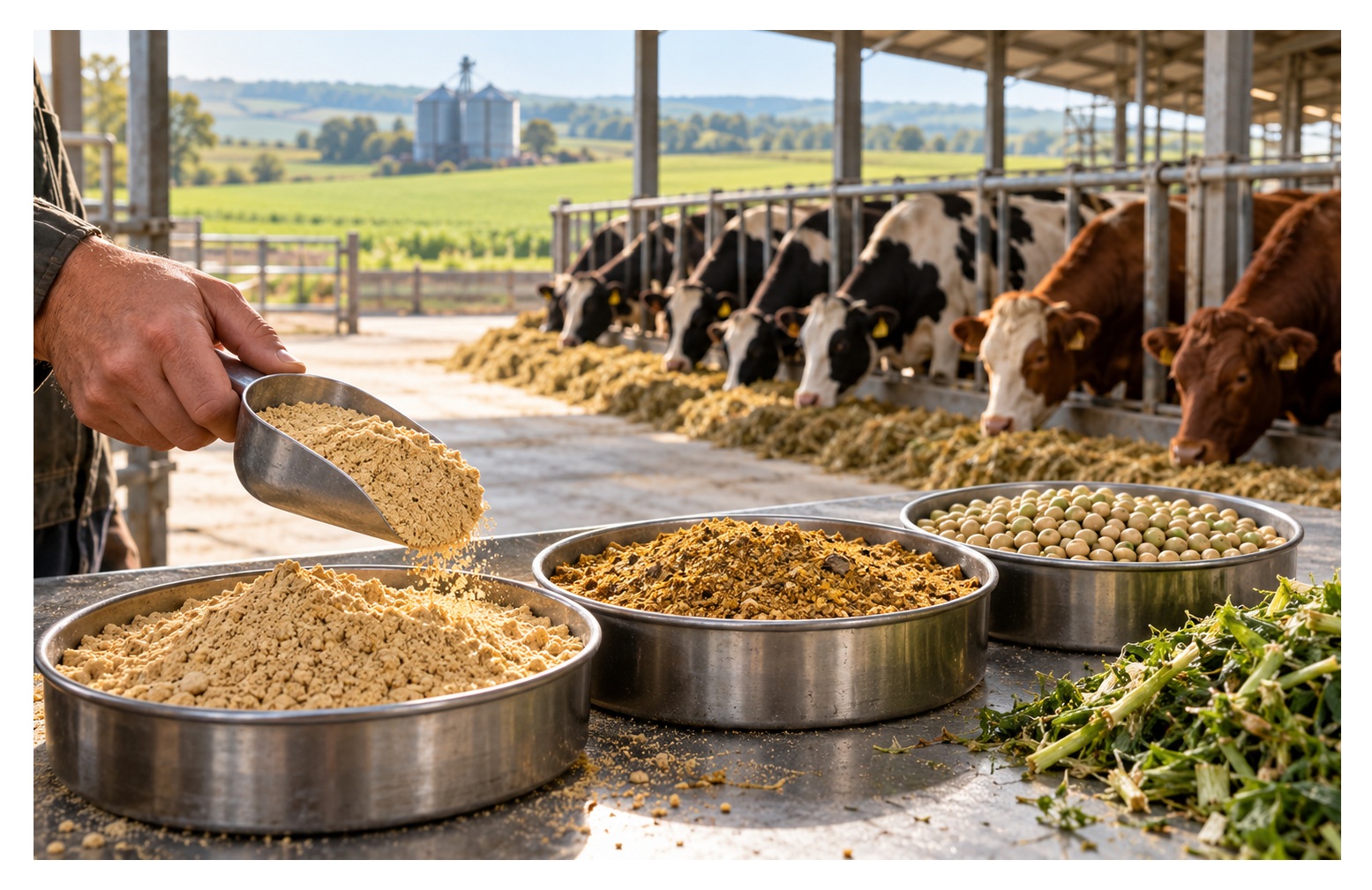
Part of the competitiveness of meat and dairy production is determined before the raw material reaches the processor: through farms’ feed supplies. The proposal to create a distinct European sector for protein and oilseed crops brings the availability of essential animal feed ingredients into focus.
On 19 October 2026, the Council of the EU approved a partial negotiating position on revising the common organisation of agricultural markets. It provides for the creation of a separate sector for protein and oilseed crops, replacing the current dried fodder sector. Member States would be encouraged to recognise producer organisations in the new sector for the purposes of sectoral interventions.
The stated objective is to increase European production and reduce dependence on imports. This is not yet a definitively adopted reform, nor an announcement of a new direct subsidy for all livestock farms.
The dependency that matters in animal feed rations
According to the European Commission, the EU livestock sector uses approximately 74 million tonnes of protein for feed annually. This figure is expressed in crude protein, not the total weight of feed.
The situation differs between sources: the EU is self-sufficient in low-protein feed but heavily dependent on imports for high-protein feed. The Commission puts import dependency for soya protein at 94%. This proportion should not be confused with the import dependency of the entire feed sector.
What this means for meat and dairy producers
For farms, diversifying sources may broaden procurement options. However, the economic benefits depend on consistent availability, price and suitability for the animals’ nutritional requirements.
An analysis published by the Commission in 2024, based on an external study, shows that the choice of protein sources is influenced primarily by competitiveness, but also by contracts, supply chains and production system requirements. Alternatives must remain accessible over the long term and meet nutritional needs. For ruminants, the approaches examined in the study include increasing the contribution of grass protein to the ration.
Dairy farms, beef cattle farms and pig or poultry enterprises therefore cannot automatically apply the same substitution strategy.
Why processors should also follow this issue
From an economic perspective, stable feed supplies to farms are relevant to the continuity of milk production and the supply of animals for slaughter. For processors, the discussion therefore also concerns the outlook for the suppliers on whom their industrial capacity depends.
More protein produced in Europe does not guarantee cheaper feed or lower retail prices. The objective is to develop competitive alternatives and more resilient supply relationships.
For Romania’s meat and dairy sector, the practical question is whether the future framework will support effective links between crop growers, feed manufacturers and livestock farmers. That is where its value to the industry will become apparent.
(Photo: AI GENERATED)
Did you learn something new from this article?
Read also: