674

Author
Meat.Milk
Share on


Published on
2026 May 14
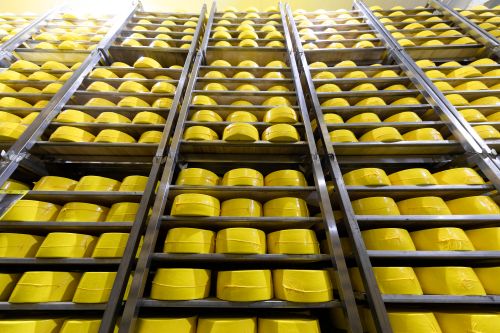
The food industry is going through a difficult period of convergence in 2026: rising costs, more cautious consumers, and a strategic realignment both in Romania and across Europe.
Rising prices, razor-thin margins Food prices have increased by approximately 10% compared to the same period last year, with further increases possible amid rising energy, gas, and fuel costs, according to Romalimenta. The situation is further aggravated by historically low profit margins of 4–5%: energy accounts for roughly 20% of production costs in many facilities, while cost increases are rapidly transmitted throughout the entire food chain, from production to distribution.
Automation and labor shortages The food industry was among the most active sectors in recruitment during the first quarter of 2026. The paradox is that the sector is simultaneously facing a labor shortage of approximately 10%, while the identified solution is accelerated automation and robotization — productivity is becoming the decisive factor for remaining competitive.
The Romanian consumer: cautious, yet selective Romania ranks first in Central and Eastern Europe in terms of consumers’ intention to save money on food shopping, according to the McKinsey & EuroCommerce report “The State of Grocery Retail 2026.” However, the picture is more nuanced: Romanians remain among the consumers most willing to pay for premium and fresh products. The decisive criterion is becoming “value-first,” not strictly “price-first” — consistent quality, correct portion sizes, and transparency.
European and global context At the European level, grocery sales increased by 3.4% in 2025, merger and acquisition activity in the sector rose by 47% compared to 2022, and ready-to-eat food continues to gain ground rapidly. On the global stage, the industry is being simultaneously shaped by economic, technological, and social factors — from the impact of artificial intelligence to behavioral changes generated by new weight-control medications.
Potential blocked by lack of investment With 200,000 employees and a turnover exceeding 30 billion euros, the food industry remains a pillar of the Romanian economy — but without investments in modernization, the logistical advantages provided by Schengen and infrastructure cannot be fully leveraged on external markets.
Photo: Magnific
Did you learn something new from this article?
Read also: