895

Author
Meat.Milk
Share on


Published on
2026 January 27
The Ministry of Agriculture is preparing a structural shift in the way Romanian farmers will be supported in the next agricultural policy cycle, with a strong focus on integrating crop production into livestock farming and on strengthening the processing chain. According to Minister Florin Barbu, support programmes for the 2028–2034 period will make the granting of coupled support conditional on the existence of such integration, marking a clear break from the current model based on strict specialization.
The minister noted that farms focused exclusively on crop production are expected to become increasingly economically vulnerable over the next decade, amid price volatility and mounting cost pressures. From the Ministry of Agriculture’s perspective, value addition through livestock production represents the key solution for stabilising farmers’ incomes and for the efficient use of cereals and feed crops. In this context, public support is set to prioritise integrated farms capable of converting crop output into products with higher economic value.
This strategy is directly linked to the development of agri-food processing capacities, another major objective of agricultural policy in recent years. According to the minister’s statements, processing facilities currently under construction or in advanced stages of financing are expected to become operational within the next three years. Authorities are placing strong emphasis on the use of domestic raw materials, aiming to reduce exports of unprocessed products and to increase value added within the rural economy.
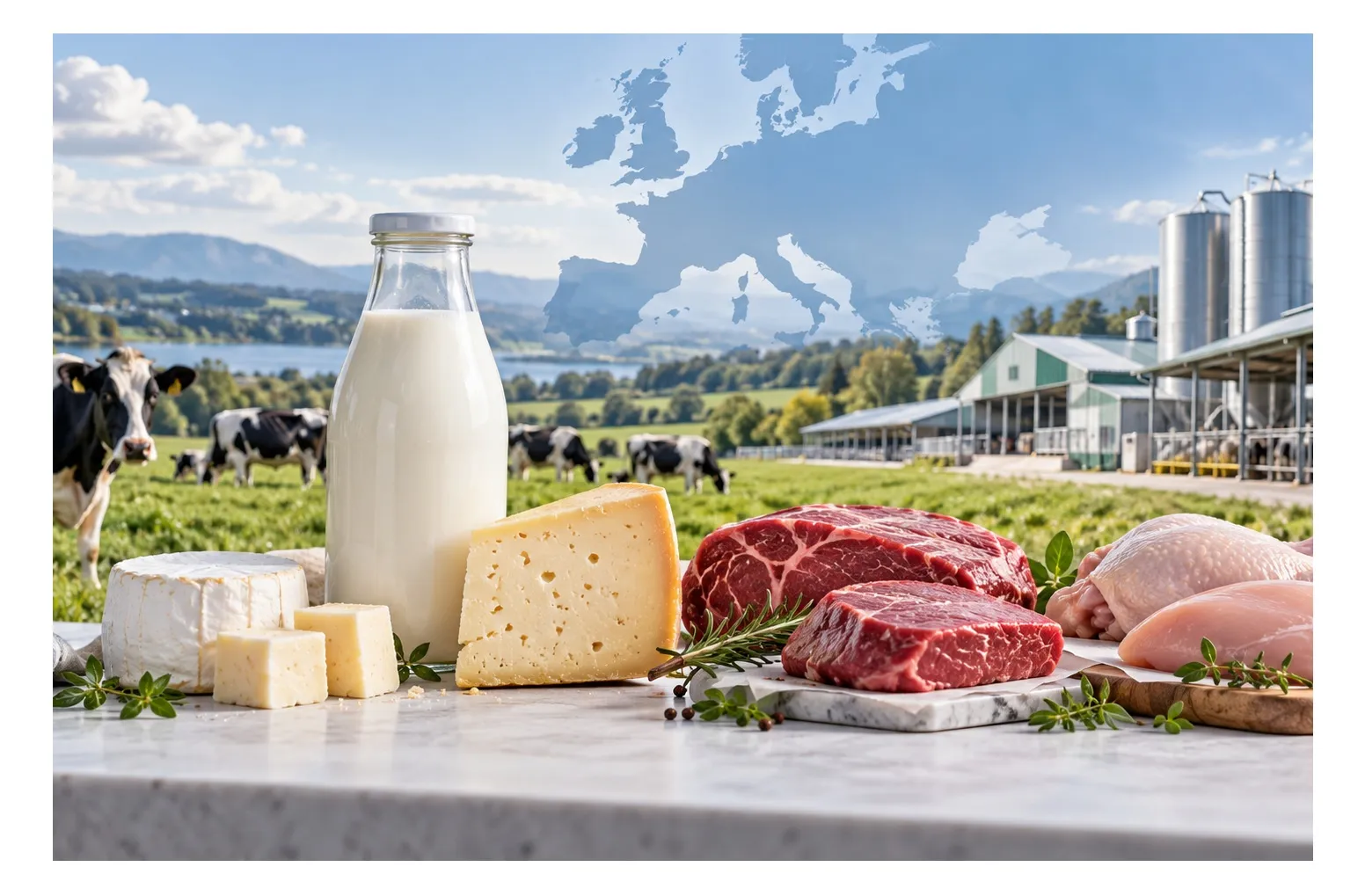
The integration of crop production with livestock farming is presented as a key element in ensuring steady raw material flows to these processing units, with the broader objective of closing the production–processing–consumption chain within the national economy. In the Ministry of Agriculture’s view, this approach could position Romania as a major player in agri-food processing in South-Eastern Europe.
The announced direction signals a profound reconfiguration of the publicly supported farm model, oriented toward integrated, economically resilient operations directly connected to the processing industry. For farmers specialised strictly in crop production, the coming years will be decisive in terms of adaptation, investment, and the redefinition of their agricultural business structure.
Did you learn something new from this article?
Read also: