814

Author
Meat.Milk
Share on


Published on
2026 March 18
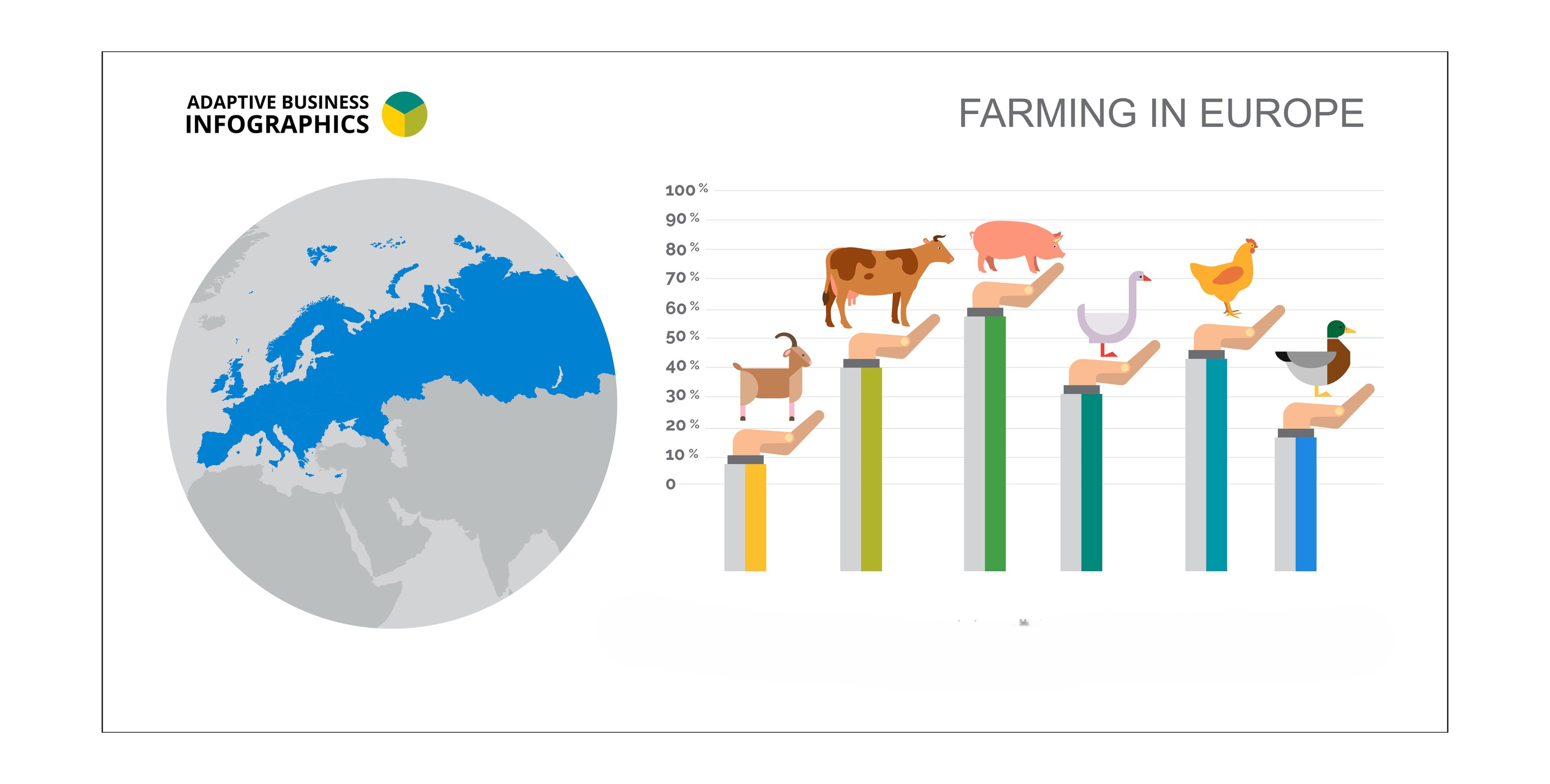
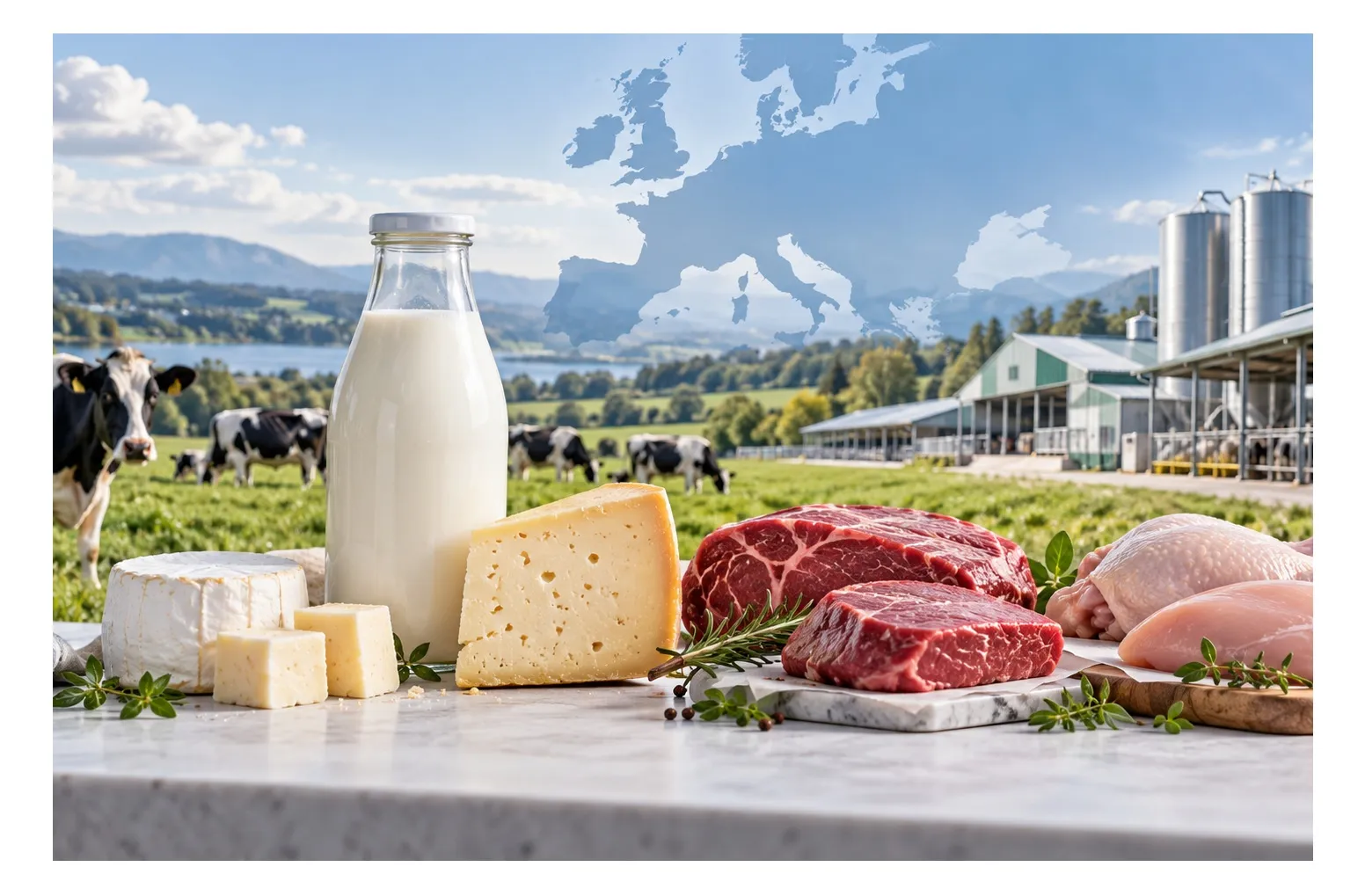
The increase in meat prices across Europe has intensified in recent years, driven by a reduction in livestock populations, high energy and feed costs, and structural changes in the livestock sector. In several European countries, prices for certain categories of meat have risen by more than 20% compared to the 2021–2022 period, while market volatility remains high in 2025–2026.
In recent years, the European meat market has been influenced by multiple factors simultaneously. Feed costs have increased significantly, particularly following the volatility in agricultural markets during 2022–2023. In intensive livestock farms, feed can account for over 60% of total production costs, meaning that any fluctuation in cereals or plant-based proteins is quickly reflected in the final cost of meat.
At the same time, the European livestock sector has experienced a decline in animal populations across several Member States. In the pork sector, one of the most important for European consumption, herd sizes have decreased in several major producing countries. The causes include cost pressures, increasingly strict environmental requirements, and the impact of diseases such as African swine fever.
Poultry meat continues to be one of the most economically efficient sources of animal protein, and European production has grown moderately in recent years. However, even in this segment, high feed, energy, and transport costs have influenced market prices.
For Romania, developments in the European market have a direct impact on domestic prices. The meat processing sector relies to a certain extent on imports of live animals or raw materials, and price fluctuations across Europe are quickly transmitted along the supply chain.
In the medium term, the European livestock sector is undergoing a restructuring process. The reduction in animal populations, cost pressures, and environmental requirements limit the sector’s ability to rapidly increase production. At the same time, demand for animal protein remains relatively stable, maintaining upward pressure on prices.
Under these conditions, the evolution of meat prices in Europe will depend on agricultural cost dynamics, investments in farm efficiency, and the sector’s capacity to maintain sufficient production levels to balance market demand.
(Photo: Freepik)
Did you learn something new from this article?
Read also: