848

Author
Meat.Milk
Share on


Published on
2026 March 13
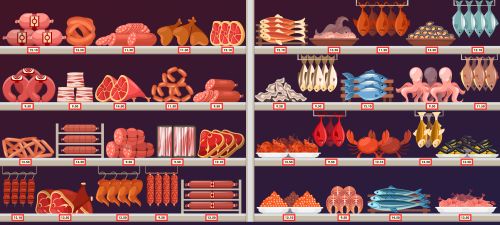
Over the past two decades, food distribution in Europe has become increasingly concentrated around large retail chains. Supermarkets and hypermarkets have become the main channels through which food products reach consumers, transforming retail into a central actor within the food supply chain.
In many European countries, modern retail accounts for more than 70% of food sales, while in some Western markets this share exceeds 80%. This concentration gives retailers significant bargaining power in relation to suppliers from the food industry.
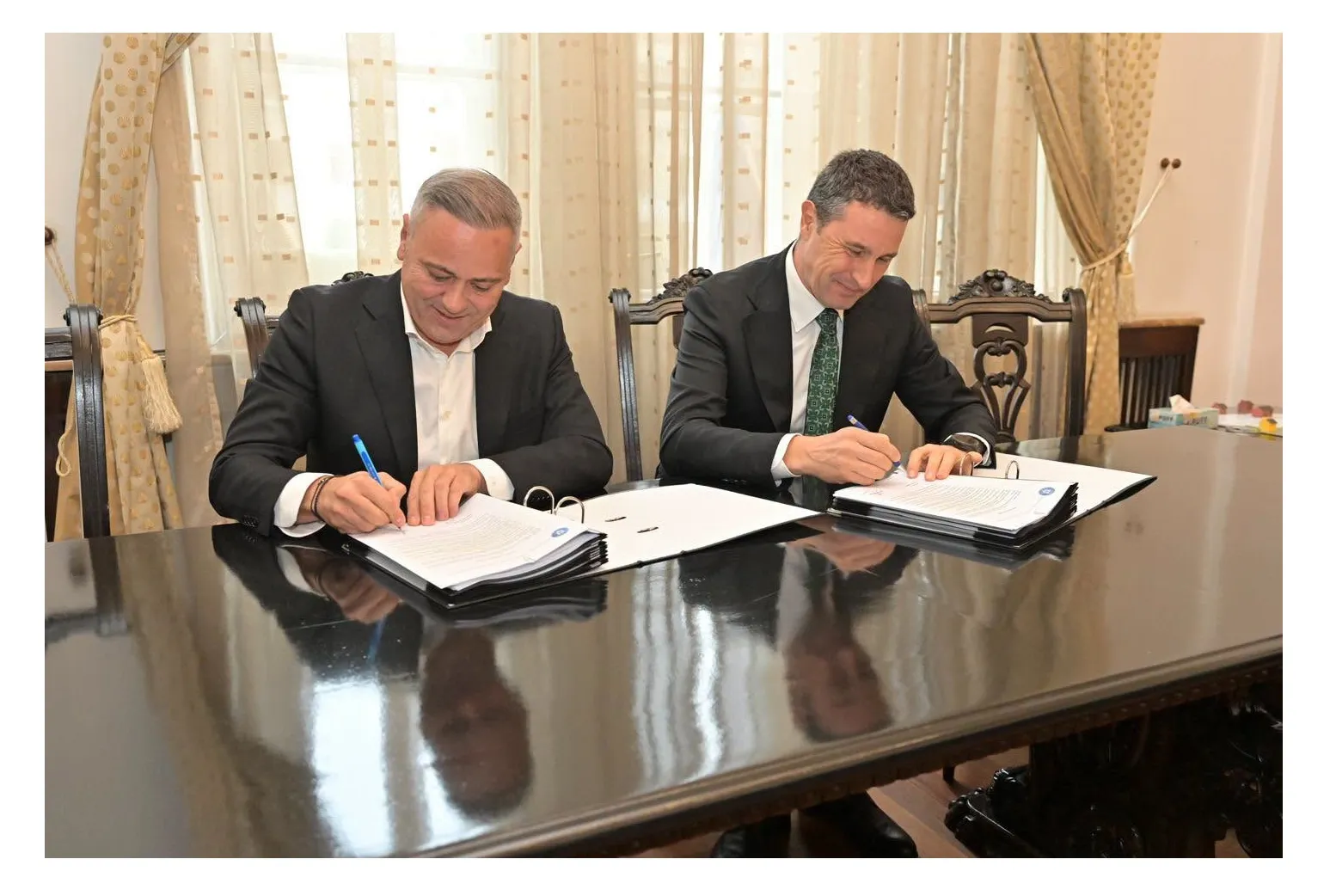
For processors, access to retail networks means stability and large sales volumes, but also constant pressure on commercial margins. Commercial contracts frequently include conditions regarding prices, delivered volumes, quality standards, and payment terms.
This economic relationship is regulated at the European level through the Directive on Unfair Trading Practices (EU) 2019/633, which aims to limit imbalances between suppliers and buyers within the food supply chain.
For the food industry, competitiveness depends not only on production capacity, but also on the efficiency of the commercial relationship with retailers. Operators capable of ensuring stable volumes, traceability, and efficient logistics strengthen their position within these networks.
In 2026, the European food chain is defined by this economic balance: agricultural production provides the raw materials, the food industry creates added value, and retail controls access to the market.
(Photo: Freepik)
Did you learn something new from this article?
Read also: