748

Author
Meat.Milk
Share on


Published on
2026 April 20
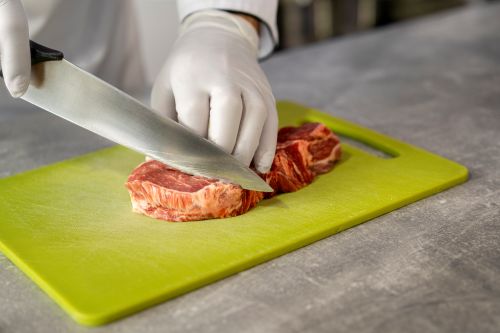
In the meat industry, efficiency is not determined exclusively by installed capacity, but by time control at every stage of processing. The interval between slaughter and entry into the technological flow directly influences yield, quality and the final cost of the product.
Operational data from the industry show that delays of just a few hours can generate additional technological losses of 1–2% through dehydration or deterioration in muscle quality. At industrial level, these variations become economically significant, affecting margins per batch and production stability.
Uncoordinated flows between animal intake, slaughter and cutting generate downtime and process overlap. In slaughterhouses with a low degree of integration, these dysfunctions can increase operating costs by 5–10% through inefficient use of equipment and labor.
At the same time, time variations also affect product uniformity. Post-slaughter physiological processes are sensitive to temperature and duration, and lack of control leads to variations in texture and yield.
High-performing units operate based on synchronized flows, where each stage is correlated with the next. Integration with supplying farms allows delivery scheduling and reduction of bottlenecks, optimizing the use of capacities.
For 2026, time is becoming an economic indicator. The difference between efficiency and loss is measured in hours, and control of operational flow will define competitiveness in the meat industry.
(Photo: Freepik)
Did you learn something new from this article?
Read also: