859

Author
Meat.Milk
Share on


Published on
2026 March 11
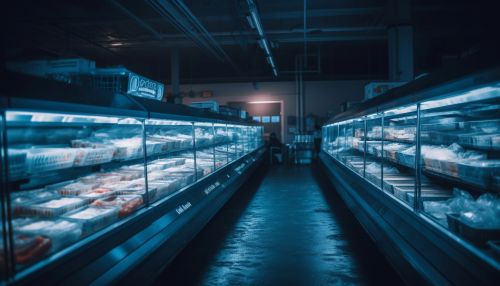
In the modern food industry, product safety and quality do not depend solely on processing or on the standards applied within production facilities. An essential component of this system is refrigerated transport—the infrastructure that enables the maintenance of controlled temperatures between the farm, processing facility, warehouse, and point of sale. In the absence of a stable cold chain, perishable products such as meat, dairy, or fish would deteriorate rapidly, and microbiological risks would increase significantly.
Data published by the Food and Agriculture Organization of the United Nations (FAO) shows that approximately 14% of food produced globally is lost before reaching consumers, a significant share of these losses being associated with logistical deficiencies and disruptions in the cold chain. In the case of products of animal origin, temperature control is decisive for maintaining food safety. For example, fresh meat must generally be transported at temperatures close to 0–4°C, refrigerated dairy products at approximately 2–6°C, and frozen products at around −18°C.
At the European level, the transport of perishable foods is regulated through the ATP Agreement (Agreement on the International Carriage of Perishable Foodstuffs), which establishes technical requirements for refrigerated vehicles, refrigeration systems, and temperature monitoring. According to data from the European Commission, the temperature-controlled logistics sector in the European Union exceeds €70 billion annually, including the transport and storage of food and pharmaceutical products. The development of this segment is directly correlated with the growth of food trade and the expansion of distribution networks.
In Romania, the modernization of the food industry and the expansion of modern retail have generated a significant increase in demand for refrigerated transport. According to data from the National Institute of Statistics, the transport and storage sector generated a turnover of over RON 120 billion in 2023, a relevant share of which is associated with food logistics and the distribution of perishable products. At the same time, the Romanian food industry exceeds RON 70 billion in annual turnover, implying a constant flow of products that must be transported under strict temperature conditions.
The importance of refrigerated transport becomes even more evident in the context of extended supply chains. Food products frequently travel distances of hundreds or even thousands of kilometers between farms, processing facilities, logistics centers, and retail outlets. Within this logistics ecosystem, each stage must maintain temperature integrity in order to prevent product deterioration and comply with European sanitary standards.
In the long term, the role of cold chain infrastructure will continue to grow. The expansion of food trade, increasingly strict traceability requirements, and the digitalization of logistics are transforming refrigerated transport into a strategic element of food security. Beyond its technical role, this invisible link in the food chain contributes directly to reducing food losses, maintaining product quality, and strengthening consumer confidence in the products that reach the market.
(Photo: Freepik)
Did you learn something new from this article?
Read also: