301

Author
Meat.Milk
Share on


Published on
2026 November 05
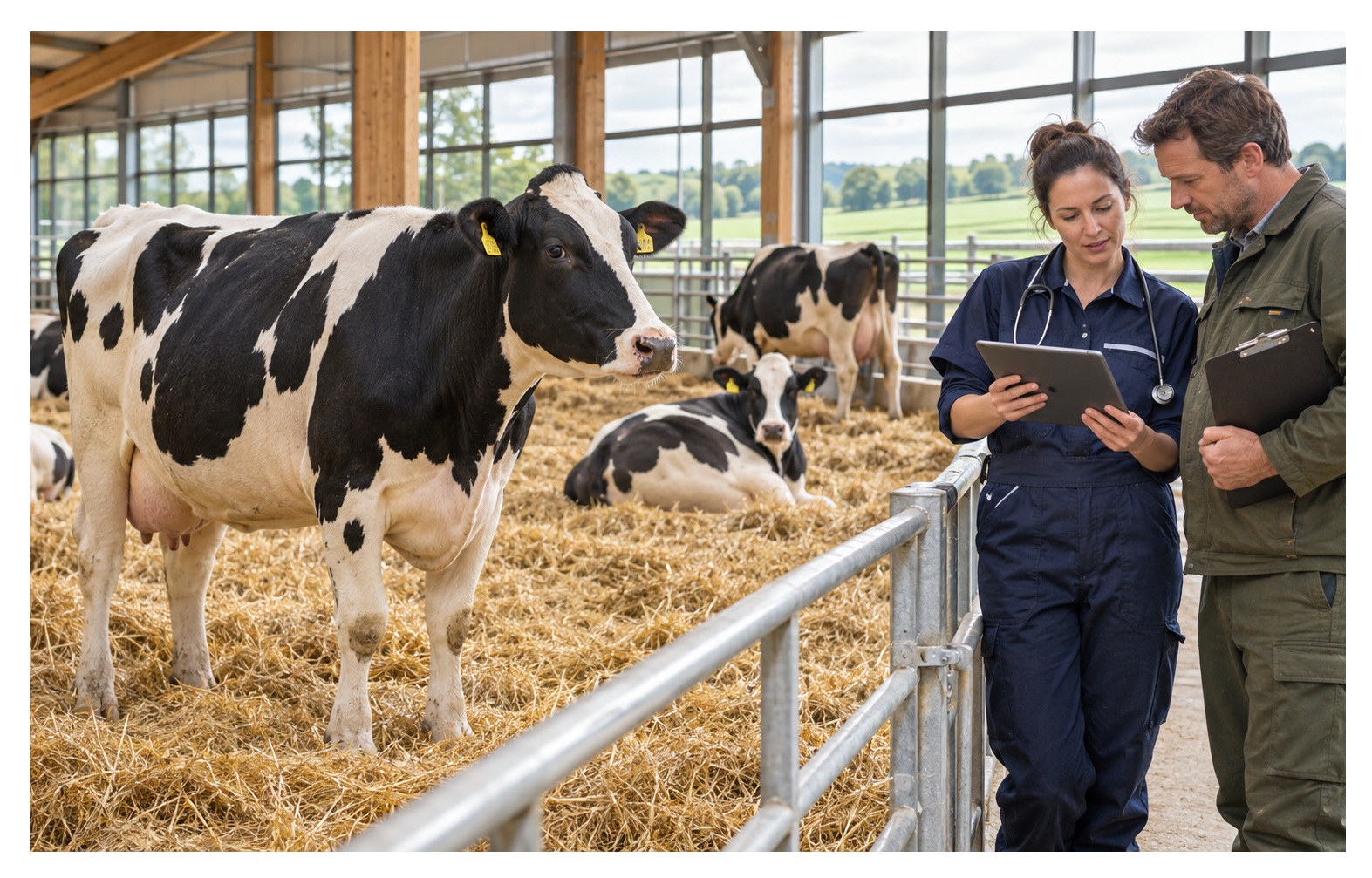
The final milking ends a lactation, but not the responsibility for udder health. Drying off cows is a management stage that connects the results of the season just completed with preparations for the next. The quality of decisions depends on the information available, procedural hygiene and subsequent monitoring.
In an article published on 2 November 2026, Teagasc highlights preparations for drying off and cow care in the days that follow. The message is relevant beyond seasonal-calving herds: the dry period must be planned, rather than treated as a simple interruption to milking.
The first checks begin with farm records
Teagasc recommends using recent milk recording results, somatic cell count histories and treatment records to inform decisions for individual cows.
Somatic cell count results should be no more than 30 days old at drying off. Where cows are dried off in stages, additional milk recording may be needed to keep the information up to date.
Where antibiotic treatment is necessary, bacteriological examination and antimicrobial susceptibility testing can guide the veterinarian’s choice. Hygienic sampling is essential: a contaminated sample can compromise the usefulness of the analysis.
This information allows each cow to be considered in the context of her own history. A good herd average does not replace the assessment of animals with recurring problems.
Organising the procedure is part of prevention
Animal Health Ireland’s October 2026 bulletin recommends small, manageable groups, sufficient staff and clear identification of animals according to the agreed protocol.
Hand, glove and teat hygiene, keeping materials clean and following product instructions are all components of the same procedure. Rushing can undermine the preparations made in the preceding days. The choice of interventions should be agreed with the veterinarian, based on the farm’s circumstances.
Monitoring continues after cows leave the milking parlour
The same source emphasises a clean, dry environment and close monitoring, particularly during the first two weeks after drying off. Swelling or pain in an udder quarter, or signs of illness, warrant veterinary attention.
Assessment does not end there. Recording drying-off dates, treatments and mastitis cases makes it possible to review outcomes after calving. Animal Health Ireland recommends milk recording within the first month of the new lactation to identify problems early and assess dry-period management.
For the farm, this is the value of a well-organised protocol: informed, documented decisions before the final milking, followed by monitoring of results after the first milking of the next lactation.
Did you learn something new from this article?
Read also: