1023

Author
Meat.Milk
Share on


Published on
2026 February 26
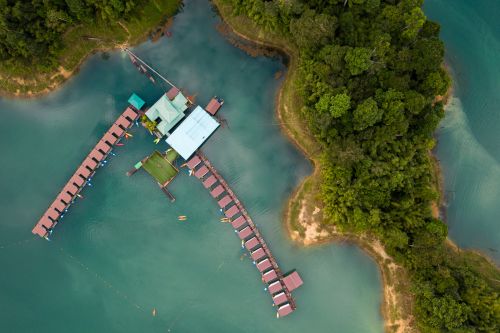
Carp (Cyprinus carpio) represents the main species in Romania’s aquaculture, holding a dominant share in domestic freshwater fish production. According to data published by FAO and reports submitted to Eurostat, Romania has over 80,000 hectares of fish farming facilities, yet total annual aquaculture production has remained in recent years below the threshold of 20,000 tonnes, most of it consisting of carp and associated species (bighead carp, silver carp).
The production model is predominantly extensive or semi-intensive, with average productivity levels lower than those of intensive farms in Central Europe. According to aggregated European data, yields can vary significantly depending on the technology used, from under 1 tonne/hectare in extensive systems to over 3–4 tonnes/hectare in modernized operations. In Romania, the average level remains below the technical potential of the existing infrastructure, influenced by feed and energy costs and by limited investment in modernization.
Domestic fish consumption, estimated by the National Institute of Statistics at around 8–9 kg per capita per year, remains below the European Union average, which exceeds 20 kg per capita per year according to Eurostat. In this context, carp has a pronounced seasonal presence, with peak consumption during the winter holidays. Outside this period, the market is dominated by imported ocean fish—salmon, mackerel, herring—with constant availability in modern retail.
From a foreign trade perspective, Romania is a net importer of fishery products, including in the segment of processed carp or substitutable species. Data from UN Comtrade indicate a structural trade deficit, which reduces the consolidation space for domestic producers. In the absence of vertical integration—processing, filleting, ready-to-cook products—added value remains limited to the sale of live or gutted fish.
For the 2021–2027 period, funding available through the Aquaculture and Fisheries Programme, coordinated by the Ministry of Agriculture and Rural Development, creates premises for increasing productivity and modernizing fish farms. The focus is on energy efficiency, digitalization, and traceability.
In the medium term, the competitiveness of Romanian carp depends on increasing yields per hectare, stabilizing production throughout the year, and developing the processing segment. Without investment in intensive technologies and commercial positioning, this traditional species of Romanian aquaculture risks remaining limited to seasonal consumption, while the domestic market continues to be largely supplied by imports.
(Photo: Freepik)
Did you learn something new from this article?
Read also: