771

Author
Meat.Milk
Share on


Published on
2026 March 18

Significant differences between farm-gate meat prices and retail prices have once again brought the functioning of Romania’s agri-food supply chain into focus. The Minister of Agriculture, Florin Barbu, has publicly highlighted the need for institutional intervention, requesting the Competition Council to analyze the mechanisms through which products reach store shelves and how the final price is formed. The context is a sensitive one: farmers report commercial pressures and difficulties accessing retail networks, while consumers face rising prices.
Sector data indicate a substantial gap between price levels. Currently, live pigs are sold at the farm for approximately RON 4.3–4.8/kg, while pork reaches retail shelves at RON 17–28/kg, depending on the product and distribution channel. This difference reflects both intermediary costs—slaughtering, processing, logistics, and retail—as well as the overall market structure. However, according to the signals raised by the Minister of Agriculture, the scale of these differences raises questions about commercial balance and the access of local producers to supply chains.
Against this backdrop, Florin Barbu also highlighted the issue of intermediaries, including the use of commercial entities registered outside the country to facilitate market access. At the same time, market observations point to a high presence of imported products, particularly from Member States such as Spain and Germany, while domestic production covers only part of consumption. According to Eurostat and the National Institute of Statistics, Romania remains a net importer of pork, which increases competitive pressure on local farmers.
The analysis requested from the Competition Council aims to clarify whether there are structural barriers or commercial practices affecting competition and value distribution along the supply chain. In the absence of adjustments, the risks are twofold: a reduction in domestic production capacity and the persistence of high prices for consumers. From this perspective, institutional intervention becomes relevant not only for addressing potential isolated dysfunctions, but also for a broader assessment of how the food market operates in Romania.
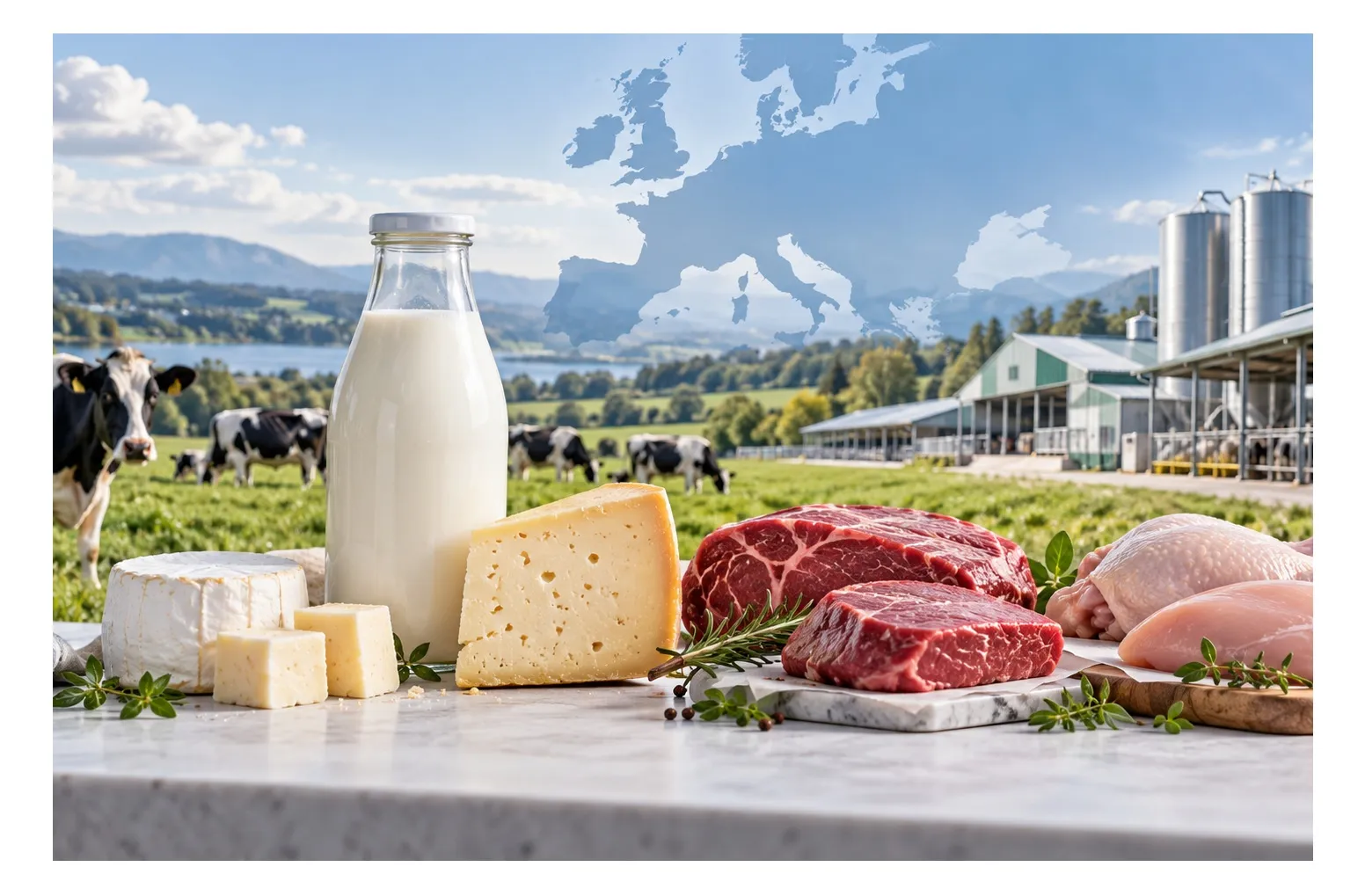
(Photo: Freepik)
Did you learn something new from this article?
Read also: