949

Author
Meat.Milk
Share on


Published on
2026 April 02
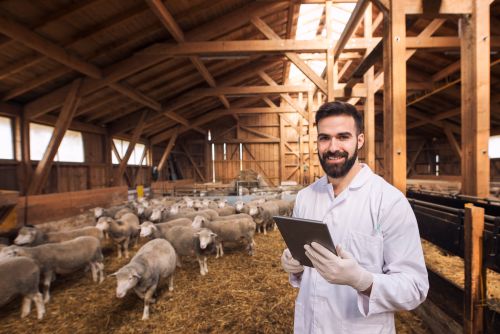
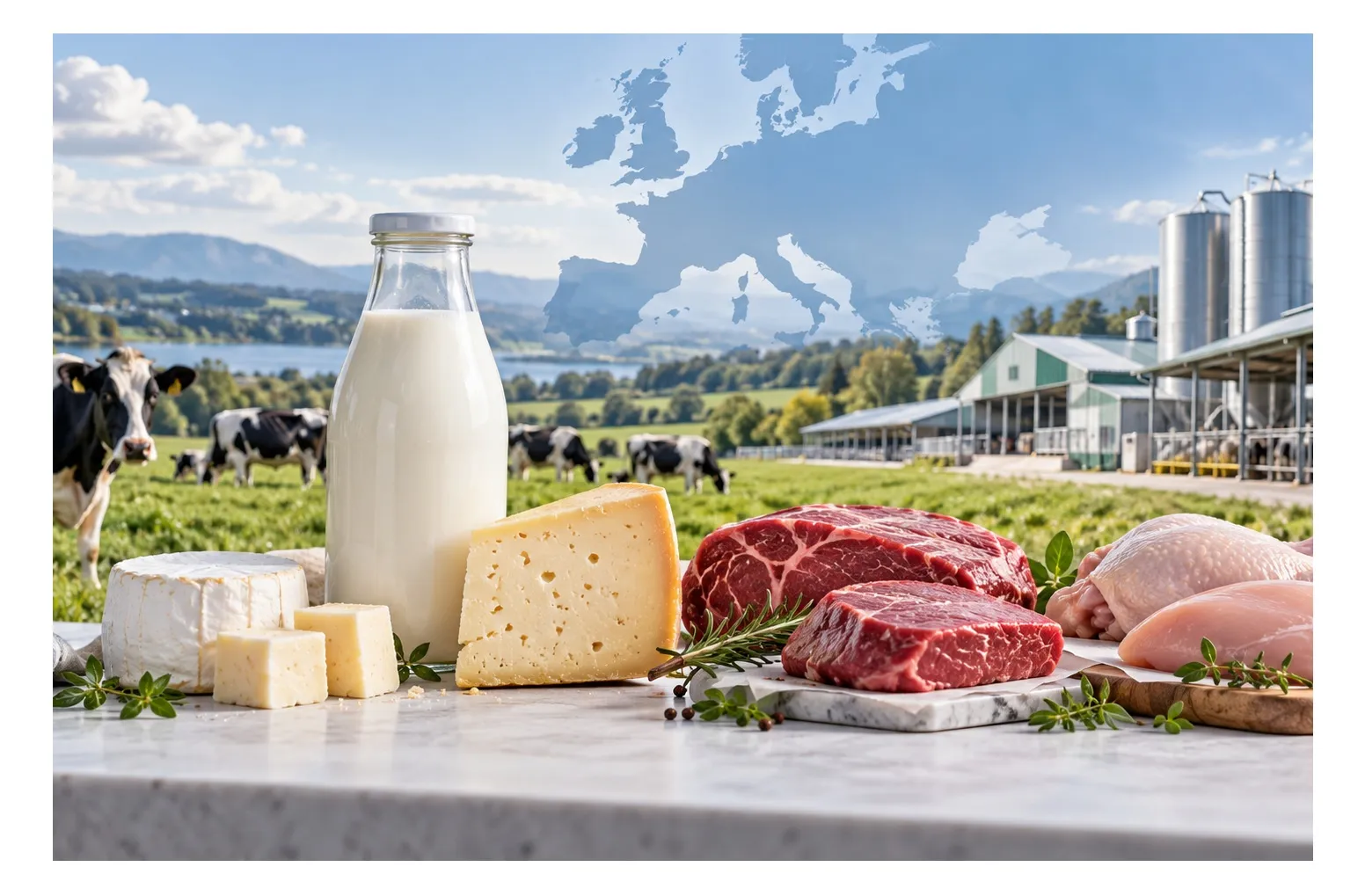
The Ministry of Agriculture and Rural Development organized a working meeting with representatives of associations from the livestock sector, aiming to identify practical solutions to the main challenges faced by farmers. The discussions focused on adapting the regulatory framework, improving access to financing, and advancing the operational modernization of farms.
A first point of analysis concerned the possibility of using European funds for the purchase of livestock, through adjustments to eligibility conditions and financing mechanisms. At present, the support provided under the Common Agricultural Policy includes interventions dedicated to farm investments; however, their structure limits, in certain cases, direct acquisitions of animal stock. According to data from the European Commission (DG AGRI), investments in the livestock sector remain essential for increasing productivity and reducing dependency on imports.
Digitalization represented a second central topic. Accelerating the processes of data collection and utilization within farms is considered a key factor for efficiency and traceability. At the European level, initiatives related to precision agriculture and the digitalization of livestock management systems are supported through programs such as Horizon Europe and CAP funding instruments. In Romania, the level of adoption remains uneven, particularly among small and medium-sized farms, where access to technology and digital skills is limited.
A third subject addressed the clarification and flexibilization of employment arrangements within professional associations. The livestock sector is facing a labor shortage, and adapting the legal framework could facilitate the attraction and retention of qualified personnel. According to Eurostat data, agriculture and livestock farming in the EU are experiencing a steady decline in the active workforce, further increasing pressure on farms.
The Ministry of Agriculture stated that it will continue its dialogue with professional organizations in order to develop public policies aligned with on-the-ground needs. The directions discussed indicate a shift toward more flexible interventions and the integration of technology into farm management, in a context where the sector’s competitiveness depends on its ability to adapt to market demands and European regulatory requirements.
(Photo: Freepik)
Did you learn something new from this article?
Read also: