1028

Author
Meat.Milk
Share on


Published on
2026 February 03
Recent statements by the Minister of Agriculture have brought back into focus one of the most sensitive issues in Romania’s agri-food economy: dependence on imports and the real balance between domestic production and consumption. According to the official, the increase in imported food volumes is not driven exclusively by Romania’s inability to produce, but rather by consumer preferences for products that are not manufactured locally on a significant scale or that are linked to specific climatic conditions.
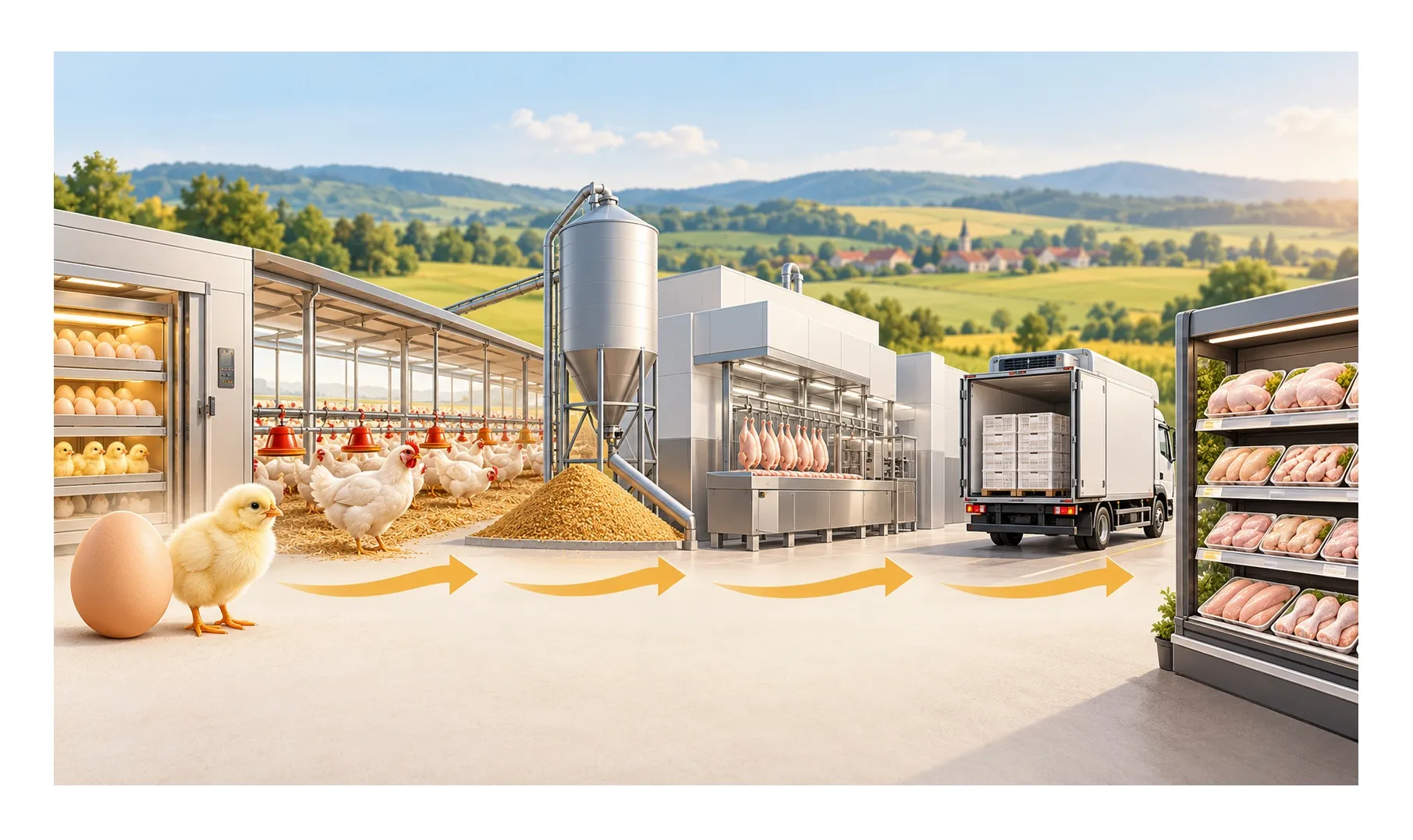
The minister emphasized that Romania maintains a high level of self-sufficiency in meat and milk, noting that in 2024 domestic production reportedly covered approximately 87% of demand for milk and dairy products, while poultry meat consumption was fully supplied from domestic production, with substantial export volumes. At an aggregate level, meat self-sufficiency was estimated at around 78%.
In this context, imports primarily target niche products or goods that involve technologies and traditions different from those prevailing in the Romanian food industry, such as certain types of mold-ripened cheeses or fruits that cannot be competitively cultivated under local climatic conditions. The official stressed that these trade flows do not indicate a structural failure of Romanian agriculture, but rather reflect market adaptation to consumer demand.
At the same time, the minister pointed to the need to expand investments in domestic production, particularly in greenhouses and protected cultivation, in order to reduce seasonality and increase the availability of Romanian vegetables on the market. The stated objective is to curb imports where genuine agricultural and economic potential exists.
The debate remains complex, however. Trade data show that Romania continues to record significant deficits in certain agri-food categories, particularly pork, some processed products, and the fruit and vegetable segment. The gap between theoretical production capacity and the actual performance of the agri-food chain is linked to investment levels, infrastructure, processing capacity, and farm stability.
The message conveyed by the Ministry of Agriculture outlines a strategic direction focused on strengthening domestic production and improving farmers’ integration into the value chain. In the absence of these structural adjustments, imports will continue to cover segments where local supply remains insufficient or uncompetitive.
(Photo: AI GENERATED)
Did you learn something new from this article?
Read also: