714

Author
Meat.Milk
Share on


Published on
2026 February 17
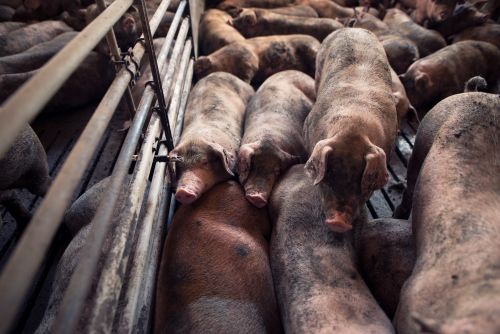
The pig farming sector in Romania is going through a difficult period, marked by declining producer prices and rising operating costs. Industry representatives warn that, in the absence of market-balancing mechanisms, the profitability of commercial farms remains under pressure.
Sector data indicate a significant gap between the selling price of live pigs and the actual cost of production. In certain periods of 2026, farm-gate prices dropped below the level needed to cover expenses for feed, energy, biosecurity, and labor.
A major factor is dependence on imports. Romania remains a net importer of pork, and external flows directly influence domestic prices. The additional supply on the market reduces local producers’ margins and limits their ability to transfer costs into the final price.
At the same time, biosecurity requirements imposed by the sanitary-veterinary context increase the fixed costs of commercial farms. Investments in herd protection, access control, and infrastructure are mandatory, but difficult to amortize in an unstable price environment.
Sector representatives also draw attention to market imbalances generated by the unauthorized sale of pigs and pork products, which affect competition and distort price formation.
In the medium term, the viability of farms depends on rebuilding livestock numbers, cost stability, and better integration along the production–processing chain. Without investment and coherent support policies, the sector risks remaining vulnerable to market fluctuations and import pressure.
(Photo: Freepik)
Did you learn something new from this article?
Read also: