1022

Author
Meat.Milk
Share on


Published on
2026 January 21
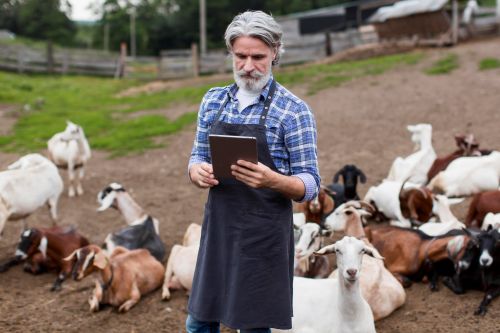
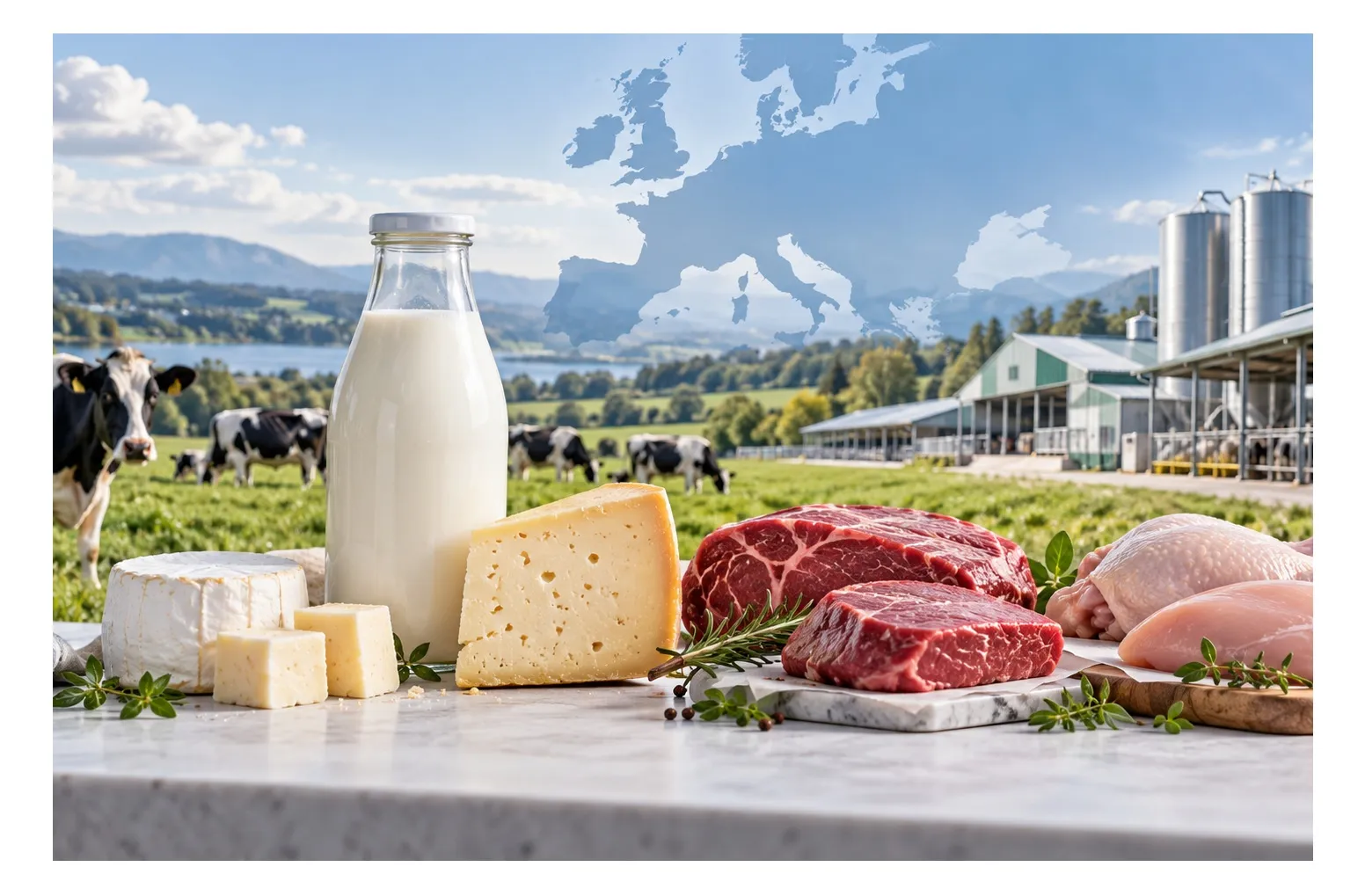
Romanian livestock farming enters 2026 in a fragile balance, shaped by rising production costs and stagnating farm-gate prices. According to data from the National Institute of Statistics (INS) and Eurostat, total costs in the livestock sector increased by more than 30% between 2021 and 2024, mainly due to higher feed, energy, and veterinary service prices.
Feed represents the main source of economic pressure. In cattle and pig farms, it accounts for between 55% and 70% of total production costs, depending on species and production system. Although cereal prices partially corrected in 2024–2025, the costs of compound feed remained high, driven by logistics and processing expenses.
At the same time, livestock numbers continue to decline. INS data show that between 2019 and 2024 the cattle herd decreased by more than 15%, while pig numbers fell by over 20%, amid economic and sanitary pressures. This contraction affects farms’ ability to dilute fixed costs and remain competitive.
For 2026, the central issue is not only the level of costs, but the lack of margin for absorption. Minor fluctuations in feed prices or production levels can quickly alter economic results, turning livestock farming into a high-risk sector.
(Photo: Freepik)
Did you learn something new from this article?
Read also: