986

Author
Meat.Milk
Share on


Published on
2026 January 15
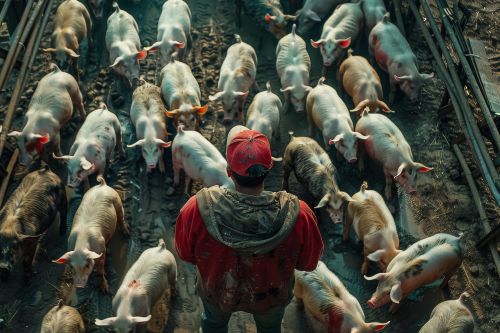
In Romania, the problem facing slaughterhouses is not a lack of infrastructure, but the widening gap between installed capacity and the actual volume of animals available for slaughter. In 2024–2025, this imbalance is generating high fixed costs and capacity underutilization, with a direct impact on processing prices.
The mechanism is strictly industrial. A slaughterhouse operates efficiently only at a certain utilization rate that allows fixed costs—energy, labor, sanitary-veterinary control, and maintenance—to be spread. When volumes fall below the optimal threshold, the cost per head slaughtered rises rapidly and margins disappear. For many units, the remaining alternatives are occasional processing or dependence on imported livestock.
Data published by Eurostat indicate that the number of animals slaughtered in Romania in 2024 remained significantly below the 2018 level, particularly in the pig sector. At the same time, the structure of slaughtering capacity has not adjusted proportionally to the reduction in livestock numbers. According to FAO data, capacity underutilization is one of the main sources of economic inefficiency in the meat industry in Central and Eastern Europe.
The implication is structural. Without a rebuilding of the livestock base or industrial consolidation, part of the slaughtering capacity will remain economically vulnerable, regardless of technological level.
Photo: Freepik