990

Author
Meat.Milk
Share on


Published on
2025 December 12
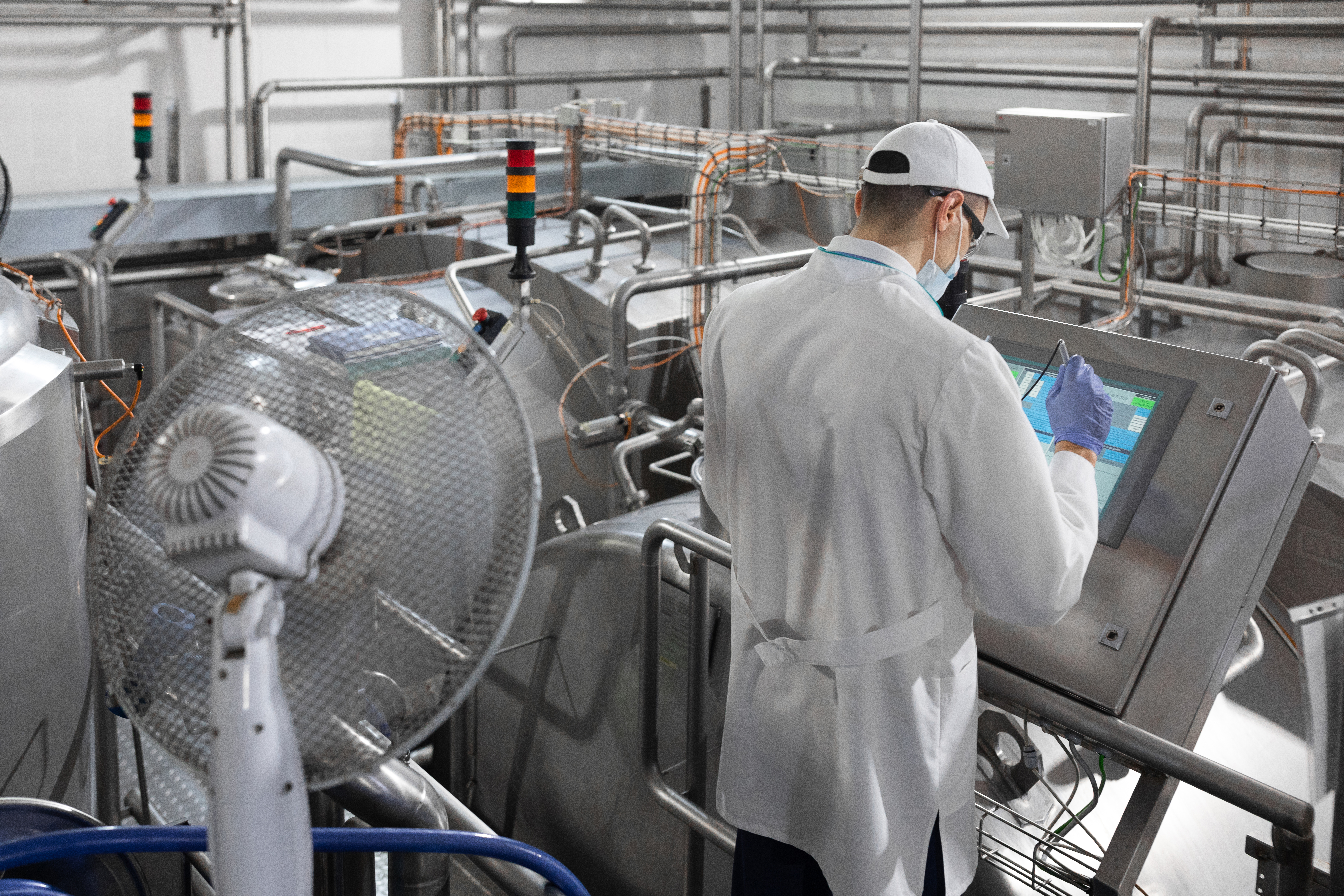
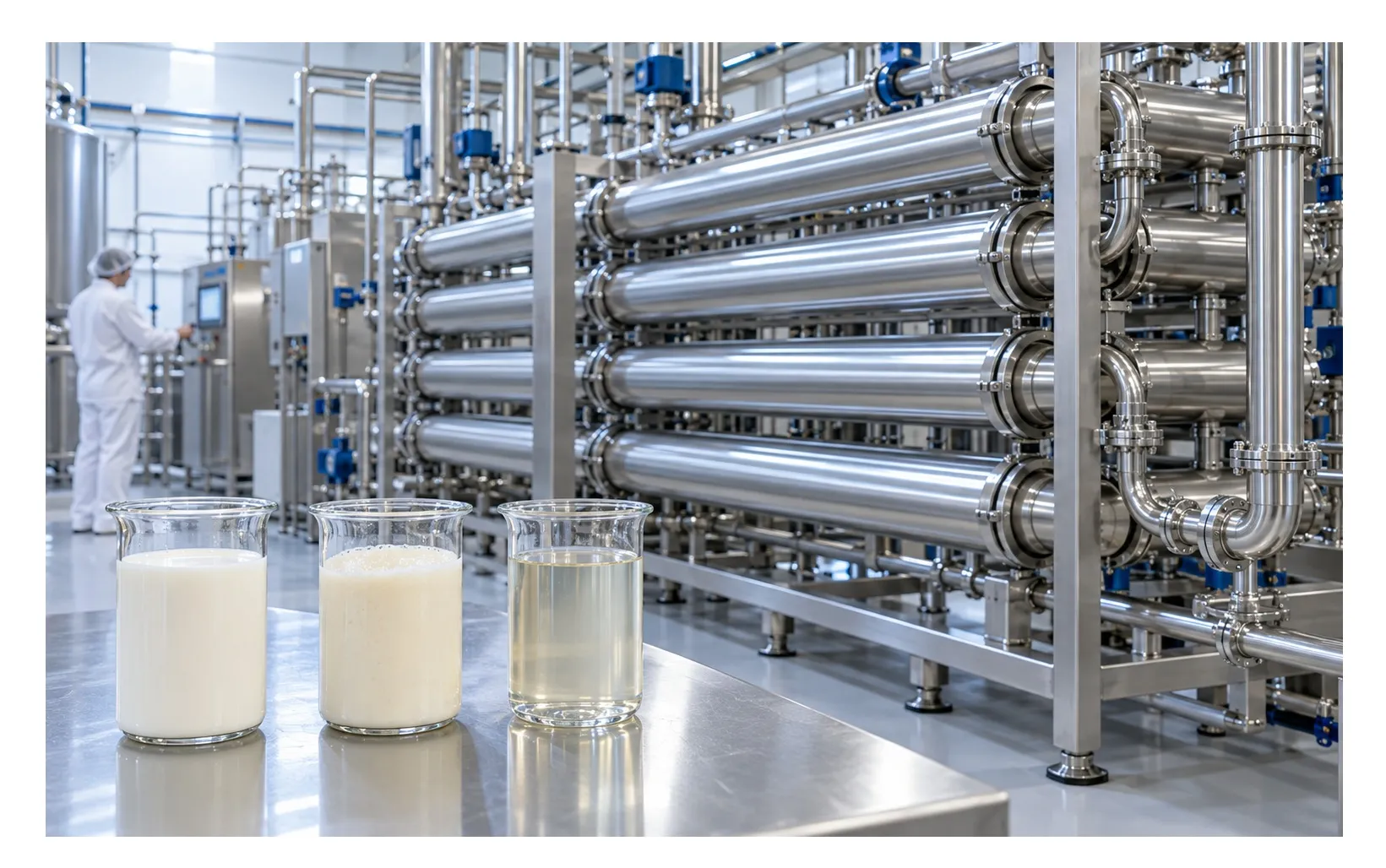
Pasteurization is one of the critical stages in milk processing, directly influencing the safety, stability, and yield of finished products. Data from FAO and DG AGRI show that modernized European plants operate with a ±0.2°C variation during pasteurization, compared to ±0.6°C in semi-automated units. This difference has a direct impact on energy consumption and microbiological quality.
Eurostat confirms that, in 2024, approximately 70% of large units use fully automated pasteurizers, while in Central Europe and Romania the share is below 50%. INS data show that automated units have 12–18% lower technological losses due to stable control of temperature and holding time.
Specific energy consumption for pasteurization ranges between 40–70 kWh/ton, depending on the equipment. Heat recovery systems reduce consumption by up to 25%, and the integration of real-time analyzers enables automatic adjustments that maintain optimal parameters.
For 2025, the European Commission promotes the standardization of pasteurization systems and continuous monitoring of parameters. Processors that adopt digitally controlled lines will have clear advantages in batch stability, safety, and energy efficiency.
(Photo: Freepik)
Did you learn something new from this article?
Read also: