993

Author
Meat.Milk
Share on


Published on
2025 November 05

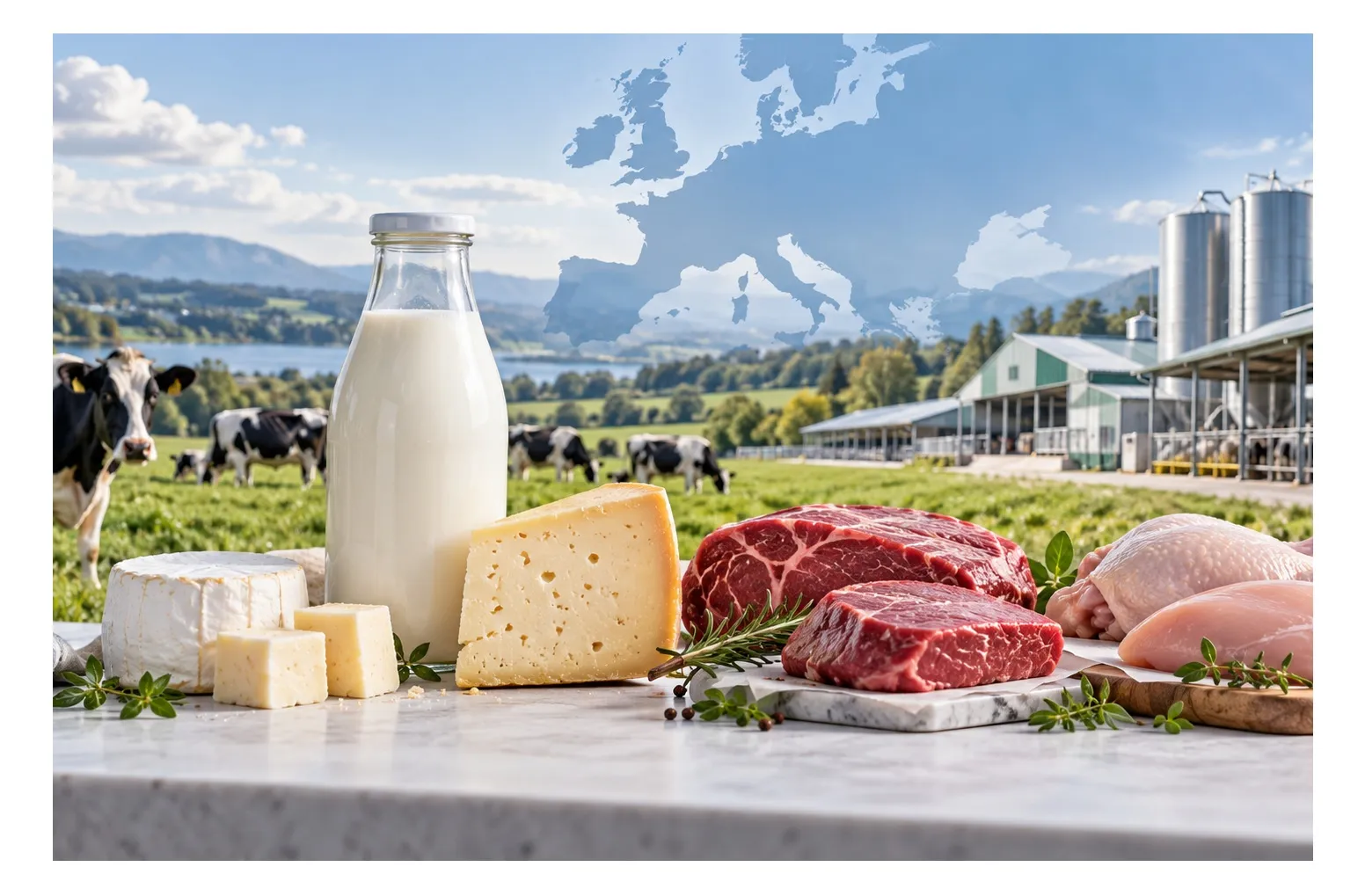
Processed meat remains one of the most dynamic segments of the European food industry — and one of the most debated from a nutritional standpoint. According to EFSA (2024), processed products provide, on average, 22% of the daily protein intake in the European diet, yet the excess of salt and saturated fats continues to pose a public health concern.
In Romania, annual consumption of processed meat and cold cuts exceeds 12 kg per capita, according to INS data, while the premium segment — additive-free and “clean label” — is rapidly gaining ground. Euromonitor (2024) reports an 18% increase in sales of reformulated products with reduced nitrite and sodium content.
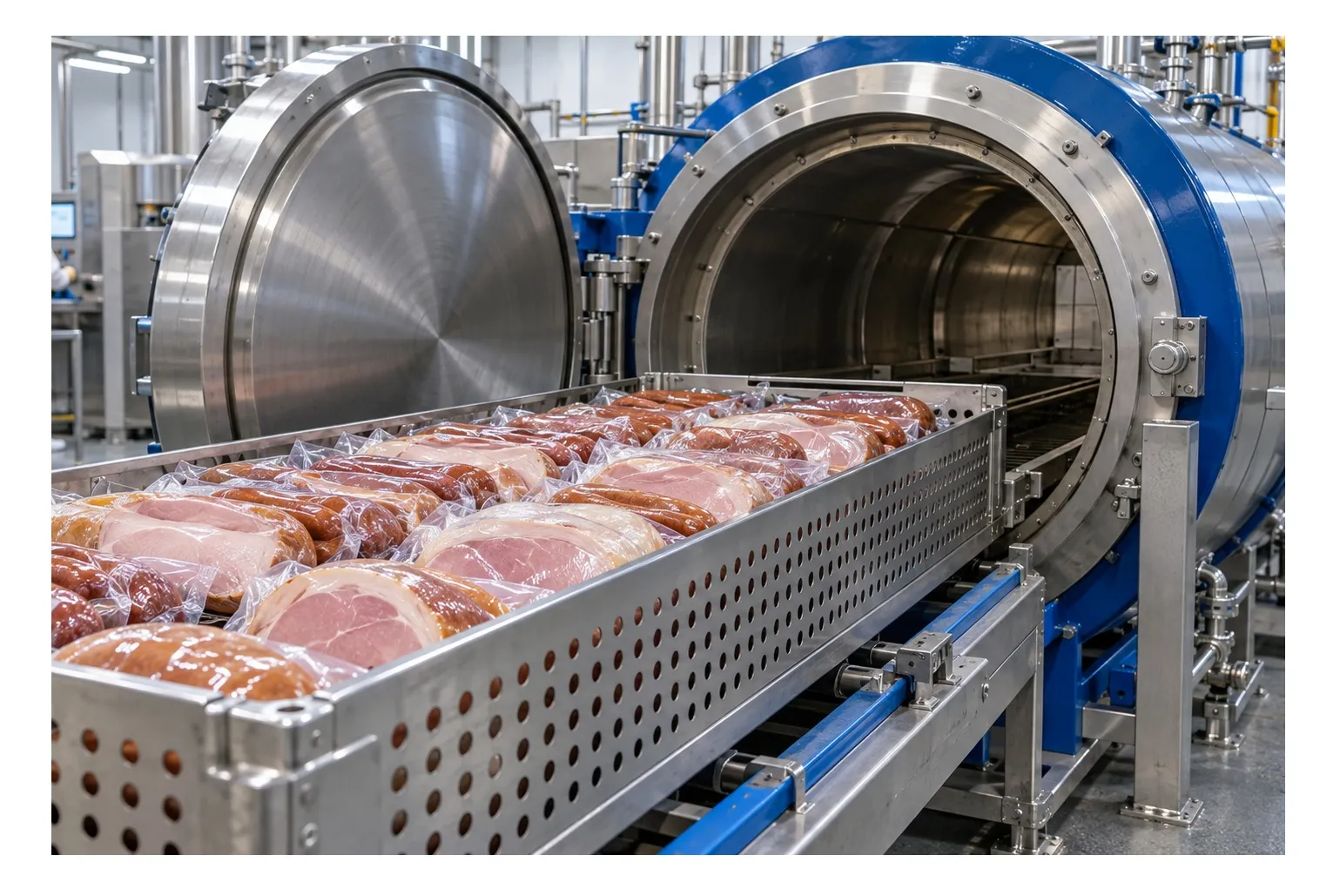
The European Union supports product reformulation through dedicated initiatives such as the EU Platform for Action on Diet, Physical Activity and Health, which aims to reduce salt consumption by 30% by 2030. At the same time, new technologies — including High Pressure Processing (HPP), natural smoking, and modified-atmosphere packaging — allow producers to deliver safe products without compromising quality.
For consumers, the key lies in balance. The WHO recommends limiting processed meat intake to 50–70 grams per day and choosing local, certified products with short ingredient lists.
For Romania, the future of this sector depends on the ability of processors to combine convenience with responsibility. Through innovation and transparency, the industry can prove that processed meat can remain part of a modern, safe, and balanced diet.
(Photo: Freepik)
Did you learn something new from this article?
Read also: