1168

Author
Meat.Milk
Share on


Published on
2026 January 18
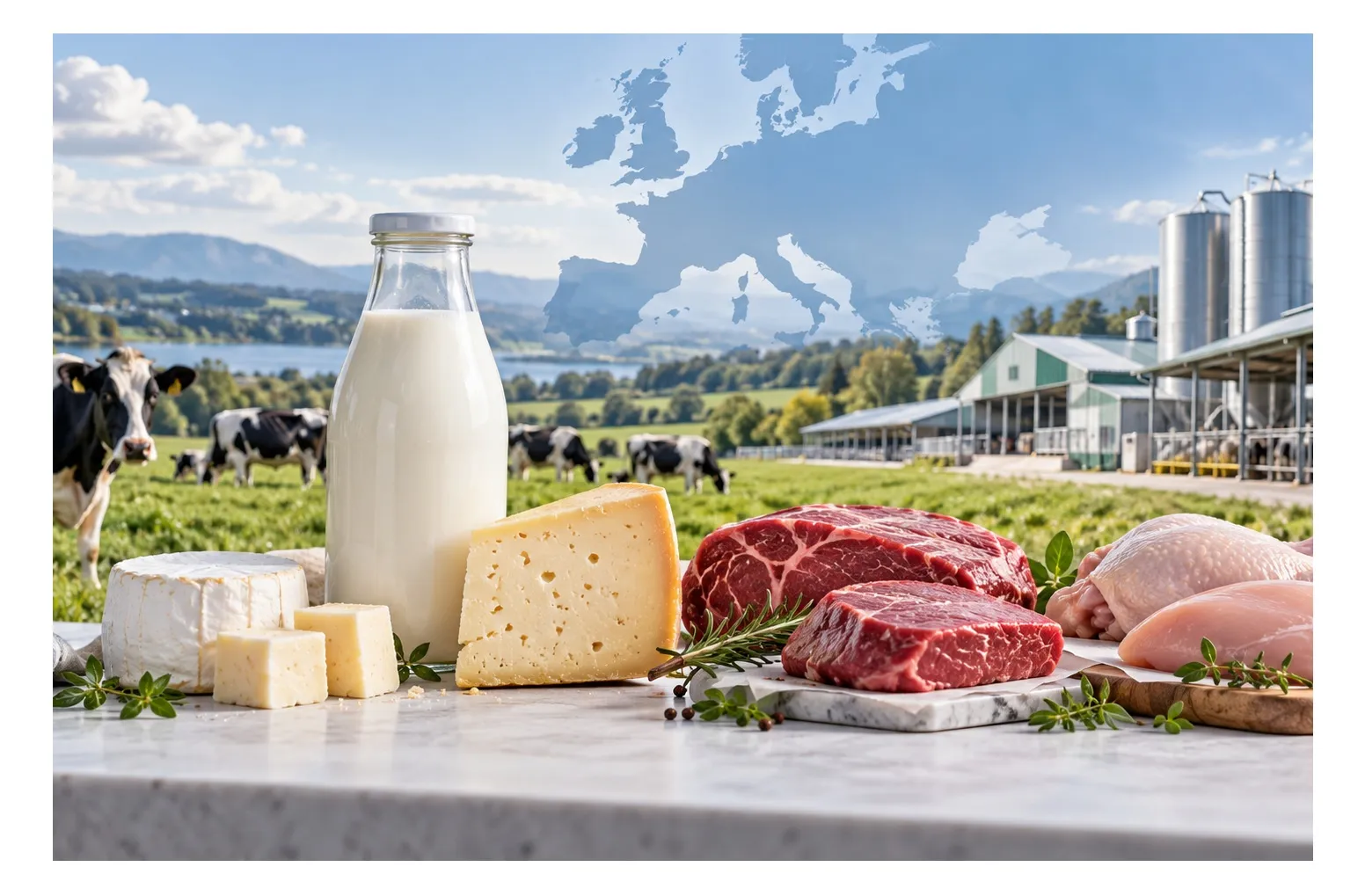
Within the milk supply chain, collection is one of the most sensitive economic links, as it converts the fragmented structure of farms into a direct industrial cost. In 2024–2025, this cost has become increasingly difficult for processors to absorb, particularly in areas with a low density of commercial farms and long collection distances.
The mechanism is primarily logistical and energy-related. Milk collection requires daily transport, maintenance of the cold chain, and strict compliance with quality parameters. When volumes delivered per farm are small and geographically dispersed, the cost per liter collected rises and operational efficiency declines. This cost is added on top of processing expenses and erodes the final margin.
Data published by the National Institute of Statistics (INS) indicate that in 2024 the number of dairy cow holdings continued to decline, yet production fragmentation remains high. Eurostat data confirm that Romania is among the Member States with the widest gap between the number of farms and the total volume of milk produced. According to International Dairy Federation (IDF) reports, collection and logistics costs can account for up to 15% of the total cost of processed milk in regions with a fragmented production structure.
The implication for 2025 is structural. Without consolidation at farm level or without functional associative models, collection costs will continue to rise, limiting the competitiveness of milk processing and the industry’s investment capacity.
(Photo: Freepik)
Did you learn something new from this article?
Read also: