2083

Author
Meat.Milk
Share on


Published on
2025 December 19

In 2025, the European framework for official controls in the meat industry enters a phase of stricter enforcement, driven by the consolidation of Regulation (EU) 2017/625 and the operational recommendations issued by DG SANTE following audits carried out in the Member States. The focus is shifting from isolated checks to a systemic evaluation of processes, with emphasis on traceability, microbiological control, and the consistency of operators’ internal procedures.
European Commission data show that between 2022 and 2024, more than 60% of non-compliances identified in meat processing facilities were related to incomplete documentation, insufficient monitoring of critical control points, and discrepancies between declared procedures and actual on-site practices. In this context, inspections in 2025 will primarily target how HACCP plans are implemented and verified, not merely their formal existence.
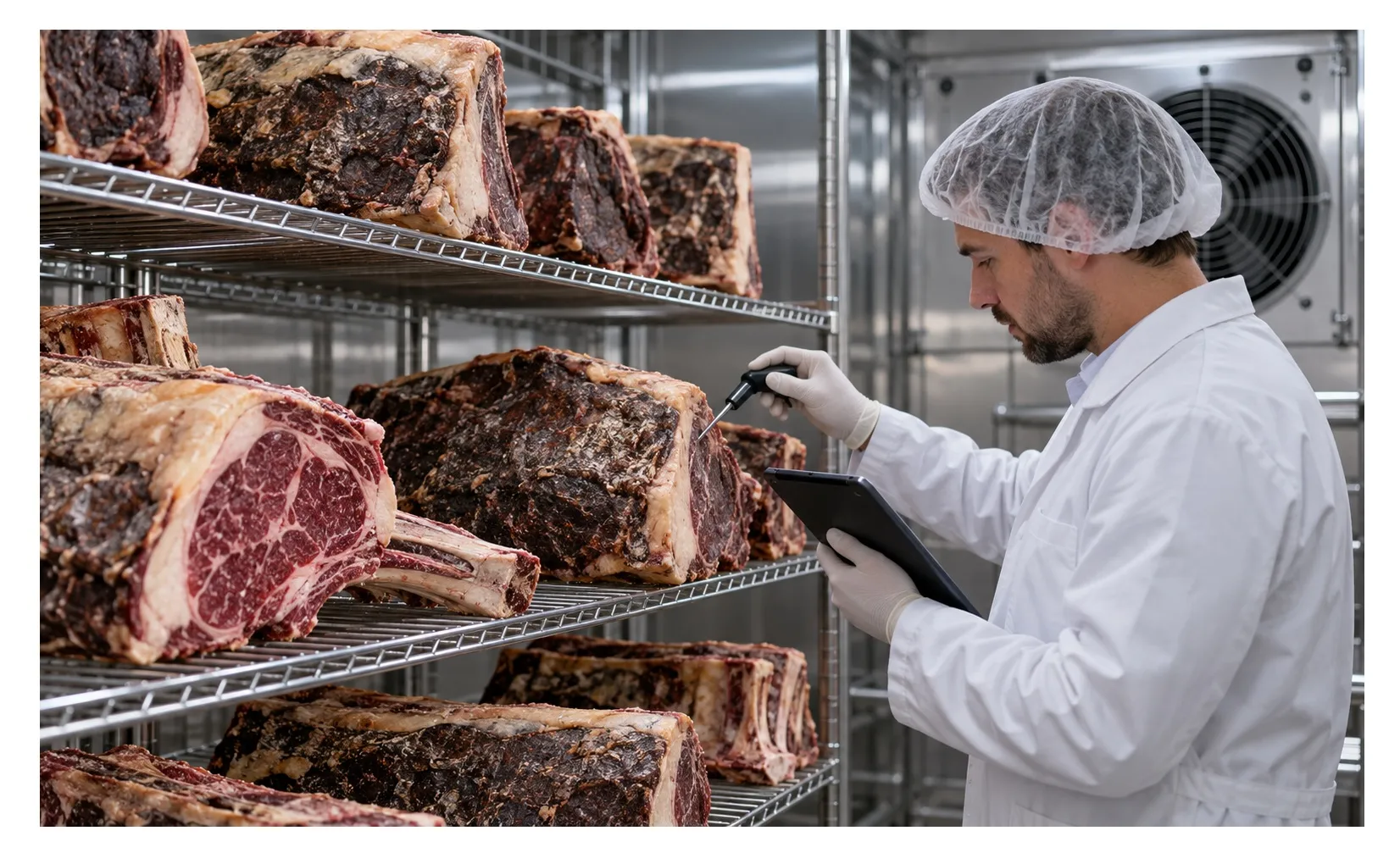
DG SANTE recommends intensifying unannounced inspections at high-risk stages, such as raw material reception, cutting, and intermediate storage. Checks include correlating temperature records with actual production flows and analyzing how deviations are managed. Competent authorities assess whether corrective measures are effectively applied and documented in a timely manner, rather than recorded retrospectively.
Another central element is digital traceability. In 2025, the European Commission encourages the use of computerized systems that allow real-time tracking of batches from reception to delivery. Experience in Western European countries shows that facilities using integrated digital systems significantly reduce investigation time in the event of a food alert and limit the economic impact of product withdrawals.
For processors in Romania, these developments require rapid adaptation to a more technical and predictive control model. Compliance is no longer assessed solely through formal adherence to regulations, but through the facility’s ability to demonstrate continuous control over its processes. In this context, investments in monitoring, digitalization, and professional training become essential to maintaining access to both the domestic and European markets.
(Photo: Freepik)
Did you learn something new from this article?
Read also: