881

Author
Meat.Milk
Share on


Published on
2025 December 05

Food packaging has become an essential component of food safety, and the European recommendations for 2025 emphasize safe materials, traceability, and the control of substance migration into the product. EFSA assessments show that packaging is not just a container but a system that protects food from contamination, oxidation, moisture loss, and microbiological spoilage. The materials used, the manufacturing process, and the storage conditions directly influence the stability and quality of foods throughout the entire distribution chain.
Regulation (EC) No. 1935/2004 establishes the principle that materials coming into contact with food must not transfer substances in quantities that could affect health or alter the properties of the product. The JRC confirms that chemical migration is a strictly monitored factor in risk assessments, and standardized tests are applied to verify the interaction of packaging with acidic, oily, or light-sensitive products. Evaluations focus on materials such as plastic, paper, cardboard, glass, and metal, each with different technical specifications and usage limits.
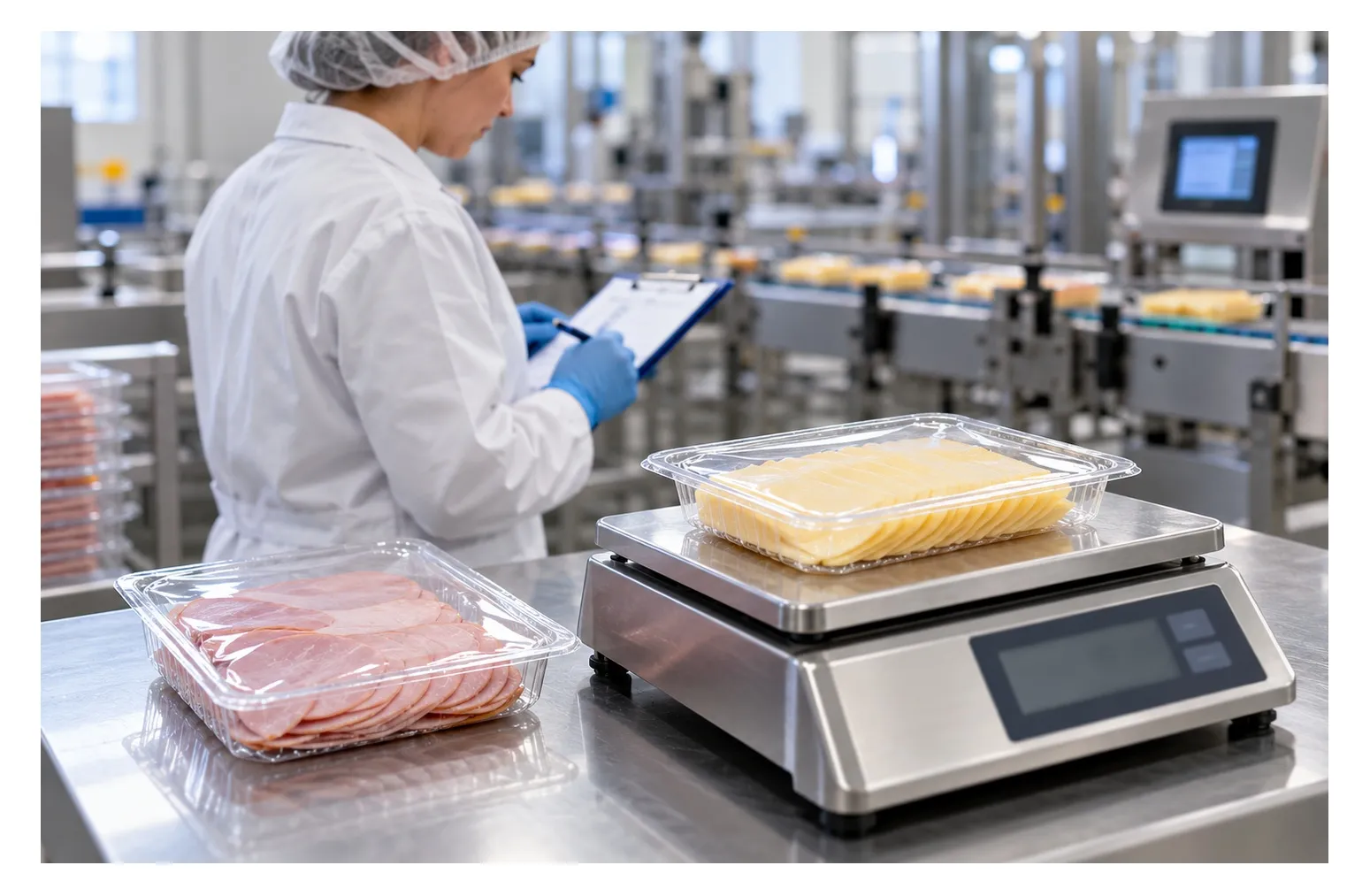
For perishable products, modern packaging used in modified-atmosphere conditions provides better microbiological stability by maintaining control over oxygen and carbon dioxide levels. EFSA notes that these systems can significantly reduce the risk of spoilage; however, their effectiveness depends on strict adherence to temperature requirements throughout the cold chain. At the same time, the European Commission encourages the transition toward recyclable materials and digital traceability systems, which allow the monitoring of batches and the rapid identification of any non-compliance.
The WHO highlights that packaging also plays an important role in preventing food waste by extending shelf life and preserving nutritional quality. However, the use of non-compliant materials or storage in improper conditions may compromise product safety, which is why the industry must maintain rigorous control over suppliers and production flows.
In 2025, European requirements are moving toward safe, recyclable, and fully traceable packaging. Processors who invest in compliant materials, migration testing, and digital batch verification systems are better positioned in a market where both consumers and retailers demand high standards of quality and transparency.
(Photo: Freepik)
Did you learn something new from this article?
Read also: