994

Author
Meat.Milk
Share on


Published on
2025 November 26
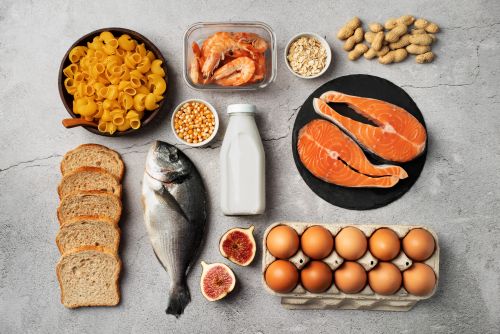
Protein consumption in Europe is undergoing a gradual transformation, driven by demographic changes, urbanisation and a shift among consumers toward products perceived as more nutritionally balanced. FAO data for 2010–2023 indicate a moderate increase in total per-capita protein intake, but the distribution between animal and plant proteins is visibly changing. Eurostat shows that animal-derived proteins account for approximately 57% of total intake in the EU, although this share is slowly declining among the younger population.
Poultry meat remains the main source of animal protein, with an average consumption of over 25 kg per capita per year. FAO notes an 18% increase over the past decade due to moderate prices, alignment with European standards and the perception of a lower environmental footprint. At the same time, red meat consumption is decreasing among consumers under 35, with the 2024 Eurobarometer indicating that 42% of young people are trying to reduce their intake for health reasons.
In the dairy sector, fermented products are gaining ground, with EFSA confirming steady growth in the consumption of yoghurt and kefir. These products are perceived as accessible and beneficial for nutritional balance, and annual per-capita consumption in the EU exceeds 36 kg. Meanwhile, OECD reports that plant-based products account for approximately 18% of total protein intake, with growth driven more by flexitarian diets than by abandoning animal products.
The food industry must adapt to these shifts by diversifying product portfolios, providing clear information regarding protein content and ensuring transparent labelling. European retailers demand clearer nutritional information and data-based arguments, and producers who align with these requirements gain a competitive advantage in a dynamic market.
(Photo: Freepik)
Did you learn something new from this article?
Read also: