1052

Author
Meat.Milk
Share on


Published on
2025 November 26

Eurostat data for 2024 indicate an average −3.1% reduction in slaughtering across the EU, with more pronounced decreases in the pork sector (−4.2%) and stagnation in bovine slaughtering (−0.8%). Romania follows the European trend, although INS shows a smaller variation: pig slaughtering decreased by approximately −1.5% in the first three quarters of 2024, while poultry slaughtering remained stable at over 360 thousand tonnes of carcass meat.
Infrastructure modernization remains the key to complying with DG SANTE regulations. The 2023 European audit highlighted the need to improve temperature monitoring, sanitation flows and the processing of by-products. These requirements generate additional costs of 8–12% per year, based on implementation reports analysed by the Commission in Central European states.
The digitalisation of slaughterhouses is still limited. Eurostat estimates that only 27% of small units in Central Europe use automated traceability systems. In Romania, the level is below 20%, which restricts access to short supply chains and stable contracts with modern retail. At the same time, national energy efficiency programmes indicate a potential reduction in energy consumption of 10–15% in units that adopt controlled ventilation, heat recovery systems and electrical monitoring.
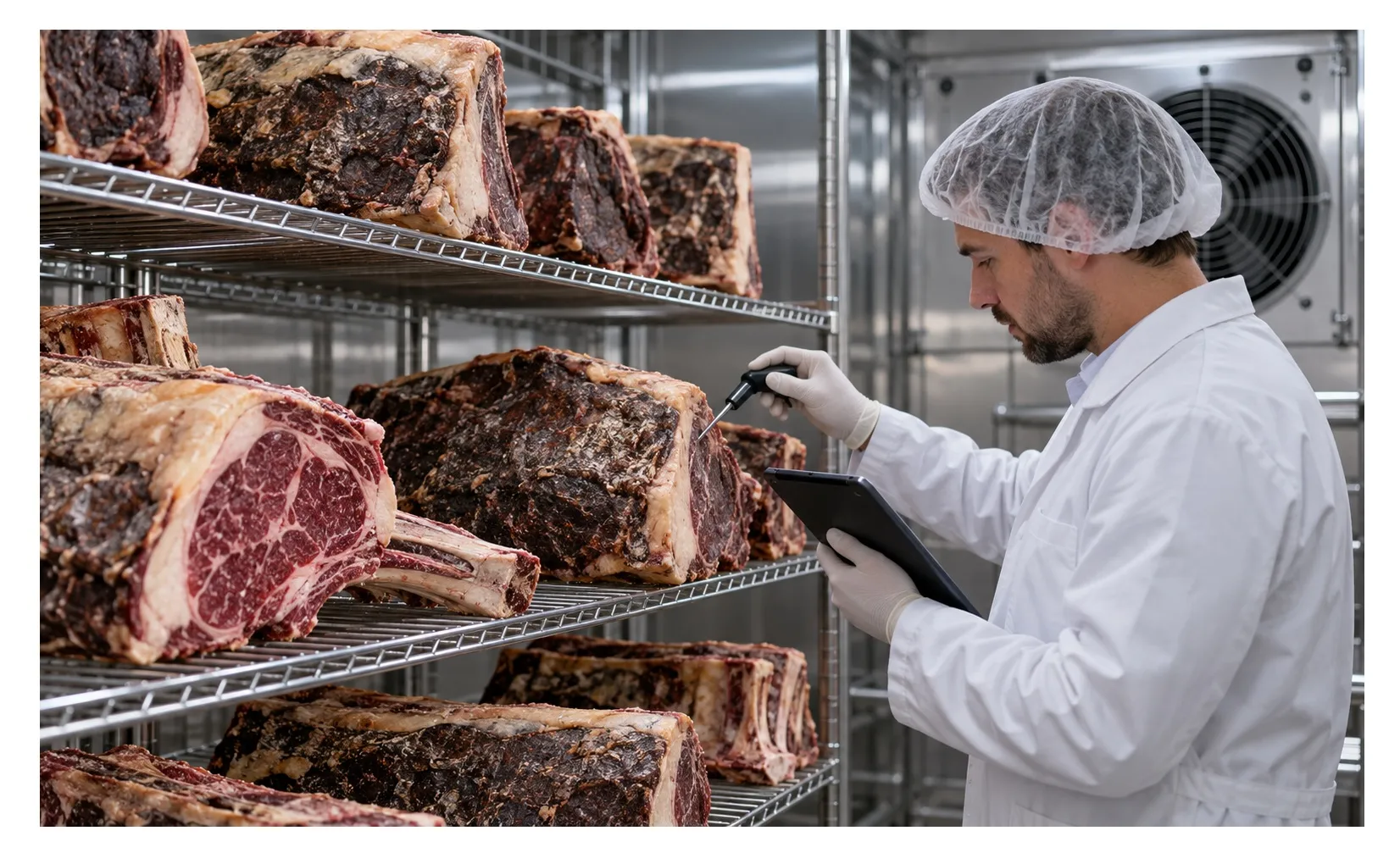
For 2025, pressure will come from two directions: requirements regarding animal welfare (the legislative revisions planned by the European Commission) and the need for standardising the flow from animal reception to packaging. Slaughterhouses that invest in automated handling equipment, smart cold rooms and SCADA systems for hygiene control will remain competitive compared to European exporters.
(Photo: Freepik)
Did you learn something new from this article?
Read also: