1176

Author
Meat.Milk
Share on


Published on
2026 January 21
In 2024–2025, meat exports of the European Union remained an important instrument for balancing the internal market, but their economic impact varies significantly depending on species and destination. Data from the European Commission show that in 2024 the EU exported approximately 4.2 million tonnes of meat and meat products, with moderate variations compared to 2023, against a backdrop of intense global competition.
In the pork segment, the European Union exported more than 2.1 million tonnes in 2024, down from previous years, amid declining demand from Asia and the restructuring of livestock herds. The main destination markets remained China, Japan, and South Korea; however, average export prices recorded downward adjustments, limiting margin gains for processors despite still high volumes.
In the case of poultry meat, the situation is different. According to Eurostat and DG AGRI data, EU poultry meat exports exceeded 1.6 million tonnes in 2024, showing a slight increase compared to 2023. The segment benefited from stable demand in the Middle East and Africa, but higher logistics and sanitary-veterinary costs reduced the net export advantage.
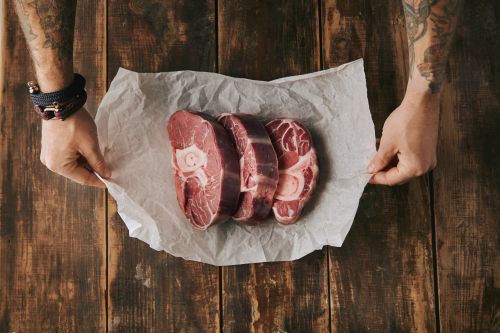
Beef remains a low-volume but higher value-per-unit segment. EU exports stood at around 400,000 tonnes in 2024, mainly oriented toward premium markets. From an economic perspective, this segment offers better prices but involves high compliance and certification costs, accessible primarily to large processors.
From a legislative standpoint, exports are conditional on compliance with EU standards and additional requirements imposed by third countries. The costs associated with certification, inspections, and traceability can represent a significant share of the final price, especially for small volumes or short-term contracts.
For 2025–2026, exports remain relevant for volume stabilization but do not guarantee margin growth. Processors that treat exports as a strategic instrument, carefully calibrated by species and market, can obtain economic advantages. Those relying exclusively on volume risk transferring cost pressure from the domestic market to external markets, without a net gain.
(Photo: Freepik)
Did you learn something new from this article?
Read also: