1938

Author
Meat.Milk
Share on


Published on
2026 April 27
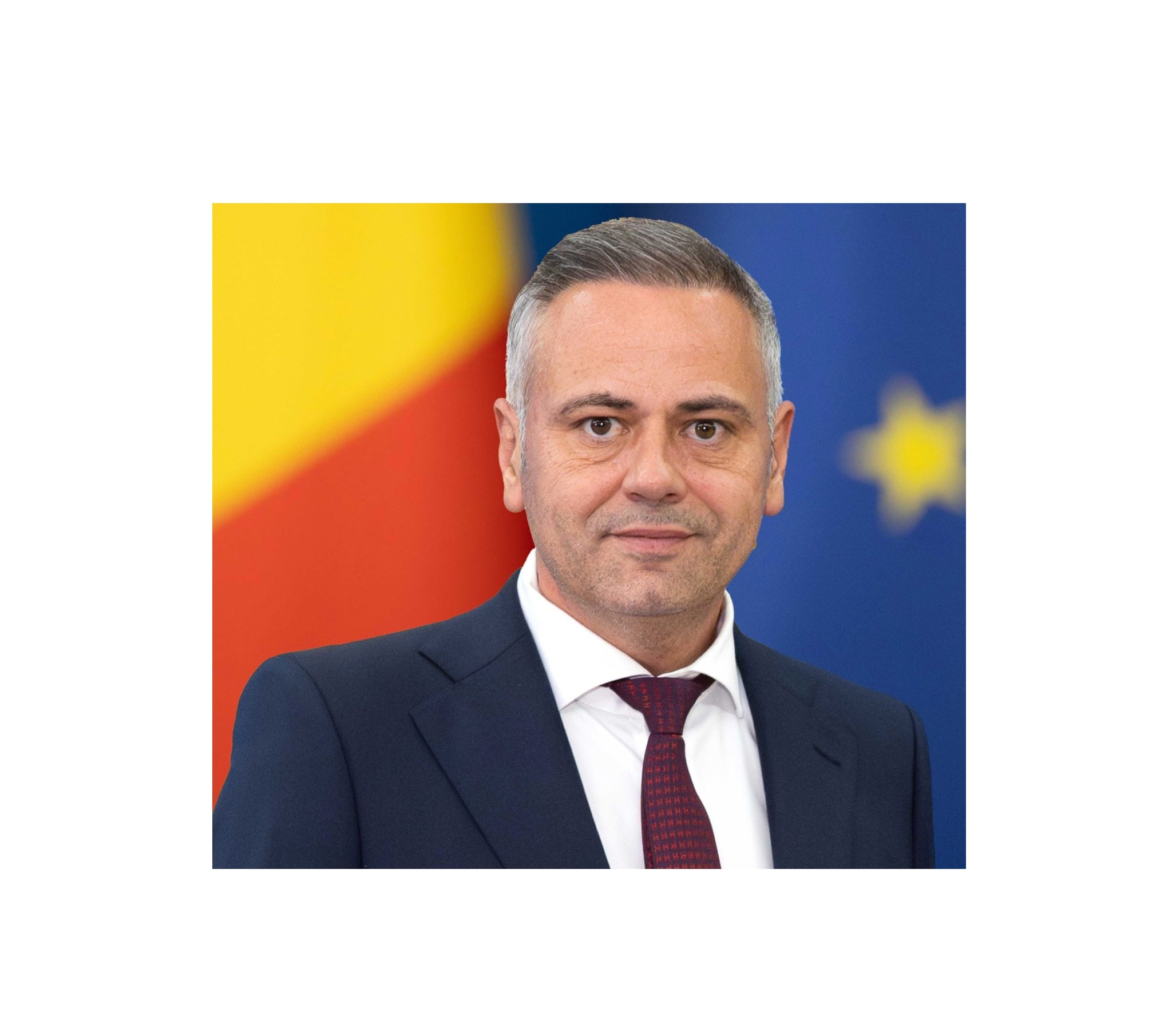
The end of Florin Barbu’s term at the Ministry of Agriculture comes at a time of major political change, but it leaves behind a record that will continue to be analyzed by the agri-food sector for a long time to come.
Following his resignation from the Government, the former minister presented his activity report, emphasizing the idea that Romanian agriculture must move from being a raw material supplier to becoming a producer of high value-added goods.
One of the central directions of his mandate was accelerating investments in processing.
In recent years, the Ministry of Agriculture and Rural Development (MADR) supported significant financing for processing plants in the meat, dairy, bakery, and agricultural storage sectors, with the stated objective of reducing dependence on imports and increasing the value of local production.
At the same time, his term was marked by record levels of European fund absorption.
At the beginning of 2026, the Ministry announced that Romania had exceeded €5 billion in absorbed European agricultural funds, one of the highest levels recorded so far.
Another sensitive issue managed during this period was the payment calendar for farmers.
Amid market tensions and pressure on farm liquidity, Florin Barbu insisted in the final days of his mandate that APIA payments continue without delays, and that subsidies would return to the normal authorization and payment schedule.
During his mandate, support schemes for fuel, programs for vegetable producers, investments in irrigation systems, and projects aimed at strengthening agricultural cooperatives were also accelerated.
Perhaps the most ambitious idea promoted in recent months was the integration of crop production with livestock farming and domestic processing, including linking future support schemes to the development of integrated farms — a strategy designed to retain more value within the local economy.
His mandate was not without criticism: farmers frequently complained about high costs, import pressure, and bureaucratic burdens.
However, beyond the political debate, Florin Barbu leaves behind a ministry in the middle of a major investment cycle and a sector entering a new phase, where the key challenge is no longer just agricultural production, but transforming that production into a competitive food business.
And for the next minister, the real challenge is only just beginning.
(Photo: Facebook Florin Barbu)
Did you learn something new from this article?
Read also: