934

Author
Meat.Milk
Share on


Published on
2025 December 17

Sanitary compliance requirements became stricter following the DG SANTE evaluations carried out in 2023–2024. Eurostat shows that 82% of large processing units in the EU use automated systems for monitoring temperature, humidity, and microbial load, compared to 54% of small and medium-sized units. Romania is gradually aligning with these standards; however, data from the National Institute of Statistics (INS) and national audit reports indicate significant variation between facilities.
A critical indicator is the number of non-compliances identified during sanitary-veterinary inspections. At European level, the average is 2.1 non-compliances per inspection, while in Central Europe and Romania the figures are higher, exceeding 3.4 per inspection in small units. Improvements are evident in facilities that have implemented separate flows for clean and dirty areas, reducing the risk of contamination by 18–25%, according to FAO data.
Microbiological control of surfaces and equipment remains a central element. Units that use automated disinfection systems reduce microbial load by 30–40%, while losses resulting from non-compliances decrease by 2–3% annually. Investments in infrastructure—resistant flooring, directional ventilation, sensors for contamination detection—are estimated at 4–8% of turnover, according to the European Commission.
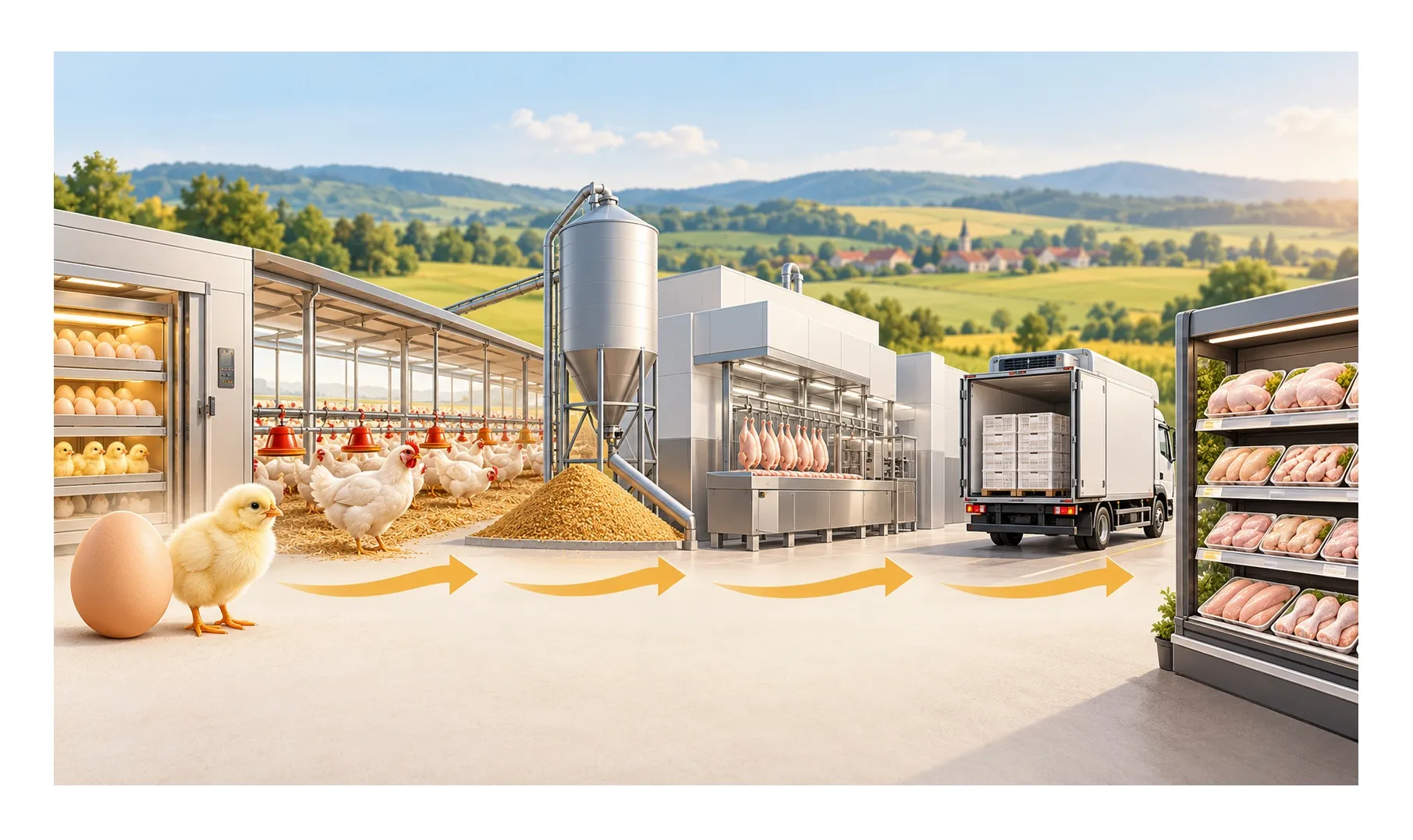
For 2025, DG SANTE emphasizes continuous digital monitoring and full traceability of the technological flow. Units that automate sanitary control will benefit from lower costs, greater predictability, and expanded access to regional contracts.
(Photo: Freepik)
Did you learn something new from this article?
Read also: