1001

Author
Meat.Milk
Share on


Published on
2026 April 14
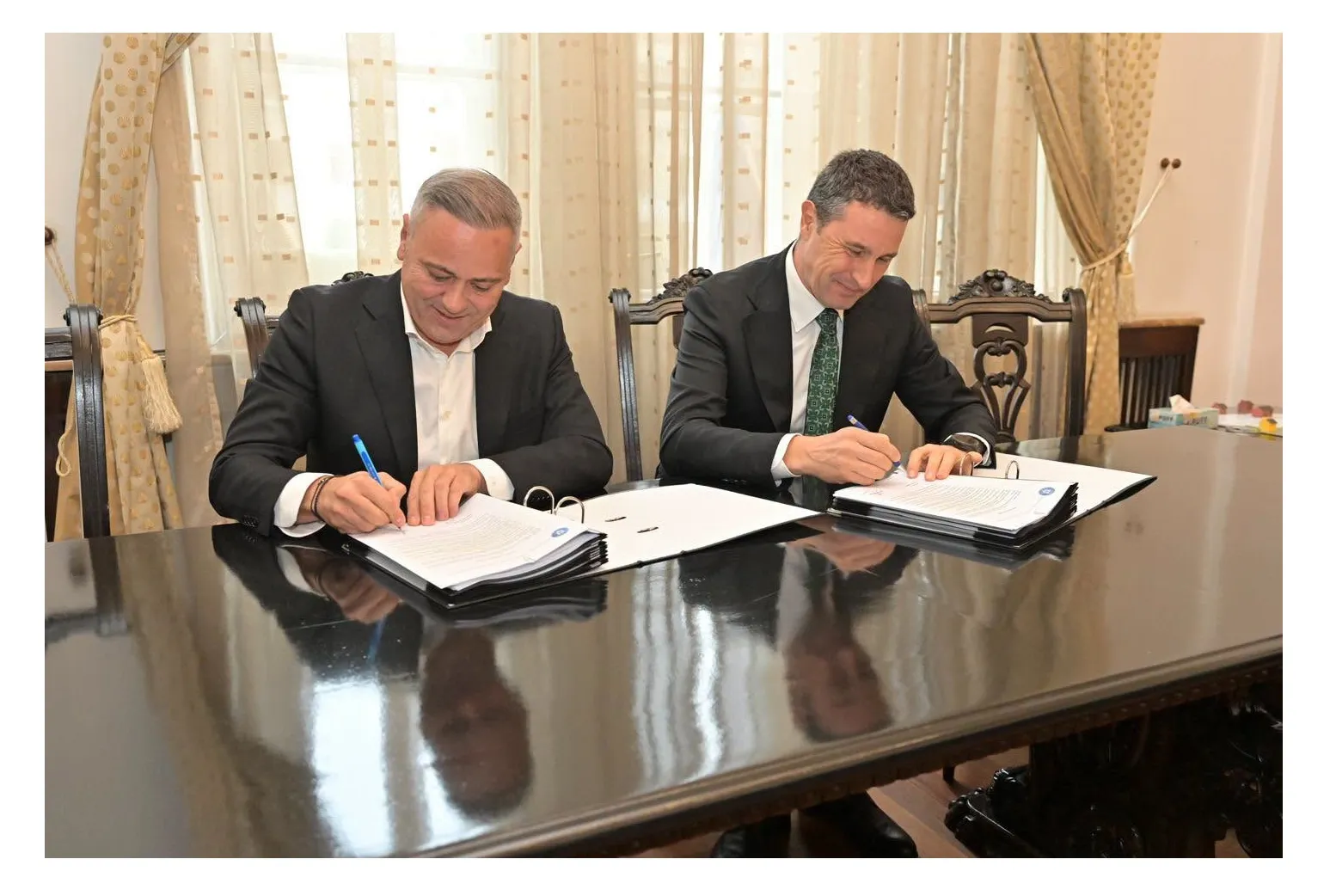
Agricultural policies in Romania are shaped within a complex framework, where public decision-making results from a continuous balance between the interests of the state, the business environment, and associative structures. In this context, the trajectory of Nini Săpunaru provides a relevant perspective on how these mechanisms function in practice, from within the decision-making system.
His activity as President of the Committee for Agriculture in the Chamber of Deputies (2012–2016) coincided with a period of intensified legislative activity in the field. At that time, Romania was undergoing a phase of consolidating its regulatory framework in line with European policies, while also responding to internal pressures generated by imbalances within the agri-food chain. During this period, legislative acts with direct market impact were promoted: regulations on the commercialization of food products, fiscal incentives for agricultural cooperatives, and amendments to legislation in the beekeeping and wine sectors. These interventions targeted both market functioning and the stimulation of associative forms and the valorization of domestic production.
Beyond the legislative component, the role exercised was one of institutional mediation. The process of developing agricultural policies involves continuous negotiations, in which the positions of stakeholders are often divergent: producers, processors, retail, as well as national and European authorities. The ability to harmonize these interests becomes a determining factor for the stability of the regulatory framework and the predictability of the business environment.
The parliamentary career of Nini Săpunaru also includes activity in committees directly relevant to the functioning of the economy. He was a member of the Committee for Budget, Finance and Banks and of the Committee for Labor and Social Protection within the Chamber of Deputies, experiences that strengthened his understanding of fiscal mechanisms, wage policies, and their impact on the economic environment. His academic background as an economist, a graduate of the Bucharest Academy of Economic Studies and holder of a PhD in economics, complements this technical perspective on public decision-making.
His administrative experience was further strengthened through his leadership of the General Directorate of Customs during a period of reform, involving the management of trade flows and border control—key elements for the functioning of the internal market and the protection of economic interests. His four parliamentary terms provided continuity and consistency in approaching public policies.
Currently, as Secretary of State within the Government of Romania, responsible for relations with Parliament, his role remains connected to the same interface between decision-making and implementation. From this position, the interaction between the executive and legislative branches continues to influence how public policies are defined and applied.
In a context where public policies have a direct impact on budgetary balances, the investment environment, and economic competitiveness, roles situated at the intersection of the legislative and executive branches become essential. The experience accumulated in these positions allows not only for an understanding of fiscal and financial mechanisms, but also for active involvement in shaping decisions that influence economic stability and the allocation of resources at the national level.
Did you learn something new from this article?
Read also: