1182

Author
Meat.Milk
Share on


Published on
2025 December 08
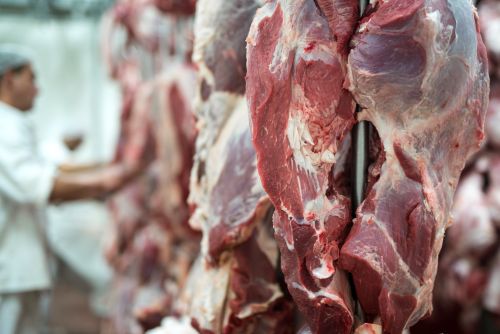
DG SANTE is intensifying slaughterhouse inspections in 2024–2025, with a strong focus on the enforcement of EU food safety regulations and the effectiveness of HACCP systems. Recent Commission reports show that the main non-conformities identified across Member States relate to temperature control, monitoring of microbiological risk stages, management of specified risk materials, and validation of cleaning and disinfection procedures. Approximately 30% of all deficiencies are linked to the lack of automated monitoring of critical parameters, highlighting the vulnerability of process flows that depend heavily on manual operation.
Eurostat confirms that European slaughterhouses operate under high pressure, facing rising costs for labour, utilities and infrastructure maintenance. In this context, DG SANTE places particular emphasis on full digitalisation of temperature control and real-time traceability. Units equipped with integrated systems using temperature and humidity sensors record significantly lower non-compliance rates, reducing the risk of exceeding microbiological thresholds by 20–35% compared with facilities where monitoring remains largely manual.
Traceability is becoming one of the defining compliance criteria in 2025. The Commission notes that a significant share of audit findings stem from documentation gaps within batch records, especially in areas with rapid product transfer. EU regulations require each stage — reception, cutting, packaging and dispatch — to be documented without delays in order to allow swift intervention in case of risk.
Another critical element of inspections is the validation of hygiene procedures. DG SANTE highlights that, in many units, declared procedures are not supported by verification data, surface tests or periodic analyses. In 2025, the Commission recommends the adoption of cleaning technologies with reduced water and energy consumption, alongside automated systems for verifying cleaning efficiency.
For the Romanian meat industry, the new standards translate into mandatory investments in digital infrastructure, modern equipment and validated procedures. Slaughterhouses that fail to adopt these solutions risk delays in certification, commercial restrictions and a loss of competitiveness on the European market.
(Photo: Freepik)
Did you learn something new from this article?
Read also: