837

Author
Meat.Milk
Share on


Published on
2026 February 13
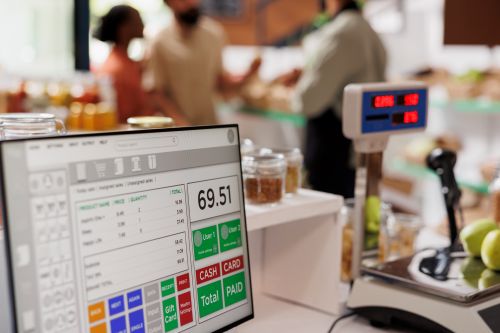
The Government is preparing to introduce an automatic mechanism to limit commercial markups on food products, activated according to the evolution of inflation in the agri-food sector. The initiative comes as the current scheme for capping commercial margins, applied to certain staple products since 2023, is set to expire on March 31, 2026.
The proposal, publicly announced by the Minister of Agriculture, Florin Barbu, предусматриes the inclusion in legislation of an inflation threshold—estimated at around 5%—above which the capping of commercial markups would be automatically triggered for food products. The mechanism would function symmetrically: if food inflation falls below the established level, the measure would be suspended without requiring a new, case-by-case administrative intervention.
Official data show that the dynamics of food prices have been one of the main sources of pressure on overall inflation over the past two years. According to the National Institute of Statistics (INS), in 2024 and 2025 food prices recorded increases above the average of the general consumer price index. At the European level, Eurostat data indicate that Romania has experienced high annual rates of food price growth compared with the EU average. This evolution has directly affected households’ purchasing power, given the significant share of food expenditures in the consumption basket.
The current scheme for capping commercial markups aimed to limit the margins applied by processors, distributors, and retailers for a list of products considered essential. According to evaluations previously communicated by the authorities, the measure helped temper price increases in certain categories, although its prolonged application has generated debates regarding its impact on competition and the functioning of the supply chain.
The newly proposed formula seeks to transform ad hoc intervention into a predictable instrument directly linked to an official statistical indicator—the food inflation rate published by INS. From a macroeconomic perspective, the National Bank of Romania has signaled in its recent reports that food inflation remains volatile, influenced by factors such as energy prices, agricultural input costs, and developments in international markets.
The project is to be submitted for debate in the Government and Parliament, and details regarding the product categories targeted, the exact activation threshold, and the duration of the measure will be established in the final form of the legislative act. In a context where food represents an essential component of household consumption, the introduction of an automatic capping mechanism will have direct implications for consumers, processors, and retailers alike.
(Photo: Freepik)
Did you learn something new from this article?
Read also: