1028

Author
Meat.Milk
Share on


Published on
2026 February 06

In 2026, the price of meat no longer directly reflects production costs, as was the case in previous economic cycles. Although inputs remain at high levels, the ability to pass costs on to consumers is limited by market structure and demand behavior.
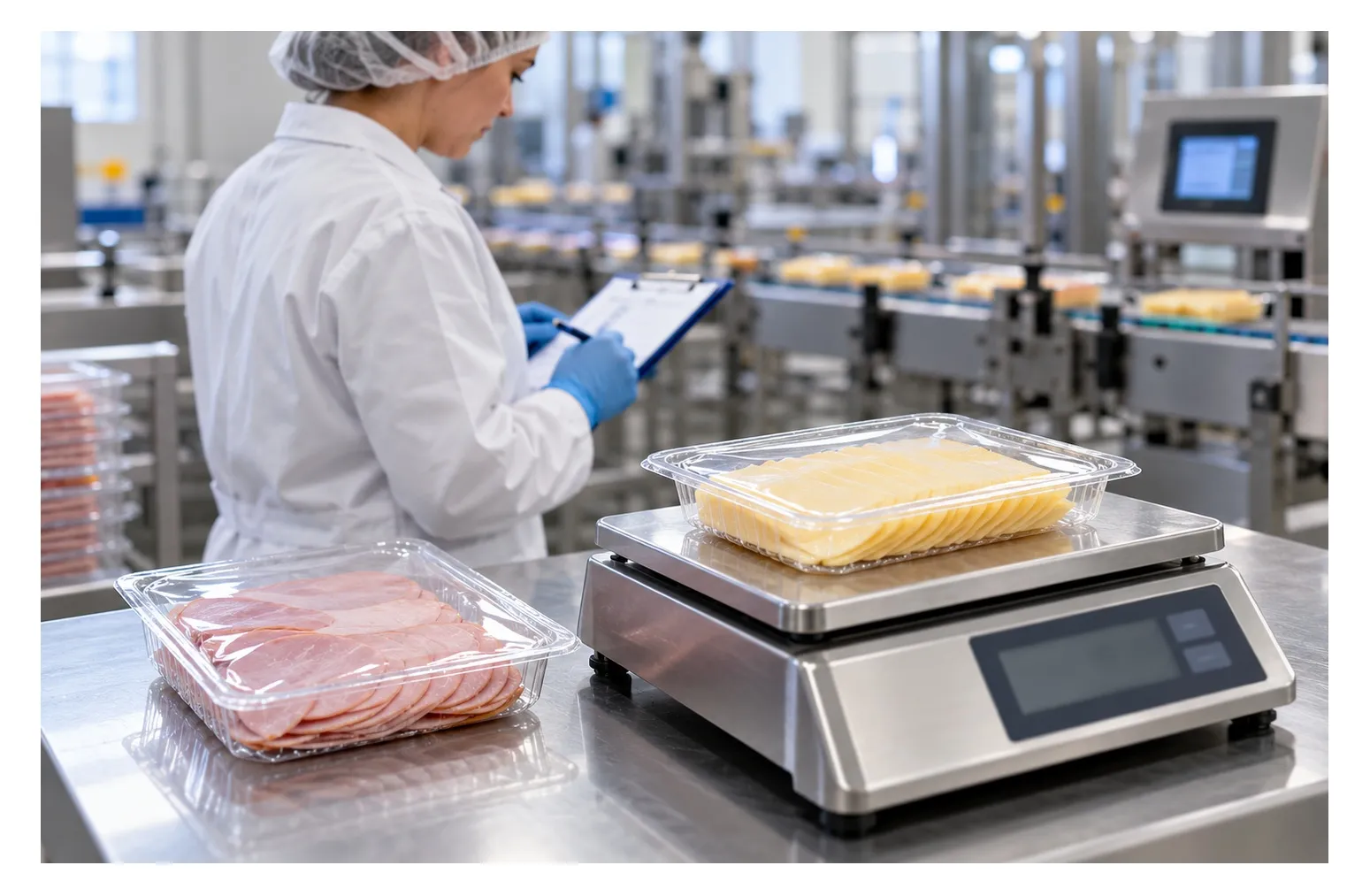
The mechanism is both economic and commercial. Costs for feed, energy, labor, and regulatory compliance remain structurally high, yet consumption is cautious, and retail exerts constant pressure on prices. In this context, processors are absorbing an increasing share of cost increases, which compresses margins even in the absence of major market shocks.
Eurostat data indicate a partial decoupling between the evolution of production costs and consumer prices in several European Union member states. According to FAO, this trend is specific to mature markets, where demand elasticity limits the possibility of price increases. For Romania in 2026, the gap between cost and price is becoming a structural issue, not a cyclical one.
The implication is clear: competitiveness in the meat sector increasingly depends on internal efficiency, cost control, and the ability to adapt to commercial pressure, rather than on simple price adjustments.
(Photo: Freepik)
Did you learn something new from this article?
Read also: