965

Author
Meat.Milk
Share on


Published on
2025 December 17

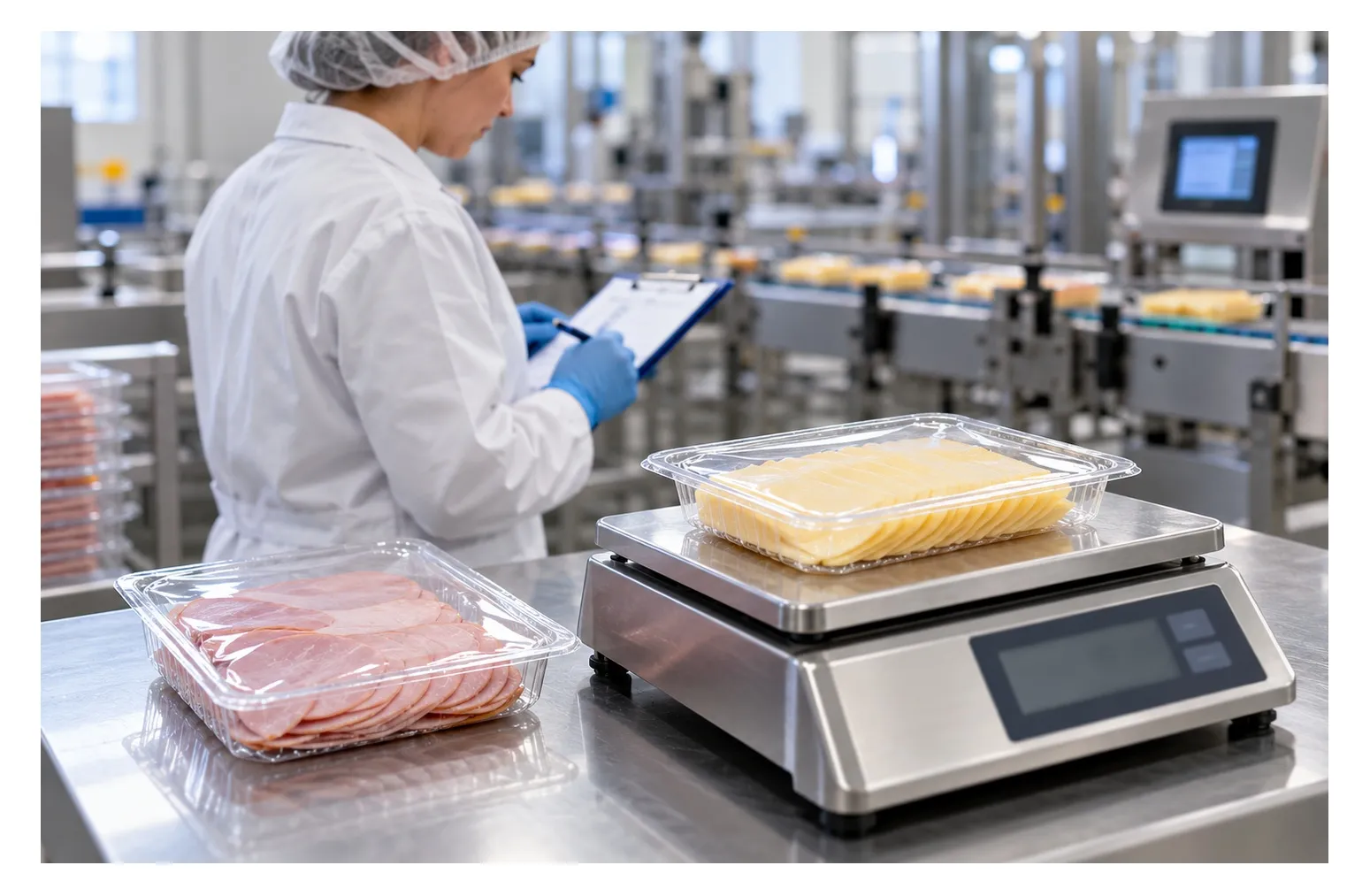
In 2025, EFSA is updating its recommendations on contamination control in cutting lines, in a context where cutting remains one of the stages with the highest risk of microbiological transfer in the meat industry. According to EFSA assessments, contamination can occur through direct contact with work surfaces, improper handling, or temperature fluctuations in critical areas of the technological flow. DG SANTE confirms, in its audit reports, that these risk points are responsible for the majority of non-compliances identified in processing facilities.
A central element of the new recommendations is the standardization of cutting segments and the physical separation of clean and dirty flows. EFSA emphasizes that clear zoning, combined with a unidirectional logic of product movement, significantly reduces the probability of cross-contamination. At the same time, DG SANTE highlights the need to use temperature sensors integrated into cutting tables and intermediate storage areas, to ensure constant maintenance of the 0–4°C range.
The 2025 recommendations also include the modernization of cutting equipment. Automated blades with self-cleaning and rapid disinfection systems reduce exposure time and operational variability. EFSA shows that facilities which have implemented such systems display lower levels of microbiological load on work surfaces compared to units where manual operations predominate.
Sanitation procedures are also being revised. Short, repeated protocols are recommended, depending on the intensity of the flow, not only at the end of shifts. DG SANTE notes in its reports that the lack of intermediate checks is associated with an increase in microbiological non-compliances. Facilities are encouraged to adopt automated hygiene verification systems, such as bioluminescence tests, to monitor cleaning efficiency in real time.
Traceability of cutting operations remains a critical criterion. EFSA recommends that each batch be digitally recorded upon entry to the cutting line and at exit from each stage, in order to facilitate rapid investigations should risks arise.
For the Romanian meat industry, adopting these recommendations becomes essential in the context of intensified European controls. The implementation of modern technologies and standardized procedures allows for risk reduction, increased product safety, and the strengthening of commercial trust on both domestic and external markets.
(Photo: Freepik)
Did you learn something new from this article?
Read also: