3151

Author
Meat.Milk
Share on


Published on
2026 January 27
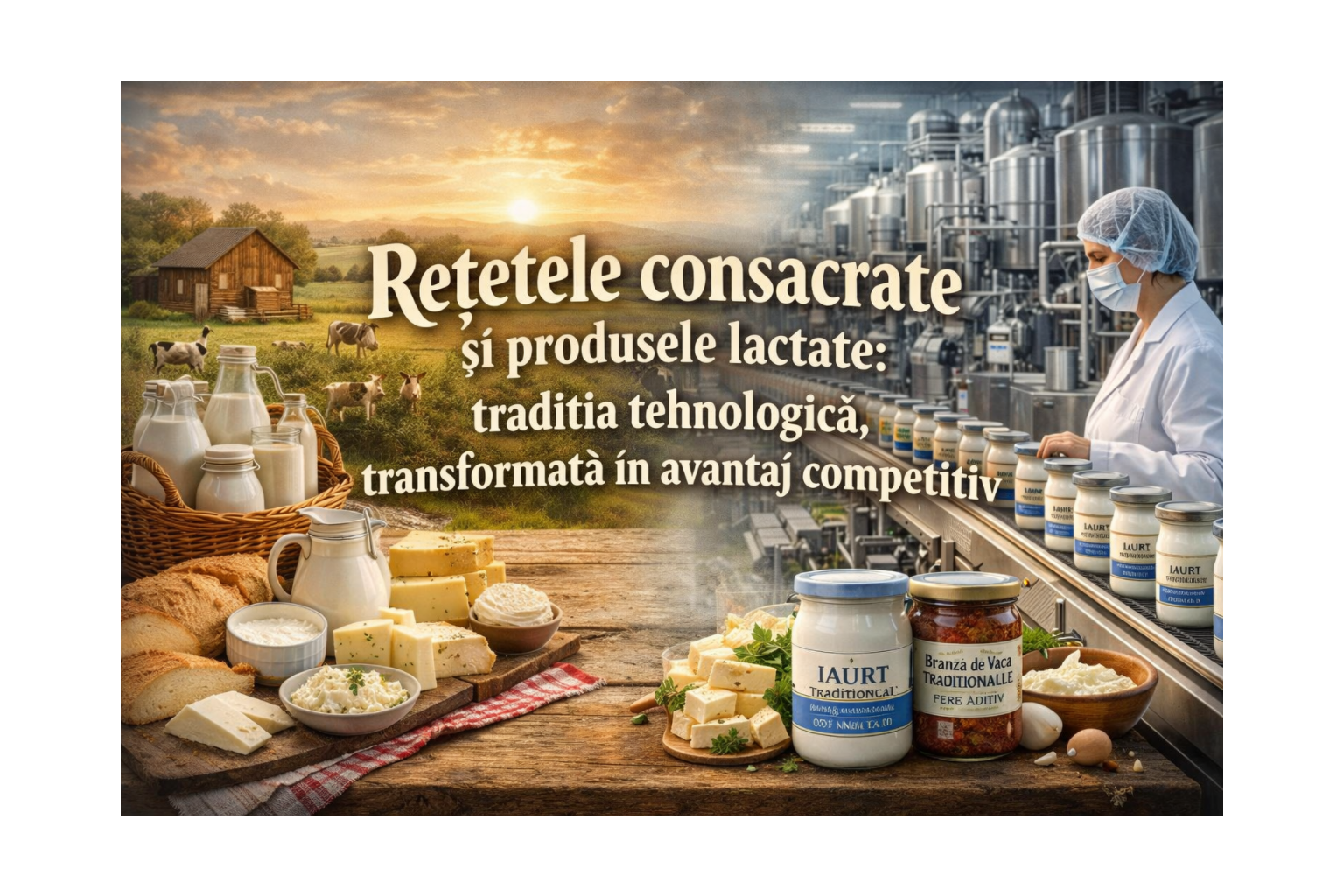
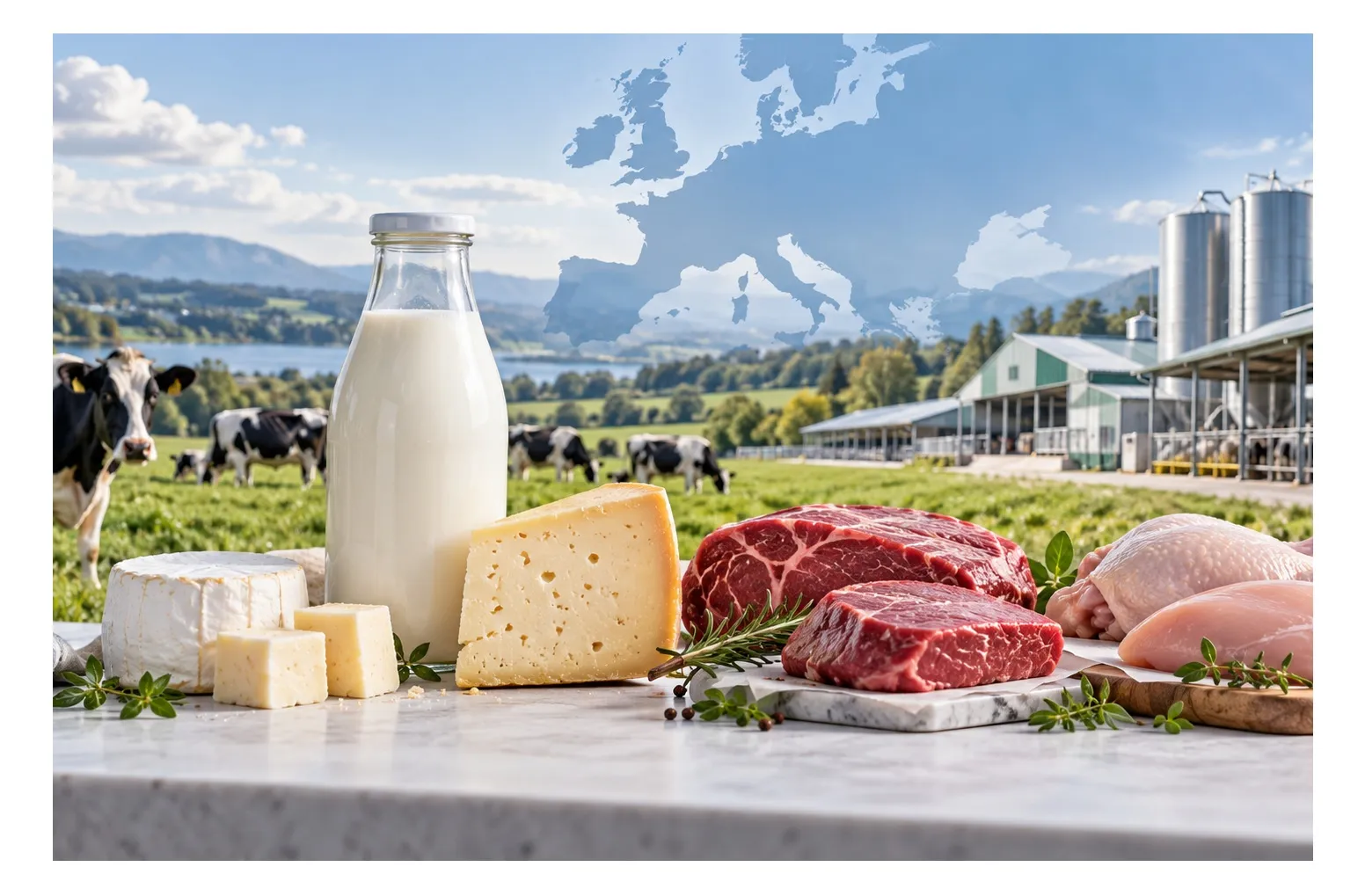
The dairy sector is among the areas with the highest potential for leveraging the system of traditional recipes introduced through MADR Order No. 151/1,460/213/2021. Cheese, butter, sour cream, and fermented dairy products were manufactured industrially in Romania well before 1975, based on standardised technologies that can now be officially recognised and legally protected.
Through the traditional recipe mechanism, these historical technologies no longer remain mere references in factory archives, but can become official production standards, registered in the National Register of Traditional Recipes and used by processors to certify final products. In practical terms, a traditional-industrial formula for Kashkaval cheese, Telemea, processed cheese, or yoghurt can be documented, validated, and subsequently applied in a transparent and controlled manner.
For the dairy industry, the key advantage lies in the ability to communicate authenticity without departing from the logic of modern industrial production. Products certified in accordance with traditional recipes are neither artisanal nor commercial reinterpretations, but the result of established technological processes, with clearly defined composition, verified manufacturing parameters, and permanently monitored compliance.
In a market where consumers are increasingly attentive to origin, recipe integrity, and quality consistency, this official recognition can support the premium segmentation of dairy product ranges. Cheeses matured according to historical technologies, fermented products made using traditional recipes, or butter produced through traditional-industrial methods can gain additional credibility and shelf visibility.
From an economic standpoint, the certification of dairy products under traditional recipes can support investments in processing capacity modernisation, strengthen the position of Romanian brands, and provide solid arguments for accessing public funding dedicated to quality and value added.
Moreover, the system creates a natural barrier against imitations that use traditional names without respecting the original composition.
Traditional recipes can thus become one of the most effective bridges between the technological heritage of the dairy industry and current market requirements.
In the coming years, the way processors integrate this instrument into their portfolio strategies could directly influence the competitiveness of Romanian dairy products on both the domestic and regional markets.
(Photo: AI-generated)
Did you learn something new from this article?
Read also: