1022

Author
Meat.Milk
Share on


Published on
2025 November 27
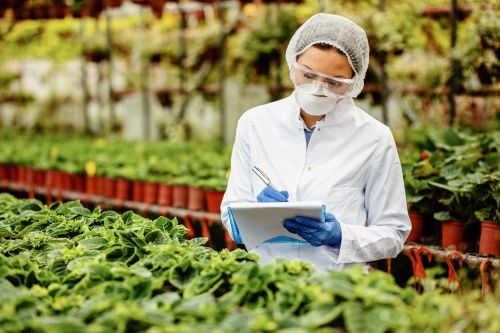
Food security remains a strategic objective for the European Union, and recent analyses from the European Commission and the OECD show that the resilience of the agri-food chain depends on infrastructure, digitalisation, and effective risk management. The European Commission highlights in its assessments for 2025–2030 that the stability of supply is influenced by the functioning of internal markets, the quality of agricultural production, and the ability of Member States to respond quickly to climatic or geopolitical disruptions.
A significant part of the sector’s vulnerabilities stems from production volatility and pressure on raw materials. The European Food Security Package recommends strengthening agricultural insurance systems, expanding intervention funds, and supporting farm modernisation in order to reduce exposure to fluctuations. The OECD notes that countries using integrated information systems—linking data on production, prices, and stocks—respond more efficiently to imbalances that appear in supply chains.
European market observatories provide real-time data on developments in the meat, dairy, cereals, and horticulture sectors. This information allows policymakers to identify deviations before they impact market stability. At the same time, the European Commission and EFSA emphasise the need to reinforce food safety controls through investments in laboratories, digital traceability systems, and operator training within the industry.
For producers and processors, European public policies create the necessary framework for predictable investment. For consumers, they guarantee access to safe, traceable products that comply with quality standards. In 2025, the resilience of the European food system depends on the coherence of adopted policies and on the ability of operators to integrate new safety and traceability requirements into their operational routine.
(Photo: Freepik)
Did you learn something new from this article?
Read also: