689

Author
Meat.Milk
Share on


Published on
2026 May 11
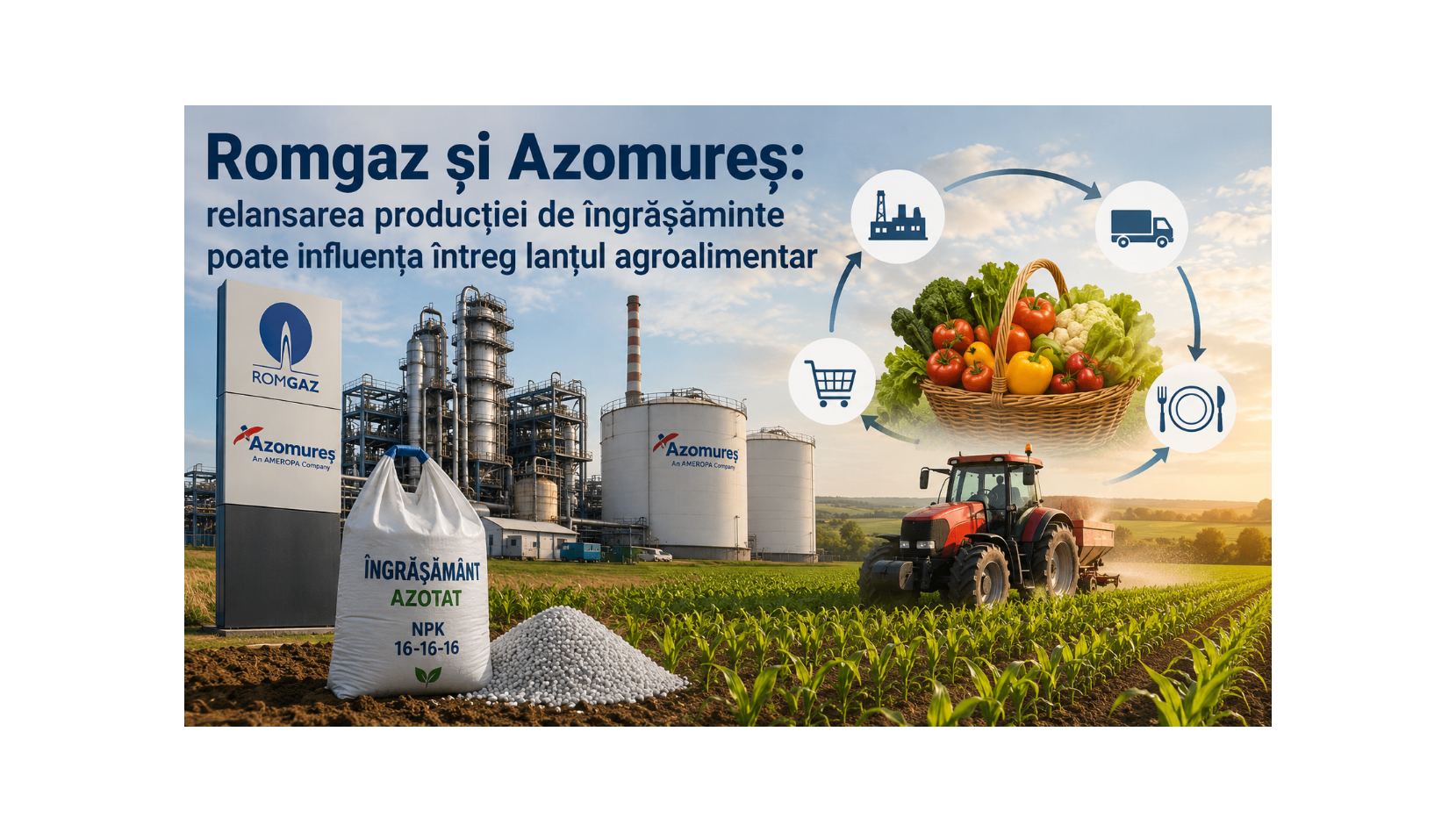
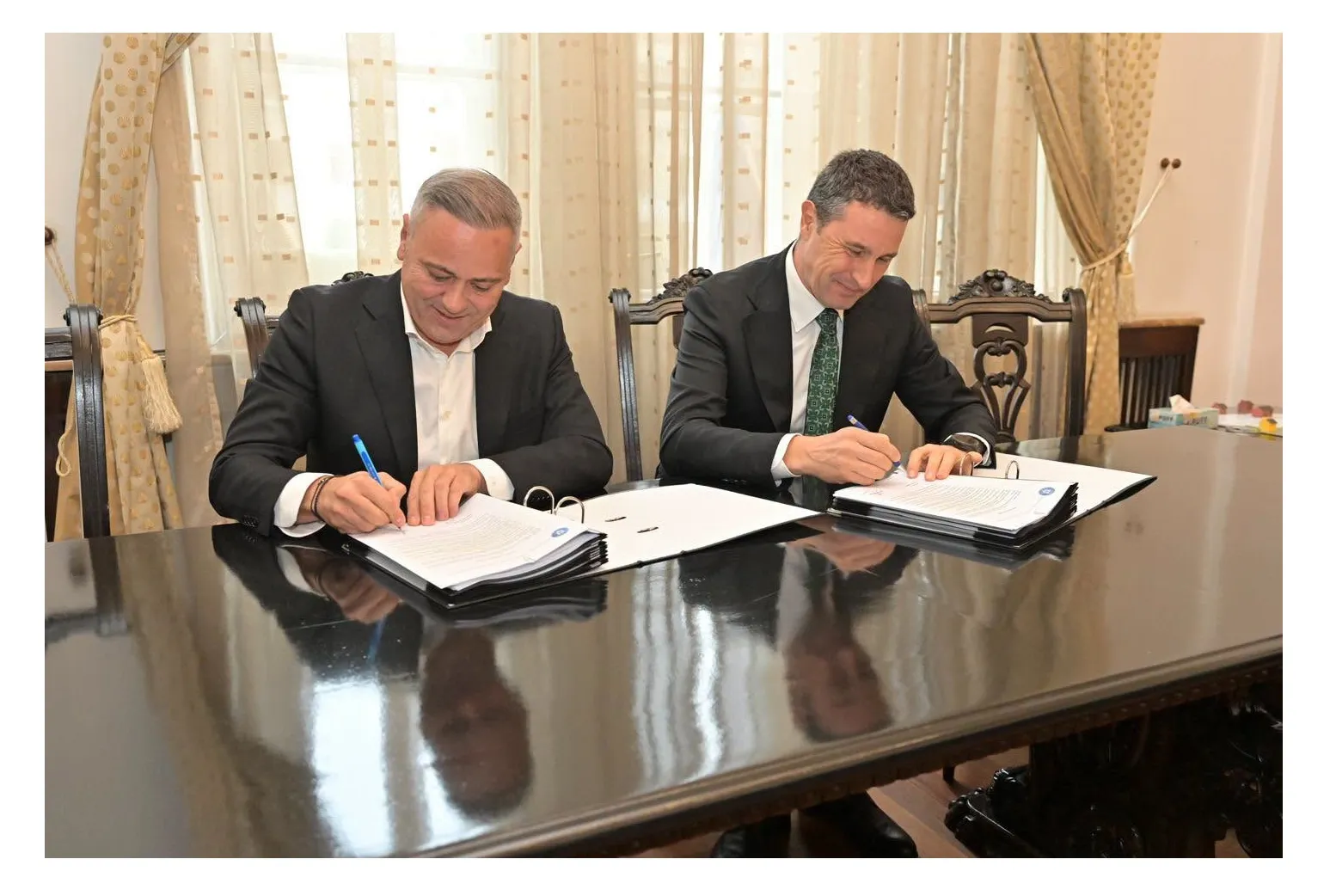
The announcement regarding the agreement in principle between Romgaz and Azomureș for the takeover of the operational activity of the Târgu Mureș plant brings back into focus one of the structural vulnerabilities of Romania’s agriculture and food industry: dependence on fertilizer imports and the impact of energy costs on agricultural production.
Azomureș represents the largest fertilizer production capacity in Romania and one of the biggest industrial consumers of natural gas. The reduction of the plant’s activity in recent years, amid rising gas prices and external competition, has had direct effects on the agricultural market, particularly through increased production costs for farmers and a greater reliance on imports.
According to publicly communicated information from representatives of the Ministry of Energy and Romgaz, the objective of the takeover is to use Romanian natural gas for the domestic production of fertilizers, especially in the context of upcoming offshore developments in the Black Sea. The strategy aims to integrate a larger share of the energy resource into the local economy, with an impact on agriculture, the chemical industry, and the food supply chain.
The connection to the food industry is direct. The cost of fertilizers influences expenditure levels in crop farms, which are subsequently reflected in the cost of raw materials used in the production of meat, dairy, bakery, and processed products. In recent years, the volatility of the fertilizer market has affected both farmers’ competitiveness and the predictability of prices in the food industry.
Eurostat data show that Romania continues to import significant volumes of chemical fertilizers, while many agri-food processors report constant pressure on agricultural raw material costs. In this context, maintaining a domestic production capacity can play a strategic role in stabilizing part of the agri-food supply chain.
In the medium term, the project could also have implications for the agri-food trade balance, given that Romania exports significant quantities of cereals but imports processed products and agricultural inputs with high added value. The relaunch of domestic fertilizer production is viewed by part of the industry as an element of economic and food security, in a European context marked by energy volatility and geopolitical pressures.
(Photo: AI GENERATED)
Did you learn something new from this article?
Read also: