1691

Author
Meat.Milk
Share on


Published on
2025 November 04
Chiorean Remus Ioan, Bota Adrian, Moldovan Mădălina Ioana
Research and Development Station for Buffalo Breeding – Șercaia
We initiated this endeavor in order to raise interest among consumers of beef as well as among nutrition specialists. The following data provide an overview of the scientific information available in the current sources of documentation.
When discussing the consumption of a food product, we must take into account its importance in ensuring a balanced human diet, its production capacity, consumer preferences for that food, and, last but not least, retail prices. Considering the current challenges related to food supply for the global population and consumers’ access to healthy food, the periodic analysis of these indicators is necessary in order to develop policies and strategies at global, regional, and/or national levels. The purpose of this paper is to analyze the biochemical differences between beef and buffalo meat. We initiated this process out of the desire to highlight the beneficial qualities of consuming buffalo meat or products derived from it.
The buffalo has been raised on the territory of our country since around the 1200s, having been introduced into the Balkan area during the Tatar invasions. After becoming acclimatized, they entered household farming, being raised for milk, meat, and draft power. These animals have been appreciated since ancient times for their easy maintenance and for the products they provide—high-quality milk suitable both for fresh consumption and for producing high-quality cheeses. As for meat consumption, it has always been present among breeders. In the Țara Făgărașului region, there is an old saying, repeated with deep respect for these animals by all who have raised them: “A buffalo cow sustains the household.” This highlights the fact that an easily maintained animal can provide the quantity of milk and meat necessary for a family’s needs.
Today, the buffalo has fallen into obscurity due to several factors. Among these are: the aging of the rural population, the lack of timely decisions by the competent authorities responsible for the fate of Romanian animal husbandry, rural depopulation, and the low price per liter of milk offered by processors.
Beef consumption in Romania remains below the European average. Regarding buffalo meat consumption, no data could be found on the INS (National Institute of Statistics) website.
Beef production in the EU during the period January–April 2025 decreased by 2.9% compared to the same period in 2024. For example, France recorded a decline of –4%, and Germany a decline of –6.5%. The most defining feature of the current EU beef market is the ongoing shortage of supply, which is a key factor in maintaining high prices. This reduction is attributed to various factors, including disease outbreaks, profitability challenges, and the structural decline of cattle herds.
Given climate change, the decreasing level and frequency of rainfall, and the resulting struggle to produce feed—now a true battle for the survival of cattle breeders—a viable and efficient alternative is represented by the buffalo, as it is well known that these animals are not demanding in terms of feed quality.
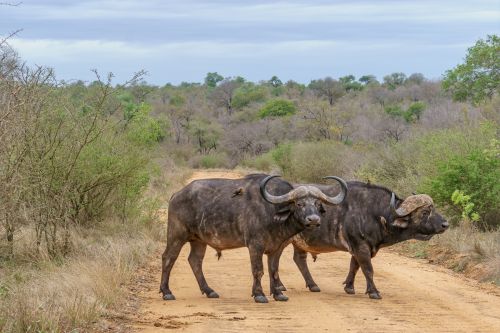
Water buffalo meat has been consumed for centuries in the Balkans and Asia, but only recently has it become available for consumption in the United States. Buffalo meat is more flavorful than beef, and it is comparable to beef in appearance and texture. However, as a nutritional source, meat obtained from buffalo presents significant advantages over beef.
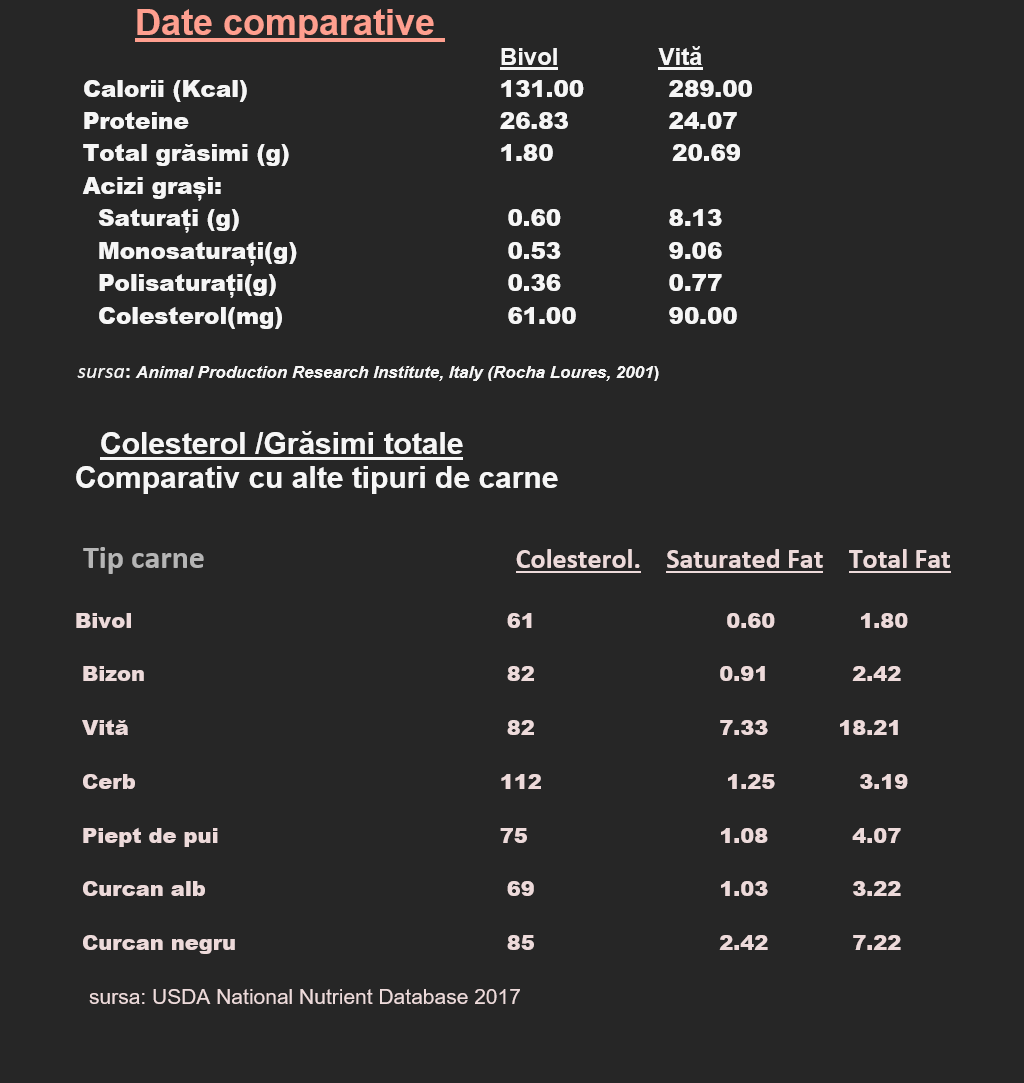
Buffalo meat has a lower content of total fat and cholesterol, with a smaller proportion of unhealthy saturated fats. Omega-3 fatty acids—proven to be beneficial in reducing heart disease—are present in higher concentrations. Buffalo meat is also richer in protein compared to beef. In fact, the fat content of buffalo meat is lower even than that of chicken breast. The favorable protein-to-fat ratio results in meat with fewer calories and a higher content of vitamins and minerals. A healthier red meat.
(Photo: Freepik)
Did you learn something new from this article?
Read also: