915

Author
Meat.Milk
Share on


Published on
2025 December 18
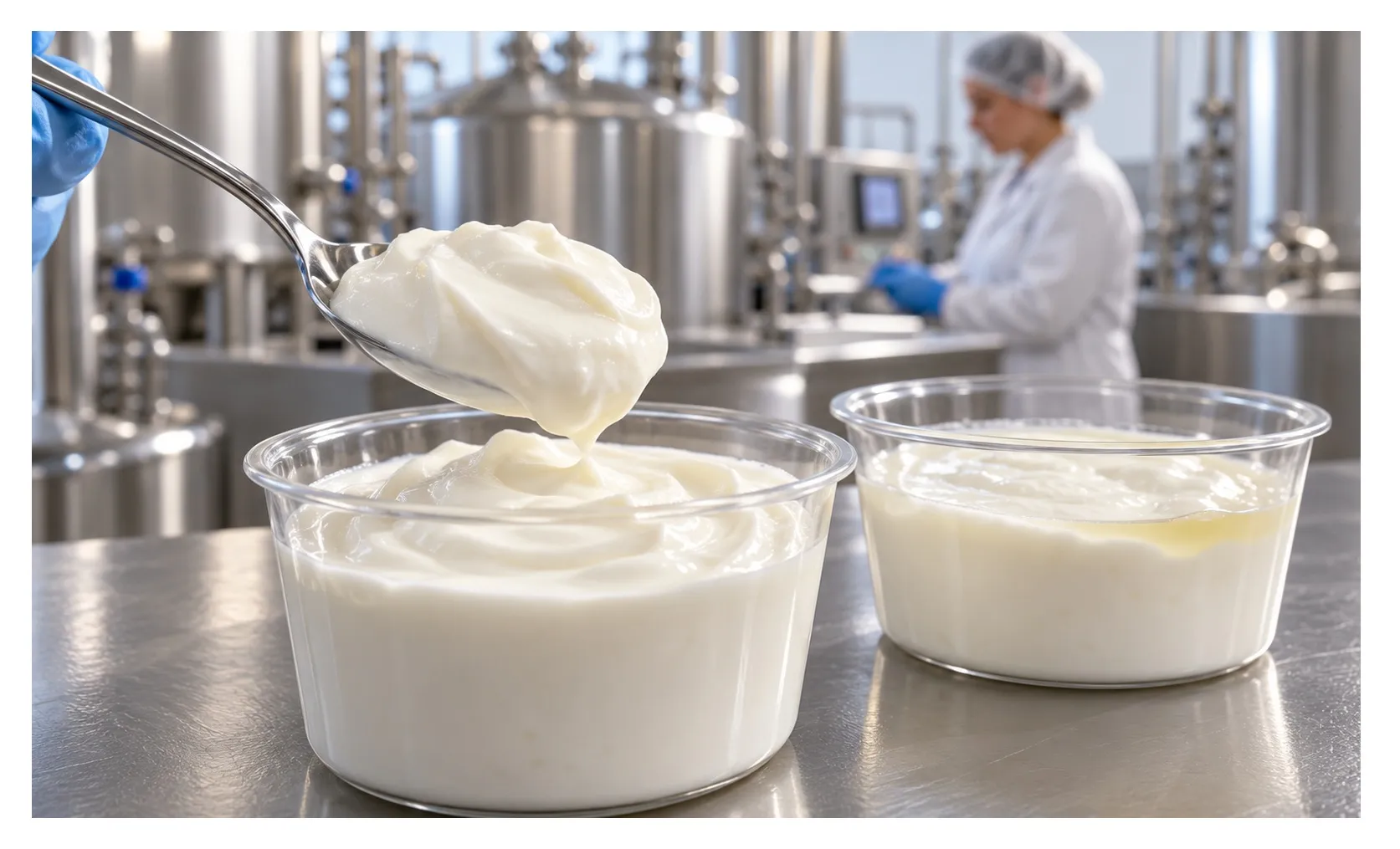
Dairy products with a short shelf life—such as yogurts, pasteurized milk, dairy creams, or fermented beverages—enter 2025 under the scope of technical clarifications regarding microbiological criteria and requirements for the raw materials used. In recent assessments, EFSA emphasizes that the risks associated with these products depend directly on the quality of raw milk and compliance with pasteurization parameters. As the cold chain is shorter and rotation times are reduced, standardization becomes essential for maintaining food safety.
The European Commission, within the framework of the “Hygiene Package,” reaffirms the industry’s obligations regarding the control of the bacterial load of raw milk, particularly mesophilic germs and somatic cell counts. In 2025, the focus shifts to the consistency of reception procedures: processing plants must demonstrate that quality parameters are monitored for every batch and that deviations are managed before the raw material enters the production flow. The Milk Market Observatory indicates a slight increase in seasonal variability in milk composition, which requires processors to adjust thermal treatment times and temperatures.
Pasteurization becomes a critical point in the new European guidelines. EFSA highlights the need for automated monitoring of parameters to prevent deviations that could affect the stability of products with reduced shelf life. Facilities are encouraged to use continuous recording systems capable of generating alerts in the event of variations and to maintain electronic records for audit purposes.
Finished products are subject to strengthened microbiological criteria, including the absence of relevant pathogens and control of lactic acid bacteria levels. The Commission also calls for increased attention to the sanitation of equipment used in filling and packaging, as these stages have been identified as frequent sources of non-compliance during audits.
For the Romanian dairy industry, these adjustments imply investments in digital monitoring, updates to quality procedures, and stronger relationships with supplying farms. Short-shelf-life products are sensitive to any deviation, and strict compliance with the new standards becomes an essential factor for safety, competitiveness, and consumer trust.
(Photo: Freepik)
Did you learn something new from this article?
Read also: