1329

Author
Meat.Milk
Share on


Published on
2026 January 12

The meat industry in the European Union enters 2026 under pressure from a combination of economic and legislative factors that directly affect cost structures and margin levels. Beyond market developments, the competitiveness of processors is increasingly determined by their ability to control costs per processed unit.
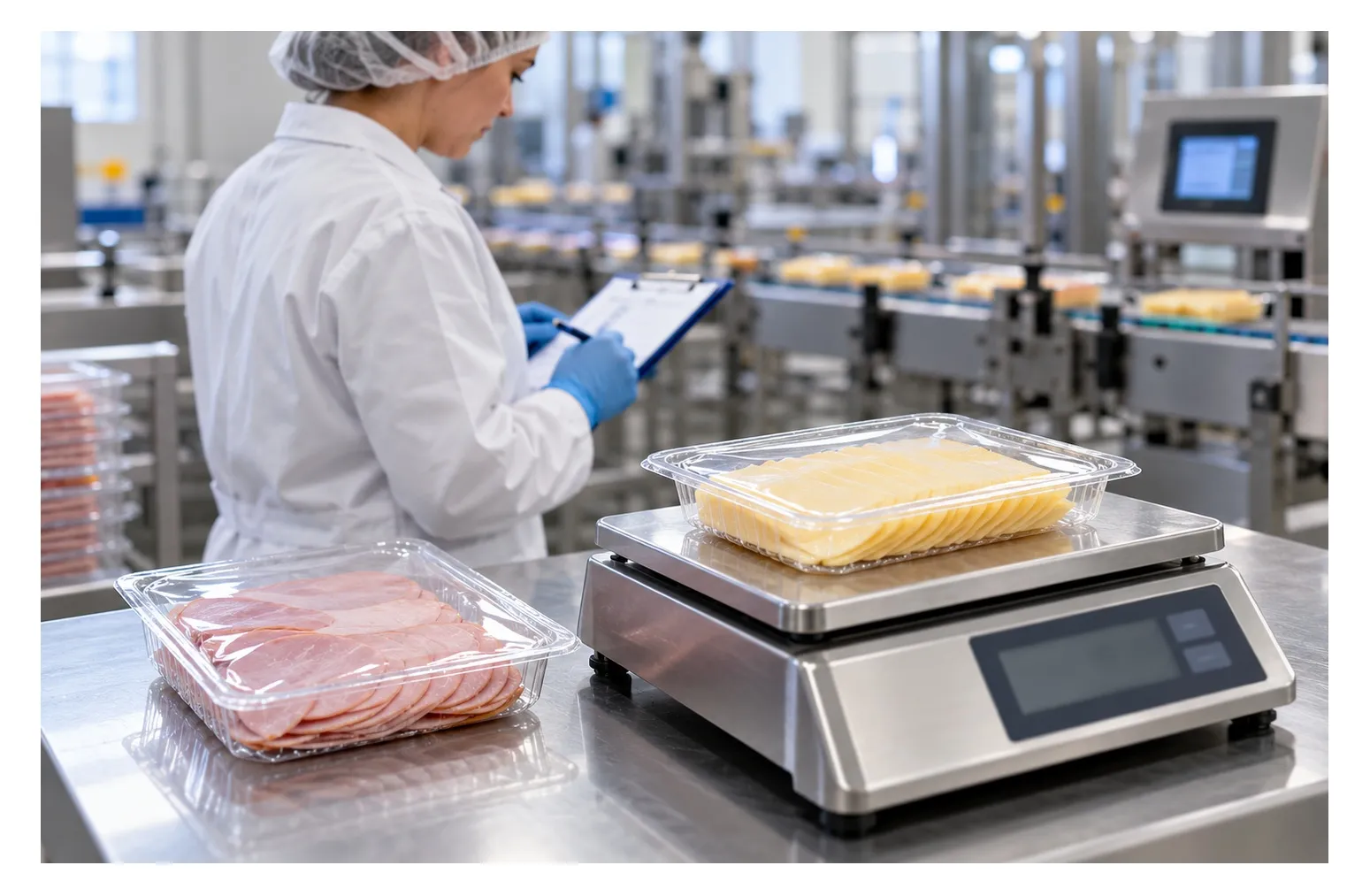
Data published by Eurostat for the 2024–2025 period indicate rising energy and labor costs, alongside relatively stable dynamics in agri-food product prices at factory gate level. In this context, differences in operational efficiency between processing plants become decisive. Facilities with fragmented technological flows bear higher costs per processed tonne, particularly in refrigeration, handling, and packaging stages.
A key element is the relationship with raw material supply. European Commission data show significant variations in the availability of animals for slaughter across Member States, which is reflected in the volatility of purchase prices. In the absence of stable supply contracts, processors are exposed to additional costs that affect production planning and the fulfillment of commercial commitments.
On the legislative side, sanitary-veterinary, traceability, and environmental requirements generate high fixed costs. These costs cannot be eliminated, only optimized through scale and efficiency. Processors that succeed in spreading these costs over larger volumes have a greater capacity to absorb economic shocks.
For 2026, the key indicator becomes total cost per processed unit. Controlling technological losses, optimizing energy consumption, and ensuring predictable sourcing will make the difference between stability and the loss of competitiveness in an increasingly regulated sector.
(Photo: Freepik)
Did you learn something new from this article?
Read also: