830

Author
Meat.Milk
Share on


Published on
2026 May 11
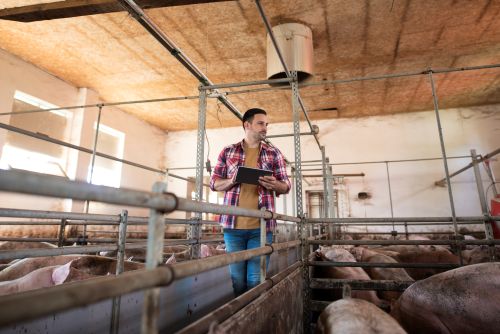
Deputy Prime Minister and acting Minister of Agriculture and Rural Development, Tánczos Barna, met in Oradea with representatives of ANSVSA and major pig farmers from western Romania, as part of a series of consultations dedicated to the structural challenges facing the Romanian pig sector.
According to information published by the Ministry of Agriculture and Rural Development, the discussions focused on identifying solutions regarding the impact of African swine fever, supporting domestic production, and improving the relationship between farmers, processors, and authorities.
During the meeting, Tánczos Barna stated that authorities must reassess the effectiveness of the measures implemented so far to combat African swine fever before adopting new regulations. The official emphasized the need to support the consumption of fresh pork produced in Romania and to strengthen the supply capacity from domestic farms to processors and retail.
Among the directions analyzed are supporting local producers to increase the quantities of Romanian pork available on the market, strengthening measures for the prevention and control of African swine fever, as well as supporting pig farming in households, in compliance with sanitary-veterinary regulations.
The discussions also addressed the modernization of large farms through the use of modern technologies and compliance with environmental standards. At the same time, authorities are considering the possibility of developing trade agreements with the Republic of Moldova and Ukraine in order to expand market opportunities for Romanian producers.
The acting Minister of Agriculture also stated that the legislation regarding compensation granted to farmers affected by sanitary restrictions will be reviewed, so that compensation mechanisms can be applied in a manner considered fair by the sector.
According to data from the European Commission and ANSVSA, African swine fever continues to represent one of the main vulnerabilities of Romania’s pig sector, affecting both domestic production and trade in live animals and pork products. In this context, consultations between authorities and industry are considered essential for defining measures with economic and sanitary-veterinary applicability in the medium term.
(Photo: Magnific)
Did you learn something new from this article?
Read also: