1201

Author
Meat.Milk
Share on


Published on
2025 November 07
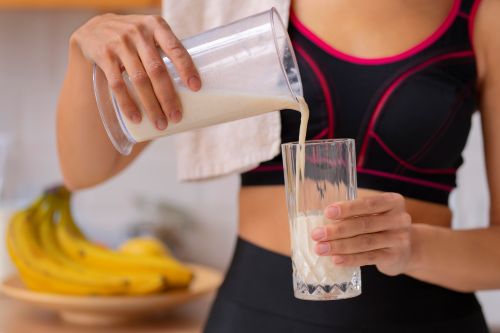
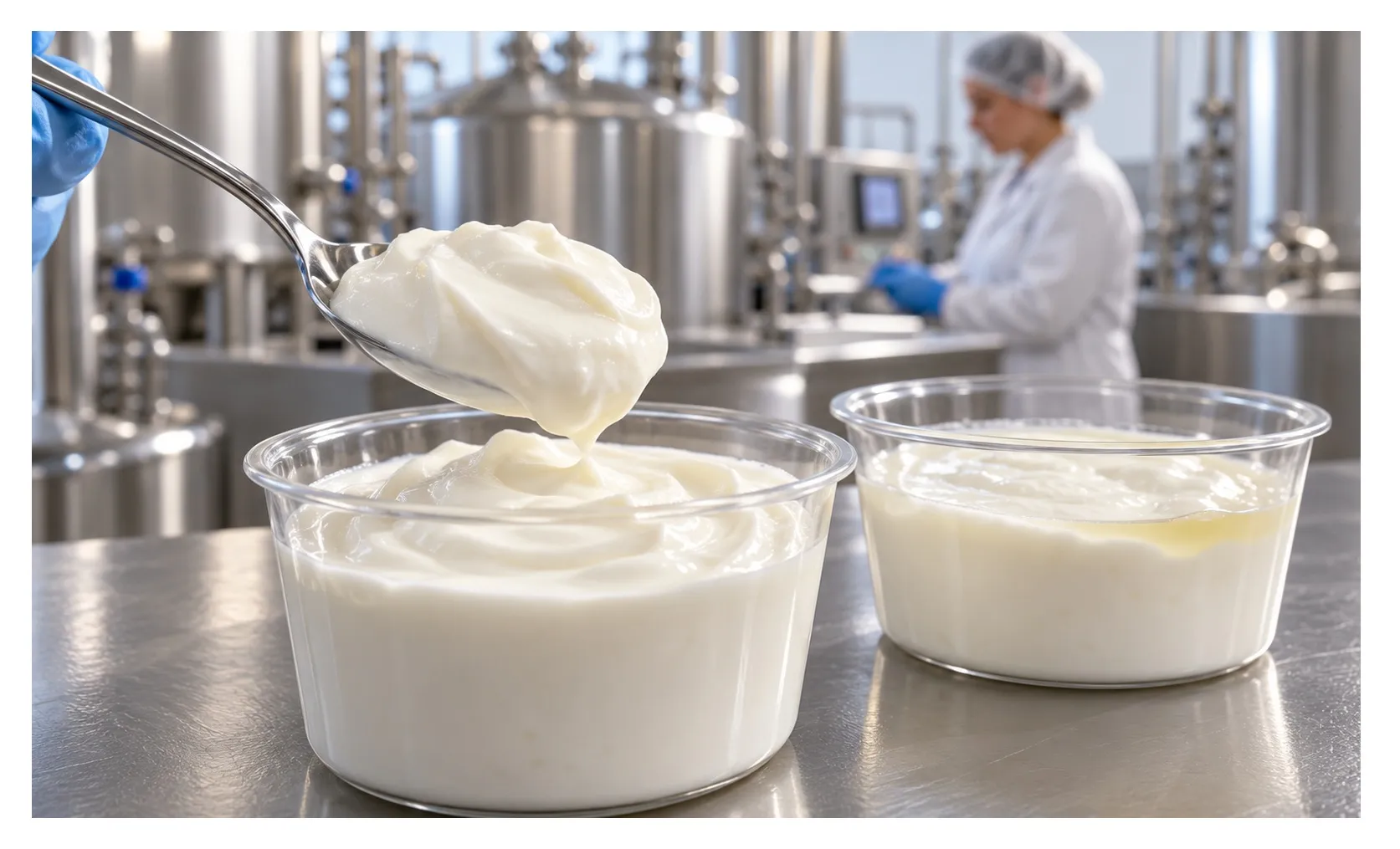
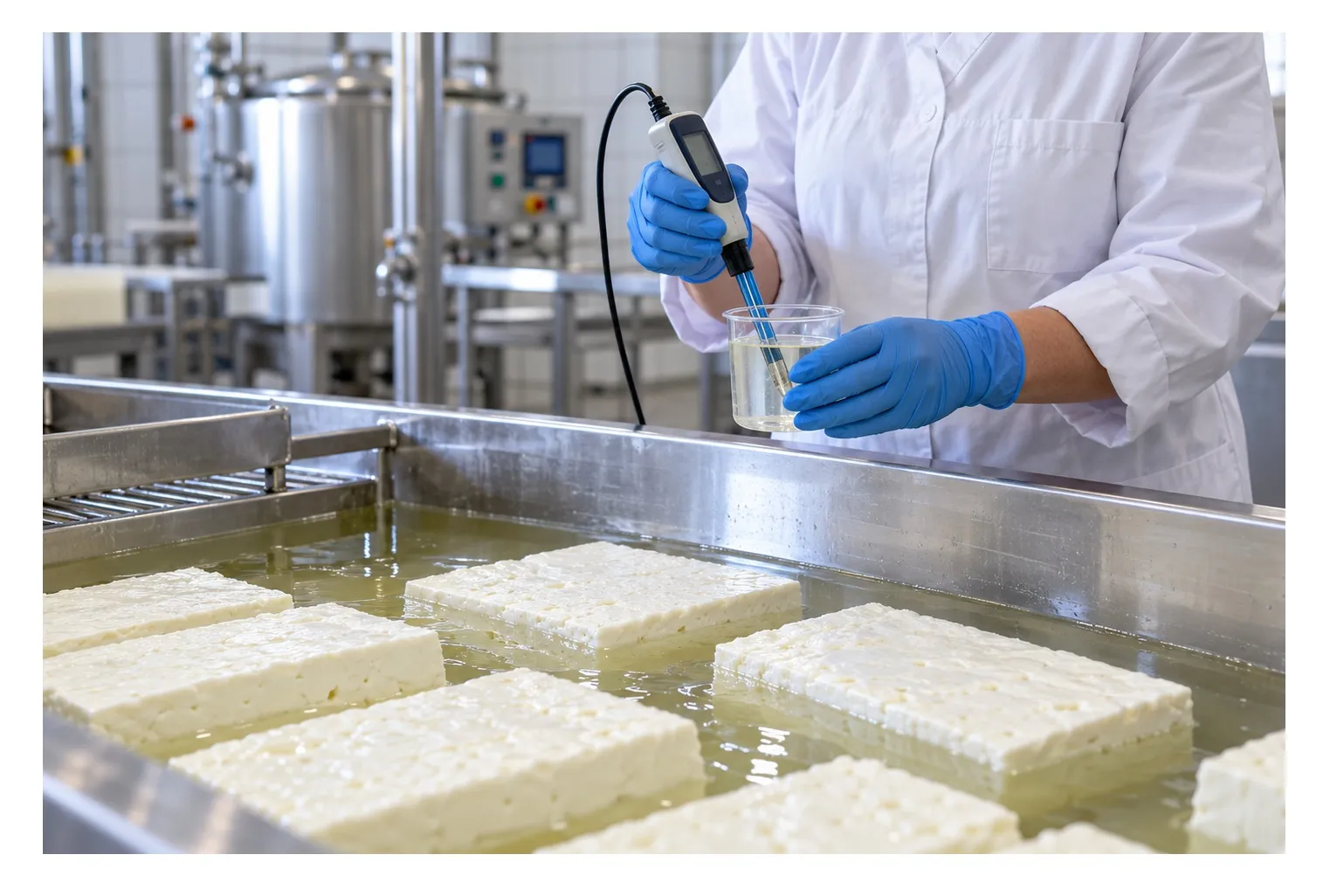
Whey, long considered a by-product of milk processing, is today becoming one of the most valuable resources in the modern food industry. Through advances in biotechnology and membrane separation processes, companies are transforming this by-product into an ingredient with extensive applications — from sports and pharmaceutical nutrition to cosmetics and natural fertilizers.
According to the International Dairy Federation (IDF, 2024), more than 180 million tons of whey are generated annually worldwide, yet less than 50% are fully utilized. Countries that have developed specialized processing infrastructure, such as Germany and the Netherlands, manage to obtain an additional income of 10–15% from whey compared to the total processed milk output.
The FAO notes that whey proteins have a high biological value and can be used in infant formulas, functional beverages, and protein supplements. The global market for whey protein–based products is estimated at over €11 billion and is growing annually by 8–10%.
In Romania, according to the Ministry of Agriculture and Rural Development (MADR), only 25% of the whey resulting from processing units is reused, while the rest is treated as waste — despite its valuable nutritional content and high economic potential. The National Strategic Plan 2023–2027 includes funding for the modernization of filtration equipment and continuous-flow dryers, essential for converting whey into protein powders.
The European Commission, through the Circular Food Systems 2030 initiative, encourages Member States to reduce food waste and transform dairy by-products into alternative sources of income.
Eurostat data (2025) confirm a 22% increase in European exports of whey protein concentrates, particularly to Asian markets.
For Romania, the valorization of whey is not just a matter of technology but of industrial strategy. Transforming this secondary product into an export ingredient could redefine the competitiveness of the dairy sector and position local processors as key players within the European food chain.
(Photo: Freepik)
Did you learn something new from this article?
Read also: